Sunday, 02 December 2018 11:04

Radio 88 Dimtsi Harnnet 01.12. 2018

Written by


An important report by investigators from the Conflict Armament Research group shows just how the outside world has armed both sides in the civil war.

Major arms exporters – China, Israel, USA and the EU stand accused – while neighbouring states, including Uganda are implicated. The operation relies on the activities of what the researchers call “a wider international circle of European, Israeli, and US individuals and companies.”

Read the full report here: Weapons supplies S Sudan

There is no firm evidence, but the signs are that Somalia may be about to invite Ethiopia and Eritrea to send troops into its territory to replace the African Union’s AMISOM forces that are due to depart.

If this is confirmed, then the discussions between Somalia, Ethiopia and Eritrea in the Ethiopian town of Bahr Dar on 9th of November might be among the most important held in the region in recent years. They could see a re-shaping of the political relations in the Horn of Africa.

The three leaders, Prime Minister Abiy Ahmed, President Mohamed Abdullahi Farmajo, and President Isaias Afwerki were not in the city to enjoy the tourist sites on Lake Tana and the Blue Nile. At the end of their talks they signed an agreement.

These were the key sentences.

“They noted with satisfaction the tangible and positive outcomes already registered, and agreed to consolidate their mutual solidarity and support in addressing challenges that they face individually and collectively. In this regard, they stressed the importance of respecting the sovereignty, territorial integrity and political independence of Somalia as well as their firm support for the Somalia people and Federal Government of Somalia and all its institution.”

This was hardly transparent, but they may presage an invitation from the Somali government for Eritrean and Ethiopian soldiers to be based on its territory.

A brief recap

The African Union Mission in Somalia – AMISOM – is going ahead with plans to withdraw its troops in February next year. By December 2020, all AMISOM combat troops are scheduled to leave all of Somalia’s cities, towns, and villages that they’ve liberated from the al-Shabaab terrorist organization.

Amisom Somalia

Troops from Uganda, Ethiopia, Djibouti, Kenya and Burundi, are currently deployed across the country, funded by EU and UN.

They fight alongside the Somali National Army, and continue to take casualties. They protect the Somali government and keep roads connecting the Somali capital to the regions. Their forces have liberated towns from al-Shabaab including Mogadishu, Kisimayo, Beletweyne and Baidoa.

Backed by US air and drone strikes, they have held al-Shabaab at bay. But the Islamists are by no means defeated.

Progress has been slow and difficult. “Somalia is like cleaning a pig,” one Ugandan AMISOM colonel told a reporter Foreign Policy. “You clean it, and it gets dirty.”

Everyone has attempted to train the Somali army. Turkey has a military academy, so too does Qatar. Egypt, Britain and the USA provide training. But what have they achieved? Arms and ammunition supplied to the Somali national army disappear – only to re-appear on the hands of al-Shabaab. The army’s communications systems are tapped by the Islamists.

Without AMISOM can President Farmajo survive?

This is an issue for the whole of the region and beyond. Keeping Islamists at bay has been a critical element in the American war on terrorism.

The US effort has been bolstered by the deployment of one of its most respected and knowledgeable diplomat  to the region.

Donald Yamamoto is the new ambassador to Somalia, and he is a heavyweight. Yamamoto played a key role in the reconcilliation between Ethiopia and Eritrea.

He was joined in Mogadishu by the head of US Africa Command in Mogadishu, General Thomas Waldhauser.

USA Somalia

So, will Ethiopia and Eritrea ride to the rescue?

As indicated at the start of this article there is no hard evidence. But with AMISOM winding down its operation, there are suggestions that Ethiopia’s Abiy Ahmed that his forces establish a military base inside Somali during the talks at Bahir Dar. President Farmajo is said to have agreed to the idea, with the town of Merca as a possible site.

The idea of Ethiopian forces being in Somalia has been around for nearly two decades. It was in November 2000 that the then Somali President, Abdiqassim Salad Hassan visited his opposite number, Meles Zenawi. It was the first visit to Ethiopia by a Somali head of state since 1974.

Since then Ethiopian troops have been in and out of Somalia, attempting to resist Islamist insurgents and – more recently – to bolster the Somali government.

For its part, Eritrea has played a double role in Somalia. There is evidence that it provided training and arms for al-Shabaab until this was uncovered by UN Monitors in 2011.

As their report stated: “While the Eritrean Government acknowledges that it maintains relationships with Somali armed opposition groups, including Al-Shabaab, it denies that it provides any military, material or financial support and says its links are limited to a political, and even humanitarian, nature.” The UN exposure did the trick and the Eritrean backing for al-Shabaab ended.

Now, it appears, President Isaias is considering sending his forces into Somalia to support President Farmajo.

Eritrea Somalia 1

Their forces could be joined by the Ugandans, who are already supplying most of the AMISOM troops. A visit to Kampala in November appears to have cemented these ties.

If all these developments come together it is possible to imagine the following:

  • Eritrean and Ethiopian forces replacing AMISOM, with a continuing Ugandan presence.
  • Ongoing backing for the Somali government by the various outside powers, including the USA, UK and Turkey.
  • The retention of Kenyan forces in Jubaland, which they have controlled since 2011.

Will this be enough to keep President Farmajo in power? Perhaps. It is hard to be more definitive when so much is still up in the air.

Friday, 30 November 2018 13:39

Radio Demtsi Harnnet Kassel 29.11.2018

Written by

ናይ ጉጅለ ህግደፍ ዝርዝር ናይ ምትላል ስንክሳር፡ ቆሪጽካ እምበር ስሒብካ ከምዘይውዳእ ርኡይ እዩ። እቲ ጉጅለ ዝድህሰስ ሓቅን ልባዊ ህዝባዊ ሓልዮትን ስለ ዘየብሉ ቀንዲ ሓይሉ፡ መታለሊ ምህዞታትን ዘይትግበር መብጸዓታት ምብዛሕን እዩ። ህግደፍ ንጉዳይ ምትላልን ሓሶትን ብዝመስረቶም ዝተፈላለዩ ትካላት ብዙሓት ሓዳርካ ዘረስዑ ምህዞታት እንዳባዝሐ ክዝርግሕ ጸኒሑ። ህዝብና ምእንቲ ስኑ ነኺሱ ኣብ ናይ ለውጢ ቃልሲ ከየትክል ንሓንሳብ ኢሳይያስ ሞይቱ ኢሉ የውሪ እሞ እቲ ህዝቢ ነዚ ሓሶት ከኮማስዕ ዝተወሰነ ግዜ ይወስድ። ህግደፍ ከኣ ባዕሉ ምሂዙ ብዛዕባ ዝነዘሖ ሓሶት ኣዕሊልኩም ኢሉ ተገልቢጡ ህዝቢ የበሳብስ። ንሓንሳብ ነቲ ካብ እከይ ተግባራቱ ነቒሉ ዝግንፍል ተቓውሞ ዘይመልክዑ ሂቡ የዳህልለሉ። ንተበግሶ ጉጅለ 15 ምስ ክድዓት ሃገር ኣተሓሒዝዎ። ንተበግሶ በዓል ወዲ ዓሊ ከኣ ሃይማኖታዊ መልክዕ ከትሕዞ ህርድግ ኢሉ። ናይ ሓሶቱ ተቐባልነት እንዳሃሰሰ ዝመጽእ ዘሎ’ኳ እንተኾነ ገለ ወገናት ክሳብ ሕጂ ዝርዕምዎ ምዃኖም ከኣ ዘተሓሳስብ እዩ።

ኣብዚ እዋን’ዚ ከኣ እነሆ ዲክታቶር ኢሳይያስ ኣብ ዝመጽእ ዘሎ መእተዊ ሓድሽ ዓመት 2019 “ገለ ነገር ክገብር እዩ” ዝብል ናይ ሓሶት ወረ ፈቐዶ ጐደናታት ሸነን ይብል ኣሎ። እዚ ናይ ህግደፍ ምትላልን ጥልመትን ነቲ ቀደም ኣብ ድኳናት ዝስቀል ዝነበረ “ልቃሕ ጽባሕ” ዝብል ዘይትግበር ጥቕሲ የዘኻኽረካ። የዋህ ህዝቢ ኤርትራ ከኣ ነቲ ንመዓልቲ ሰማእታትን ባሕቲ መስከረም ምጅማር ሰውራ ኤርትራን ተጐዝጒዝካ ዝውረ ዝነበረ፡ እቲ ዕለት ምስ በጸሐ ዝርሰዓሉ ተመኩሮ ዘንጊዑ ሕጂ እውን ያኢ ይሳይያስ ንለውጢ ዝምልከት ከተንፍሰሉ ይጽበ ኣሎ። ለውጢ ንኢሳይያስ ጥፍኣቱ ምዃኑ ዘንጊዕካ ሕጂ’ውን ንሕማቕ ናብ ጽቡቕ ክልውጥ ምጽባዩ ብዙሕ ትርጉም ዝወሃቦ ኮይኑ፡ ቀንዲ ትሕዝቶኡ ካብ ዝሓለፈ ተመኩሮኻ ዘይምምሃር ዘመልክት እዩ። “ጤል ዘይትጣጥሞን ህግደፍ ቃል ዘይኣትወሉን የለን” እኳ እንተኾነ፡ ኣብ ተግባር ግና ወይከ።

ብሓደሓደ ካብ ህግደፍ ዘይቀብጹ ወገናትና፡ ኣብዚ ቀረባ መዓልታት “ኢሳይያስ ኣብ ኣብያተ ማእሰርቲ ኤርትራ ዑደት ኣካይዱስ መን ከም ዝኣሰሮም ከይተፈልጡ፡ ክሳብ ዓሰርተ ዓመት ዝገበሩ ግዳያት ረኺቡ። ድሕሪኡ ብመንን ስለምንታይን ከም ዝተኣስሩ ጸብጻብ ይቕረበለይ ኢሉ” እንዳበልካ ይውረ ኣሎ። ስለዚ ከምኡ ምባሉ እሱራት ናይ ምፍታሕ መደብ ከም ዘለዎ ዘመልክት እዩ ክብሉ ሰሚዐ። ሰማይ ንሃገርኩም ኣብ ኤርትራስ ኢሳይያስ ብዘይፈልጦ ዝተኣስረ ኣሎ ማለት ድዩ? ናቱ ናይ ቀረባ ሰብ ጀነራል ፍሊጶስ ወልደዮሃስን ወናኒ ቤት ማእሰርቲ ዓዲ ኣብየቶ ምዃኑን ኣብኡ ዘለዉ እሱራት መን ከም ዝኣሰሮምን ኣይፈልጥን ማለት ድዩ? ኣብ ኤርትራ ኣሳሪኻን መእሰሪኻን ከይተፈለጠ ዝያዳ ዓሰርተ ዓመት ኣብ ማሕቡስ ምጽናሕከ ብሓቂ ኒሳይያስ ሓድሽ ኮይንዎ ማለት ድዩ? እምበርከ ኢሳይያስ እሱራት ዘይፈትሕስ ብዘይገበን ዝተታሕዙ እሱራት ምህላዎም ስለ ዘይፈልጥ ድዩ? ምናልባት እውን መን ይፈልጥ ኣባላት ጉጅለ 15 እውን ብመን ከም ዝተኣሰሩ ኣይፈልጥን ኢሉ ናብ ገሊኦም ይስልበጥ ይኸውን።

ኢሳይያስ ንጉዳይ እቲ ቀያድን ናይ መወዳእታን ብይን ዶብ ግዱድ ዕስክርናን ዝምልከት ስጉምቲ ከም ዝወስድ ሃንቀው ዝብሉ እውን ሓያሎ እዮም። “ከምኡ እንተዘይገይሩ እሞ ንገብሮ ኣለና” ዝብሉ’ውን ትሰምዕ ኢኻ። እዚኣቶም እዚ ብዛዕባኡ ንዛረበሉ ዘለና ናብ ዕብዳን ገጹ ዝገማገም ዘሎ ሰብኣይ፡ ኣብዚ ቀረባ መዓልታት ኣብ ዘካየዶ ሃዳሚ ቃለመጠይቕ፡ “ኣብዚ እዋንዚ ብዛዕባ ብይን ዶብ ኤርትራን ኢትዮጵያን ዘልዕሉ ነዚ ምስ ኢትዮጵያ በጺሕናዮ ዘለና ስምምዕ ክስምሙን ከበላሽዉን ዝደልዩ እዮም” ክብል እንከሎ ዘይተኸታተሉ እዮም። ብዘይካዚ ጉዳይ ምቁራጽ ግዱድ ዕስክርና ብዝምልከት ምስተላዕለ “ሕጂ እሞ 24 ሰዓት ዘይኮነስ 48 ሰዓት ክንሰርሓሉ ዝግበኣና እዩ” ብዝብል ኣገላልጻ ከም ዘቕበጾም ዝተረድኡ’ውን ኣይመስለንን።

እዚ ኩሉ ተደማሚሩ ዘረደኣና፡ ኣተሓሳስባ ህግደፍ ለውጢ ዘየብቑሎ ምድረበዳ ምዃኑ እዩ። እቲ ለውጢ ኣብ ኤርትራ ከም ዘድሊ ግና ዓይኑ ኣፍጢጡ ዘሎ ሓቂ እዩ። እቲ ኣድላይ ዝኾነ ለውጢ ካብ ኢሳይስ ክመጽእ ማለት ዘበት ምዃኑ ከኣ በሪሁልና ኣሎ። ህግደፍ ለውጢ ዘየምጸኣሉ ምኽንያት ብሩህ እዩ። ንሱ ዝቕጽልን ዝርባሕን ኣብ ምፍርራርሕን ምጭቋንን ጥራይ ስለ ዝኾነ። ንሕና ለውጢ ክንደልን ምእንትኡ እንቃለሰሉን ምኽንያት ከኣ ንጹር እዩ። ምኽንያቱ ጭቑናት ኣንጻር ጭቆና ክቃለሱ ባህርያዊ ስለ ዝኾነ። እዚ ዘረደኣና ከኣ ባህጊ ህዝብናን ድሌት ህግደፍን ቀጥታዊ ተጻራሪ ምዃኑ እዩ። ዘይሩ ዘይሩ ራህዋና ካብ ኢድና ኢድ ደለይቲ ፍትሕን ልዕልና ሕግን ምዃኑ ርዱእ እዩ። ነዚ መሰልዚ ካብ ምንጋጋ ህግደፍ መንዚዕካ ንምውሳድ ከኣ ናይ ግድን ዋጋ ዘኽፍል እዩ። እቶም ነዚ ዋጋ ዝኸፍሉ ከኣ ክልና እቶም ኣብ ኤርትራ፡ ሰላም፡ ዲሞክራስን ልምዓትን ክስዕርር እንብህግን ምእንታኡ ንቃለስ ዘለናን ኢና።

ሎሚ ወያ ኣብ ዕጽዊ ገዛ ጅሆ ተታሒዛ ዝነበረት ኤርትራን ህዝባን ድሕርዚ ምስ ኢትዮጵያ ኣብ ቀጥዒ ዘየብሉ ሓድሽ ዝምድና ምእታዉ፡ ህዝቢ መዳጐኒ ከም ዝተኸፍተለን ከምቲ ደፊኡ ወጺኡ ንዝጸንሖ ደልሃመት ምስ ከባቢኡ የወዳድር ኣሎ። ህግደፍ ንኤርትራን ህዝባን እንተላይ ንገዛእ ርእሱ ጅሆ ሒዝዎም ከም ዝጸንሐ ተቓሊዑ እዩ። ህግደፍ ናቱ ድኽመት ናብ ካለኦት እንዳላገበ ክላገጽ ምስ ጸንሐ፡ እነሆ ሎሚ ገበጣ ዝጻወተሉ ጭንጫ ተወዲእዎ ኣሎ። ስለዚ ደጊም እቲ ጉዳይ ናትና እዩ እምበር ንሱስ ሕሩጩ ወዲኡ እዩ። ህግደፍ ኣብ ዓዲ ሃሎ ኣጉዶ ቀሊሱ፡ ምስቶም ስረሖም ዝሰርሑ ዝነበሩ፡ ኣሜሪካን ወያነን እንዳተጻረፈ ባዕሉ ቀንዲ ጸላኢ ህዝቢ ኤርትራ ምዃኑ ዕብራንን ንድሕሪት ምትራፍን ኤርትራ መስካሪ ኮይኑ ቀሪቡ ኣሎ። ካለኦት ህዝብታት ብመራሕቶም ክሕበኑ እንከለዉ ኤርትራውያን ግና ናይ ስጋ ግዲ ኮይንዎም ብባዶነት ኢሳይያስ ኣብ ዝሓፍርሉ ደረጃ በጺሖም ኣለዉ። ኣብዚ ቀረባ ግዜ መራሕቲ ኤርትራ፡ ኢትዮጵያን ሶማልያን ኣብ ጎንደር ኣብ ዝተራኸቡሉ “ደጊም እዘን ሰለስተ ሃገራት ብሓደ መራሒ ክምረሓ እየን” ዝብል ሓሳብ ምስ ቀረበ፡ መራሒ ሶማሊያ “እዚ ብህዝቢ ዝውሰንዩ” ክብል እንከሎ ኢሳይያስ ግና ኣጽቂጡ። እዚ ሓደ ካብቲ ኢሳያስን ጉጅለኡን ብዝኸፈትዎ ኣፍደገ፡ ንሉኣላውነት ኤርትራ ብኣሉታ ዝጸሉ ትንዕምንዕ እዩ። ዝተፈላለዩ ወገናት ከምዚ ዓይነት መፈተኒ ኣእማን ዝድርብዩ ዘለዉ ከኣ፡ ኢሳይያስ ንክብሪ ኤርትራን ምእንተኣ ዝተሰውኡ ሓርበኛታትን ሸለል ይብሎም ከምዘሎ ስለ ዝገመቱ እዮም።

‘World’s worst environmental disaster’ set to be repeated with controversial new dam in Africa

November 28, 2018 12.34pm GMT

Source: The Conversation
Damning development. Wikimedia Commons/Mimi Abebayehu, CC BY-SA


Encompassing swathes of Ethiopia, South Sudan and Kenya, the Omo-Turkana Basin is one of the oldest landscapes in the world that is known to have been inhabited by Homo sapiens and is now one of the world’s most extraordinary examples of ethnic diversity. In the lower Omo Valley alone, a varied history of cross-cultural encounters has played out to produce eight distinct ethnic groups, speaking many languages from Afro-Asiatic to Nilo-Saharan.

In a cattle camp on the bank of the ancient Omo River a Mursi elder implored me to “tell our story so that others might know us before we are all dead in the desert”. Where the river ends in Lake Turkana, this sentiment was echoed by local fishermen: “You will find our bones in the desert.” The story of the Omo-Turkana Basin is now that of the Ethiopian state exploiting its periphery in the name of “development”, trampling on the human rights of its citizens in the process.

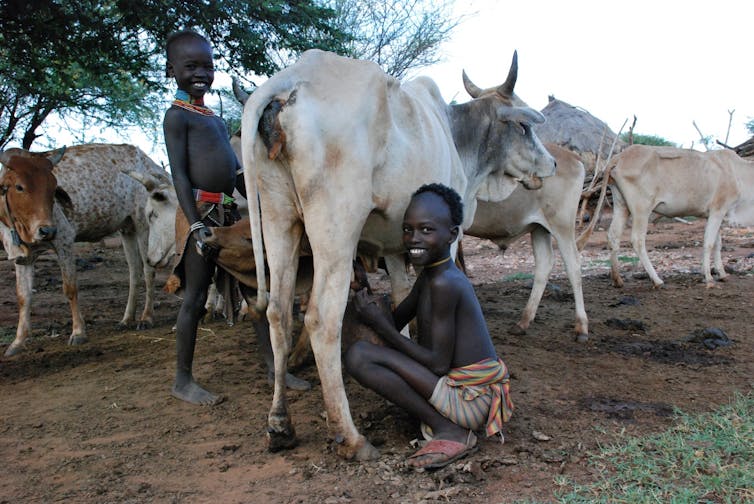
Hamar children milk one of their family’s cattle. J. Dubosson, Author provided

The dam and the damned

Over the past decade, the Ethiopian government has pushed ahead with a huge hydro-electric dam on the Omo, known as Gibe III. Without any meaningful consultation with the communities affected, the state has also appropriated grazing lands and freshwater, threatening their vital resources and local heritage.

All of this has happened despite the area gaining the status of a UNESCO World Heritage Site in 1980. As Richard Leakey, the Kenyan paleoanthropologist, conservationist and politician put it, “these happenings are profoundly disturbing”.

The completion of Gibe III, Africa’s tallest dam to date, has eliminated the annual flood and radically reduced the Omo’s flow, which produces 90% of Lake Turkana’s freshwater input. In doing so, it has reduced sediments and nutrients critical for traditional agriculture, riverside pastures and fish habitat.

 
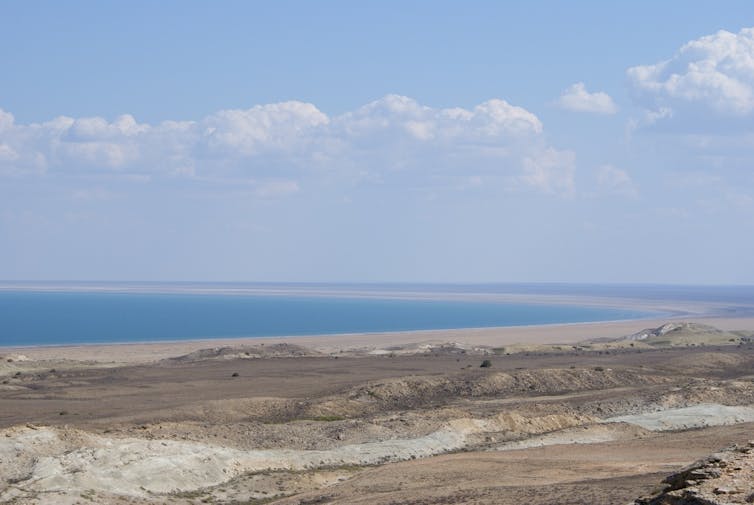
The former lake bed. What remains of the Aral Sea is heavily polluted. T. Clack, Author provided

Over 30% of the lake inflow will be diverted for commercial irrigation projects. The result could be a fall in lake level comparable to that of Central Asia’s Aral Sea, which has shrunk by over two thirds since the 1960s because of irrigation abstractions and which has been called “the world’s worst environmental disaster”. To make way for the commercial plantations planned for the Omo Valley, tens of thousands of hectares of land will be expropriated and thousands of local people displaced.

Development at any cost

The need to see “development” as more than a simple matter of an increase in GDP is well established. In his seminal work, Development as Freedom, the Nobel Prize winning economist, Amartya Sen, demonstrated that sustainable development must be based on universal access to social and economic necessities as well as political and civil rights. The many communities in the Omo-Turkana Basin have suffered a systematic curtailment of their most basic and essential rights.

International agreements which the Ethiopian government signed up to, such as the 1993 International Convenant on Civil and Political Rights and the International Covenant of Economic, Social and Cultural Rights require it to protect and promote the rights of minority cultures and ensure the “right of everyone to take part in cultural life”.

Formerly the fourth largest lake in the world, the Aral Sea has reduced to around 10% of its size in the 1960s. T. Clack, Author provided

Since 1948, Ethiopia has also been signed up to the Convention on the Prevention and Punishment of the Crime of Genocide. Article II provides against the destruction of “a national, ethnical, racial or religious group”. Raphael Lemkin, who coined the word “genocide”, famously defined the specific need to protect against the “disintegration of the political and social institutions of culture, national feelings, religion, and the economic existence of national groups”.

It is difficult not to conclude that what we are seeing in the Omo is the wholesale disregard of these commitments by the Ethiopian government. Its development policies are not only transforming landscape and heritage but destroying complex systems of sustainable living that have endured for millennia. The huge injustice of all this is that the ecological costs will be borne by local communities while the profits will be enjoyed by central and international corporations.

Meanwhile, centuries of collective wisdom relating to livestock diversification, flood dependant cultivation and customary obligations and mechanisms of livestock exchange, will be made redundant.

 
Two Mursi warriors prepare for a ceremonial duel. T. Clack, Author provided

This is not to deny, of course, that development, in the sense defined by Sen, is a laudable and necessary enterprise. But we must also recognise that large-scale infrastructure projects are likely to have far reaching consequences for the lifestyles and cultural identities of those they displace.

Projects which set out to increase economic growth without regard for social justice and individual rights are not worthy of the name “development”. Development must benefit locals and for this to happen their voices must not only be heard but also given a central and determining role in any discussions about the future of their lands and livelihoods.

Both cradle and crucible of our species, the Omo-Turkana Basin is unique and precious. Its heritage and history, as well as responsibility for its future, are shared by us all.

Thursday, 29 November 2018 22:01

Africa and EU to manage refugees

Written by
 
Source: The ConversationNovember 28, 2018 12.37pm GMT
Migrants arriving on the island of Lampedusa, southern Italy in April 2011. EPA/Ettore Ferrari

Early in 2019 the Eritrean government will take over the chair of the key Africa and European Union (EU) forum dealing with African migration, known as the Khartoum Process.

The Khartoum Process was established in the Sudanese capital in 2014. It’s had little public profile, yet it’s the most important means Europe has of attempting to halt the flow of refugees and migrants from Africa. The official title says it all: The EU-Horn of Africa Migration Route Initiative. Its main role is spelled out as being:

primarily focused on preventing and fighting migrant smuggling and trafficking in human beings.

Chairing the Khartoum Process alternates between European and African leaders. In January it will be Africa’s turn. The steering committee has five African members – Egypt, Eritrea, Ethiopia, South Sudan and Sudan. A number of others nations, such as Kenya to Tunisia, have participating status.

The African countries chose Eritrea to lead this critical relationship. But it’s been heavily criticised because it places refugees and asylum seekers in the hands of a regime that is notorious for its human rights abuses. Worse still, there is evidence that Eritrean officials are directly implicated in human trafficking the Khartoum Process is meant to end.

That the European Union allowed this to happen puts in question its repeated assurances that human rights are at the heart of its foreign policies.

The Khartoum Process

The Khartoum Process involves a huge range of initiatives. All are designed to reduce the number of Africans crossing the Mediterranean. These include training the fragile Libyan government’s coastguards, who round up migrants at sea and return them to the brutal conditions of the Libyan prison camps.

The programme has sometimes backfired. Some EU-funded coastguards have been accused of involvement in people trafficking themselves.

The EU has also established a regional operational centre in Khartoum. But this has meant European officials collaborating with the security forces of a government which has regularly abused its own citizens, as well as foreigners on its soil. President Omar al-Bashir himself has been indicted for war crimes and crimes against humanity by the International Criminal Court.

The centre requires European police and other officers to work directly with the security officials who uphold the Sudanese government. According to the head of the immigration police department,

The planned countertrafficking coordination centre in Khartoum – staffed jointly by police officers from Sudan and several European countries, including Britain, France and Italy – will partly rely on information sourced by Sudanese National Intelligence.

The centre also receives support from Sudan’s Rapid Support Forces, which grew out of the Janjaweed: notorious for the atrocities it committed in Darfur.

These initiatives are all very much in line with the migration agreement signed in the Maltese capital in 2015. Its action plan detailed how European institutions would co-operate with their African partners to fight

irregular migration, migrant smuggling and trafficking in human beings.

Europe promised to offer training to law enforcement and judicial authorities in new methods of investigation and to assist in setting up specialised anti-trafficking and smuggling police units.

It is this sensitive relationship that will now come under Eritrean supervision. They will be dealing with some of the most vulnerable men, women and children who have fled their own countries. It is here that the process gets really difficult, because Eritrean government officials have themselves been implicated in human trafficking. UN researchers, working for the Security Council described how this took place in 2011.

More recently, survivors of human trafficking interviewed by a team led by Dutch professor Mirjam van Reisen, described how the Eritrean Border Surveillance Unit ferried refugees out of Eritrea, at a price.

The danger is that implicated Eritrean officials will play a critical role in the development of the Khartoum Process.

Europe’s commitment to human rights

The EU has repeatedly stressed that its commitment to human rights runs through everything it does. Yet the Eritrean government, with which the EU is now collaborating so closely, has been denounced for its human rights abuses by no less than the Special Rapporteur for Eritrea to the UN Human Rights Council as recently as June 2018.

As Mike Smith, who chaired the UN Commission Inquiry into Eritrea in 2015, put it:

The many violations in Eritrea are of a scope and scale seldom seen anywhere else in today’s world. Basic freedoms are curtailed, from movement to expression; from religion to association. The Commission finds that crimes against humanity may have occurred with regard to torture, extrajudicial executions, forced labour and in the context of national service.

The EU itself has remained silent. It is difficult to see how the EU can allow its key African migration work to be overseen by such a regime, without running foul of its own human rights commitments. European leaders need to reconsider their relationships with African governments implicated in gross human rights abuses if they are to uphold these values.

The Khartoum Process may have reduced the flow of refugees and asylum seekers across the Mediterranean. But it hasn’t eliminated the need for a fresh approach to their plight.