Thursday, 22 November 2018 20:49

نعي اليم

Written by

توفى المناضل / ادم حامد سالم  يوم 20 / 11 / 2018م في مستشقى كسلا  بعد معانات  وصراع  طويل  مع المرض ولد المرحوم عام 1956 في مدينة هيكوتة  باقليم القاش  التحق المناضل / ادم بجبهة التحرير الارترية عام 1978 وعندما  كان يؤدي  دوره  النضالي  تعرض لاصابة  ادى لاعاقته  وظل تحت رعاية التنظيم ( الحزب ) ورغم اعاقته كان  ملتزما  يؤدي  واجبه  حتى تاريخ وفاته .

اللهم أرحمه برحمة واسعة ويلهم أهله وزويه بالصبر وحسن العزاء.


0
229

Former Eritrea finance minister of finance Mr Berhane Abrehe. PHOTO/COURTESY

By AGENCIES

The Eritrean Law Society has joined the furore towards the Eritrean Government to release detained former finance minister of finance Mr Berhane Abrehe. The Eritrea Law Society applied and secured a grant of Provisional Measures, delivered by the African Commission on Human and Peoples’ Rights.

Through this grant the Eritrean law society and the African Commission has adopted Provisional Measures, requesting the State of Eritrea to:

End the incommunicado detention of the victim by disclosing his location, providing him with access to legal representation  and unhindered access to his family

Inform the victim of the reason for his arrest, and bring him before a competent court of law within the shortest possible time, or alternatively if no charges are brought against the victim, to ensure his immediate release. The Eritrean state should provide Mr Berhane with regular and unhindered necessary access to medical and health care and guarantee Mr Berhane’s safety and well-being while in custody.

The Africa Commission Provisional Measures was communicated to President Isaias Afwerki of Eritrea office in a letter dated 29 October 2018, with reference number: ACHPR/PROVM/ERI/704/18/1689/18.

Speaking from Sweden, Mussie Ephrem a lawyer and member of the law society of Eritrea says ‘This proves again the credibility of the regional human rights instrument we have in the continent. This is the new Africa where rule of law is the future’.

On September 13th 2018, a number of former and exiled Eritrean leaders issued a joint statement of support for Mr Berhane Abrehe saying, ‘We, the undersigned exiled members of the Eritrean National Assembly, would like to express our strong support to the courageous act taken by our colleague, Ato Berhane Abrehe Kidane, the former Minister of Finance, against the dictatorial regime of Ato Isaias Afwerki.

They included AMB. ADHANOM GHEBREMARIAM, AMB. ANDEBRHAN WELDE, GIORGIS ATO, MESFIN HAGOS, ATO MOHAMED, BERHAN BLATA, ATO MOHIADIN, ABUBAKER SHENGEB,

In a recent message, Ato Berhane Abrehe has outlined a process in which Ato Isaias Afwerki would surrender power to the Eritrean National Assembly in a “peaceful, legal, civilized and Eritrean manner.” We strongly support the call to end the reign of tyranny, hand power to the people and bestow legitimacy on the Government of the State of Eritrea.

The Eritrean office of the president is yet to reply and has remained silent on this matter and requests for comments on the matter from the president press secretary has been futile.

In a recent interview with Eri-tv President Isaias Afwerki only made comments on the lost 25 years of isolation and the need for cooperation with the African Union saying ‘Without going too far, if we look at our region–Sudan, Ethiopia, Uganda, Kenya, Somalia, Djibouti–if we can create cooperative relationship, the tense situation would give way to joint infrastructure based on co-operation and mutual respect’.

Source=http://www.reporter.co.ke/2018/11/21/lawyers-in-eritrea-ask-government-to-release-former-finance-minister-berhane-abrehe/

Assistant Secretary Nagy Travels to Ethiopia, Djibouti, Eritrea, Kenya, and Germany

State Department
 
Media Note
Office of the Spokesperson
Washington, DC
November 21, 2018

Assistant Secretary for the Bureau of African Affairs Tibor P. Nagy will travel to Ethiopia, Djibouti, Eritrea, Kenya, and Germany from November 27 to December 8, 2018. During his trip, Assistant Secretary Nagy will focus on promoting stronger trade and commercial ties between the United States and Africa, harnessing the potential of Africa’s youth, advancing peace and security through partnerships, and underscoring the United States’ enduring commitment to the people and nations of Africa.

In all stops, Assistant Secretary Nagy will conduct bilateral meetings with government officials. In addition, in Addis Ababa, he will participate in the United States – African Union High-Level Dialogue and in Djibouti, he will meet with the Executive Secretariat of the Intergovernmental Authority on Development (IGAD). Throughout his visit, the Assistant Secretary will also engage with business leaders and alumni of the Young African Leaders Initiative (YALI). The final stop on the trip will be Stuttgart, Germany, where Assistant Secretary Nagy will have meetings with the United States Africa Command.

Follow @AsstSecStateAF on Twitter for trip updates. For press inquiries, please contact .


Children tell of being starved and beaten in camps part-funded by British government

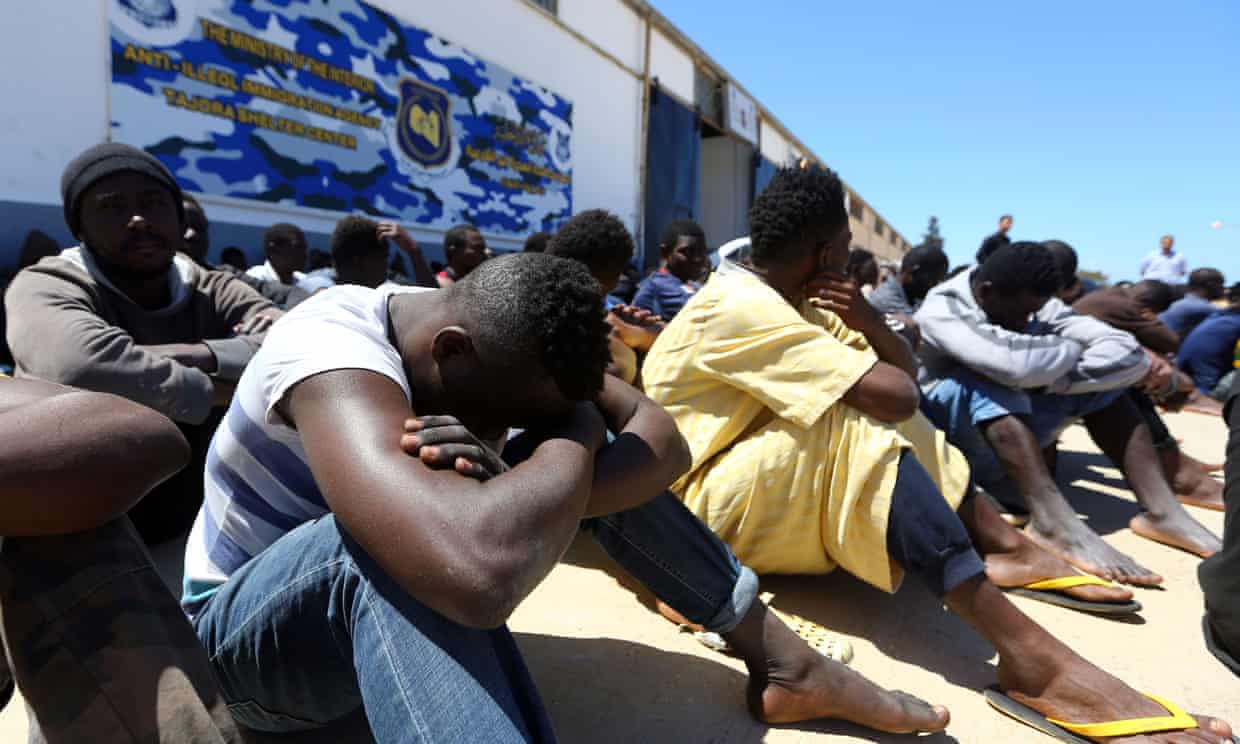
Migrants gather at the Tajoura detention centre in Tripoli.

Migrants found by Libyan security forces while waiting to be smuggled to Europe gather at the Tajoura detention centre in Tripoli. Photograph: Mahmud Turkia/AFP/Getty Images

Child refugees are facing abuse and malnutrition in a network of 26 Libyan detention centres the British government is helping to fund, the Guardian has learned.

In the first accounts to the media from minors being held in the camps, the children described being starved, beaten and abused by Libyan police and camp guards. One said the conditions were like “hell on earth”.

According to documents seen by the Guardian, there are 26 active camps which are part-funded by the UK across Libya. While the existence of the camps had previously been reported, the scale of the network was not public. There are no exact figures available on the number of children being held but there are thought to be hundreds and possibly more than 1,000. There are at least 5,400 refugees and migrants being detained in total, the UN Refugee Agency (UNHCR) says.

Child refugees are facing abuse and malnutrition in a network of 26 Libyan detention centres the British government is helping to fund
Child refugees are facing abuse and malnutrition in a network of 26 Libyan detention centres the British government is helping to fund Photograph: Handout

The Department for International Development confirmed the government was contributing funds for the centres: “We continue to help fund the European Union Trust Fund’s work to improve conditions for migrants in detention centres.”

The government insists the funding is necessary as part of a humane effort to dissuade people from making the dangerous Mediterranean crossing. Arguing that migrant detention centres are the responsibility of the Libyan authorities, it is understood to have raised concerns over the treatment of detainees with the Libyan government.

But critics see the Libyan camps as a way for European countries to outsource their problem with migrants and asylum seekers and contend that they are implicated in the problems with a system they fund “to make sure they don’t get to Europe”.

Advertisement

The revelations from the children – who risk severe punishment if guards discover they have been speaking to the media – provide the most detailed account yet of life in the camps for minors. Earlier this month, Amnesty International said conditions in the detention centres were unsustainable and that torture and ill-treatment were rife.

“There is a callous disregard on the part of Europe and other states for the suffering of those languishing in detention centres,” the Amnesty report said.

A 16-year-old boy in one of the centres said: “I have been here for four months. I have tried to escape three times to cross the sea to Italy but each time I have been caught and brought back to the detention centre. We are dying here but no one is taking responsibility. We need to be taken to a place of safety but we are locked in here 24 hours a day. We do not see sunrise and we do not see sunset.”

The centres are designed to keep asylum seekers from crossing the Mediterranean to Europe. The UK and other EU countries have spent tens of millions trying to prevent asylum seekers from conflict zones, such as Eritrea and Sudan, entering the region. Last year the UK government spent £10m in Libya on various initiatives, including the detention centres.

Critics see the work as part of the government’s former “hostile environment” migration policy, intended to deter people from seeking sanctuary in the UK as well as removing those who were already in the country.

A 13-year-old Eritrean asylum seeker in a Tripoli camp told the Guardian detainees got just one or two small portions of white pasta a day and many were starving and malnourished. Diseases such as TB were rife. Many possessed just one T-shirt and one pair of shorts and were freezing now temperatures were dropping.

“I am very scared and very hungry,” the boy said. “I want to reach the UK where I will be safe. We have nothing here, no food, no clothes, no phones. I miss my mother and father so much.”

A 30-year-old Eritrean asylum seeker in the camp said the boy had travelled from Eritrea via Sudan with a 16-year-old cousin.

“He cries all the time for his parents,” she said. “He is so sad I let him go to sleep with me. The conditions here are so bad. We are treated like donkeys, not like human beings. We are not allowed to have phones so we have to hide them when the police come.”

This week a 24-year-old refugee tried to hang himself in the toilet area of one of the camps, a 16-year-old in the same camp said. Three others saw him and quickly cut him down. He survived.

The teenager said his friend had lost hope because he was registered with UNHCR in January 2018 but was still languishing in the detention centres.

In a message sent late on Monday evening he said: “All the refugees are waiting to do like what our bro do cos they suffered long time. Libya is hell on earth. The world never help us and see our problem.”

There are believed to be hundreds and possibly more than a thousand child refugees in the camps Photograph: Handout

One 17-year-old Eritrean boy who escaped from a detention centre and reached the UK has claimed asylum. An expert medical report found almost 50 torture scars on his body, consistent with being beaten with batonsand sticks. In a witness statement the boy said some of the injuries were sustained in beatings from guards at the camp, and others from traffickers. Many of those in the camps are from Eritrea but there are also asylum seekers from Ethiopia, Iraq, Somalia, Sudan and Syria.

The policy to keep out as many asylum seekers as possible by holding them at key crossing points into Europe appears to be working. In the year ending March 2018, the number of asylum applications in the UK from main applicants decreased by 8% to 26,547. The falls are consistent with the wider trend across Europe, with a decrease of around 41% in applications to EU countries in the last year.

Giulia Tranchina, of Wilsons solicitors, who is representing the 17-year-old Eritrean boy in London, said: “What young men, women, children and babies are suffering in detention in Libya is one of the biggest failures of our human civilisation. European governments, in our name, with our taxpayers’ money, are paying Libyan authorities, militias and army generals to continue detaining and torturing refugees on our behalf, to make sure they don’t get to Europe.”

A spokeswoman for UNHCR said: “We remain incredibly concerned about the plight of detained refugees and migrants. Conditions in detention are extremely dire.”

She said the current figure of 5,409 refugees and migrants being detained in Libya did not include those being held captive by smugglers.

A DfID spokeswoman said government funding was also used to encourage migrants to return to their home countries, for emergency evacuations of refugees, and for healthcare. UK government officials had raised with their counterparts in the Libyan Government of National Accord the need to respect the human rights of migrants, ensure the provision of basic services and explore alternatives to detention centres, she said.

Source=https://www.theguardian.com/world/2018/nov/20/child-refugees-facing-abuse-in-libyan-detention-centres

ተጋዳላይ ኣደም መሓመድ ሳልም፡ ኣባል ኣካለ-ጽጉማን ኤርትራ ኣብ ከሰላ፡ ብምኽንያት ሕማም ብ20 ሕዳር 2018 ተሰዊኡ።

ስውእ ኣደም መሓመድ ሳልም፡ ብ1958 ዓ.ም ኣብ ሃይኮታ ተወሊዱ። ብ1978 ዓ.ም ድማ ኣብ ተጋድሎ ሓርነት ኤርትራ (ተሓኤ) ተሰሊፉ። ኣብ 1980 ኣብ ውግእ ድሕሪ ምስንካሉ፡ ኣብ’ቲ ብተሓኤ ሰውራዊ ባይቶ፡ ሰዲህኤ፡ ኣብ መወዳእታ ድማ ብማሕበር ኣካለ-ጽጉማን ኤርትራ ዝመሓደር ዘሎ መእለይ ኣካለ ጽጉማን ተዓቝቡ ጸኒሑ።

በዚ ኣጋጣሚ፡ ንስውእ ኣደም መሓመድ ሳልም፡ መንግስተ-ሰማይ የዋርሶ፡ ንቤተሰቡ ድማ ጽንዓቱን ምሕረቱን የውርደሎም እናበልና፡ ብስም ሰዲህኤ ብስም ማሕበር ኣካለ ጽጉማን ኤርትራን ናይ ሓዘኖም ተኻፈልቲ ምዃና ክንገልጽ ንፈቱ።

1.   ማሕበር ኣካለ ጽጉማን ኤርትራ

2.   ሰዲህኤ

ሰልፊ ደሞክራሲ ህዝቢ ኤርትራ ንዕለት 24 11 2018 ካብ ሰዓት 3 ድሕሪ ቀትሪ ዝጅምር ክፉት ህዝባዊ ኣኼባ ብምድላው ንኹሉ ግዱስ ሃገራዊ ዜጋ ብኽብሪ ይዕድም። ኣብቲ ኣኼባ ካብ ላዕለዎት ካድራት ናይቲ ሰልፊ ዝኾነ ኣቶ ሹማይ በርሀን ብሓላፊ ጉዳያት መንእሰያት ናይቲ ሰልፊ ኣቶ መድሃኔ ሃብተዝግን ነዚ ረዚን ዋጋ ዝተኸፍሎ መሰረታዊ ባህጊ ህዝቢ ኤርትራ ዘበርዕን ኣካይዳ ስርዓት ኣስመራን ከም ኣሉታዊ ጽልዋኡ ኣብ ኤርትራዊ ድያስጶራ ዓንቀፍቲ ዝምባሌታትን ብዝምልከት ዝትንትን ሰፊሕ ኣስተምህሮ  ድሕሪ ምሃብ፣ ዝያዳ ግዜ ግን ንተሳትፎ ኣኼባኛታት ክወሃብ እዩ።

ኣኼባ ዝካየደሉ ቦታ FURUSET SENTER እዩ።

ብደሓን ምጹ!!!

ሓቢርና ንስራሕ ክነድምዕ፣ ሓቢርና ነድምጽ ክነስምዕ! 

Source: European Council on Refugees and Exiles

According to the United Nations Refugee Agency (UNHCR) 262 migrants detained in Libya were evacuated to Niger on November 12- the largest evacuation from Libya carried out to date. In addition to a successful airlift of 135 people in October this year, this brings the total number of people evacuated to more than 2000 since December 2017. However Amnesty International describes the resettlement process from Niger as slow and the number of pledges inadequate.

The evacuations in October and November were the first since June when the Emergency Transit Mechanism (ETM) centre in Niger reached its full capacity of 1,536 people, which according to Amnesty was a result of a large number of people “still waiting for their permanent resettlement to a third country.”

57,483 refugees and asylum seekers are registered by UNHCR in Libya; as of October 2018 14,349 had agreed to Voluntary Humanitarian Return. Currently 3,886 resettlement pledges have been made by 12 states, but only 1,140 have been resettled.

14,595 people have been intercepted by the Libyan coast guard and taken back to Libya, however it has been well documented that their return is being met by detention, abuse, violence and torture. UNHCR recently declared Libya unsafe for returns amid increased violence in the capital, while Amnesty International has said that “thousands of men, women and children are trapped in Libya facing horrific abuses with no way out”.

In this context, refugees and migrants are currently refusing to disembark in Misrata after being rescued by a cargo ship on November 12, reportedly saying “they would rather die than be returned to land”. Reuters cited one Sudanese teenager on board who stated “We agree to go to any place but not Libya.”

UNHCR estimates that 5,413 refugees and migrants remain detained in Directorate for Combatting Illegal Migration (DCIM) centres and the UN Refugee Agency have repetedly called for additional resettlement opportunities for vulnerable persons of concern in Libya.

For further information:

ኤርትራውያን ሎሚ እውን ኣብ ቅድሜና ዓበይቲ ብደሆታት ስለ ዘለዉ ጉዳይና ኣሰካፊ እዩ። እቶም ካብዚ ዘለናዮ ደልሃመትን ወጽዓን ክንወጽእ እንደሊ ብዙሓት ምዃና ከኣ ተስፋ ዝህብ እዩ። ብኣንጻሩ ነዚ ዘሎ ሕማቕ ዘበን ዝረዓሙን ነቲ ቀንዲ ጠንቂ ናይዚ ሕማቕ ዘበን ህግደፍ ዝንእዱን ውሱናት ኤርትራውያን ናህሪ እንዳቐሃመ ዝኸይድ ከም ዘሎ ዘርኢ ምልክታት ንዕዘብ ኢና። እዚ ናይዞም ተቓወምቲ ምብዛሕ ክብርን ወሳንነት ህዝቢ ንዝርዳእ መንግስቲ ዓብይ መቕጻዕቲ እዩ። ህግደፍ ግና ኣብ ሓይልን ወሳንነትን ህዝቢ ስለ ዘይኣምን ንናይ ህዝቢ ካብኡ ምርሕቕን ምቕራብን ትርጉም ኣይህቦን እዩ። ብኣንጻሩ ኣሜን ኢሉ ንዘይተመሓደረ ኣገዲዱ ከም ዝገዝኦ እዩ ዝኣምን። እቲ ኣብ መወዳእታ ሒዝዎ ዝዕዘር ውሕጅ ከኣ ካብዚ ኣብ ልዕሊ ህዝቢ ዘለዎ ንዕቀት ዝምንጩ እዩ።

እቶም ብግጉይ ኣበሃህላኡ ዝደንዘዙ፡ ዘዝበሎ ካብ ምድጋም ሓሊፎም ንምምዝዛን ዘይተዓደሉ ውሑዳት፡ ምስ ህግደፍ ተጸጊዖም ዘይወድዓዊ ስኽራን ዘዕበዶም ኤርትራውያን ነዚ ንርከበሉ ዘለና ግዜ ብጽሞና ክሓስብሉ ዝግበኦም እዩ። ህግደፍ ሓንሳብን ንሓዋሩን መሰረታዊ መሰላት ህዝቢ ድሂኹ ኣብ ካልእ ኤርትራውያን ዘይፈልጥዎ ዓለም ክነብር ዝወሰነ እዩ። ከምቲ “ድሕሪ ሞት ጥዕና ቅበጽ” ዝበሃል ህግደፍ ካብ ህዝቢ ኤርትራ ክሕባእ እምበር ናብ ራህዋ ህዝቢ ኤርትራ ዘቕነዐ ሓሳብ ከይምጽእ ዝነጸፈ እዩ። ኣብዚ ቀረባ ግዜ ካብ ህዝቢ ኤርትራ ንክሕባእ ኣብ ዓዲ ሃሎ ባሕትዩ ዝጸንሐ መራሒ ህግደፍ፡ ከምቲ “ዝብእስ ኣብ ዘይፈልጥዎ ዓዲ ከይዱ ቆርበት ኣንጽፉለይ በለ” ዝበሃል ፍቱው መራሒ ንክመስል፡ ኣብ ጎንደርን ባህርዳርን ከይዱ ኣፍልቡ እንዳወቐዐ ሓጐሱ ክገልጽ ምቕናዩ ነዚ ዘመልክት እዩ። ካብ’ዚ ምእንቲ ህዝቢ ናይ ምሕሳብ ኣእምሮኡ ዝነጸፈ መራሕን ጉጅለኡን ደሓን ምጽባይ ከኣ ከንቱ እዩ። ንኣብነት ህግደፍ ጉዳይ ዶብ ምልዓል ዘይግባእ ጥራይ ዘይኮነ ነውሪ ምዃኑ ኣግሂዱ እንዳነገረካ፡ በቲ ቀደም ኢሳያስ ክደርፎ እንከሎ ሓቂ ዝመስል ዝነበረ “እቲ ሰብኣይ እዩ ልኡላውነት ሃገርና ዘኽብረልና” ምባል ናይ ብዘበን ውበ ጸሚሞም ውበ ክብሉ ዝነብሩ ኣተሓሳስባ ካብ ምዃን ሓሊፉ ካልእ ትርጉም ዝህልዎ ኣይኮነን። ኮታ ጉዳይና ጉዳይ ኤርትራን ህዝባን ካብ ማህደር ህግደፍ ካብ ዝወጽእ ሎሚ ደኣ ዝያዳ ይበርህ ኣሎ እምበር ነዊሕ ኮይኑ እዩ። “ደጊም ጉዳይና ጉዳይ ዞባ እዩ” ዝበሃል ዘሎ ምጉብዕባዕ ከኣ ናይዚ መርኣያ እዩ። ሎሚ ኤርትራን ህዝባን ሓቀኛ “ኣለኹልኩም” በሃላይ ዝጽበይሉ ናይ ዋግዋጎ መድረኽ እዩ። እቲ “ኣለኹ ባዕለይ” ክብል ዝግበኦ እምበር ህዝቢ ኤርትራ እዩ። እቲ ካልእ መመላእታ እዩ።

ሓድሓደ ነቲ ዝረአ ክርእዩ ዘይደልዩ ንመሰረታዊ ሕቶ መሰልን ዲሞክራስን ብቑንጣሮ ኣቕርቦት ሃላኺ ነገራት ክልውጥዎ ዝደናደኑ ወገናት፡ “ሕጂኸ ንህዝቢ ኤርትራ ጐዲልዎ ዝበሃል ዘሎ እንታይ እዩ?” ክብሉ ይስምዑ እዮም። ከምቲ “ካብ ልቢ እንተሓዚንካ ንምዓት ኣይኣብን” ዝበሃል ካብ ልቢ ንዝሓስብ ኣብ ኤርትራ፡ ሕገመንግስታዊ ስርዓት፡ ልዕልና ሕጊ፡ ምኽባር ሰብኣውን ዲሞክራስያውን መሰላት፡ ሓጋጊ፡ ፈጻምን ፈራድን ኣካላት ዘለዉዎ መንግስቲ፡ ኣብዚ ሎሚ ከም ራባዓይ ኣካል መንግስቲ ዝውሰድ ዘሎ ሚድያ፡ መሰል ምውዳብን ሓሳብካ ምግላጽን፡ መሰል ዝኣመንካሉ ሃይማኖት ምስዓብ ናይ ዝኣመሰሉ ብኩራት ከም ዘሎ ምርዳእ ምርምር ዘድልዮን ሕቶ ዘልዕልን ኣይኮነን። ጉጅለ ህግደፍ እውን ኣብቲ ፍታሕ ምቕራብዩ ጥልዕምልዕ ዝብልን ነቲ ንሱ ክምልሶ ዝግበኦ ሕቶ ተመሊሱ ሓታታይ ኮይኑ ዝቐርብ እምበር ነቲ ዝድህሰስ ሓቅስ ኣይክሕዶን እዩ። እቶም ዝያዳ ህግደፍ፡ ህግደፍ ክኾኑ ዝደልዩ’ሞ ነቲ ኣብ ኤርትራ ዘሎ ዘሰክሕ ኩነታት ክደፍንዎ ኣብ ዘይከኣልሉ ካብ ዘቕርብዋ መህደሚት “ኩሉ ቀስ ኢልካ እንድዩ ዝኸውን ግዜ ንሃቦ” እትብል ዝበለየት ምኽንያት እያ። ህግደፍ ግና ህዝባዊ ሓልዮት ዘብቁል ሕልና እምበር ግዜ ኣይኮነን ስኢኑ። በዓል ምምልካት ዶብን እገዳን ከኣ ምኽንያትነት በልዩ ተደርብዩ እዩ። ደጊም መመሳመሲ መጋረጃ ተቐንጢጡ ምስ ሓቂ ምፍጣጥ ጥራይ እዩ።

ከምቲ ኣቐዲሙ ዝተገልጸ፡ እቶም ካብ ወጽዓ ህግደፍ ክንወጽእ እንብህግ ኤርትራውያን፡ ካብቶም ወጽዓ ርዒሞም ምስኡ ክነብሩ ዝደልዩ ወገናትና ኣዚና ከም እንበዝሕ ፍሉጥ እዩ። ነቶም ብልቦም ኣንጻር ወጽዓን ናይ ለውጢ ተጠቀምትን ክንሶም፡ ብሓደሓደ ምስ ህልውና ሃገርን ራህዋ ህዝብን ክወዳድር እንከሎ ትርጉም ዘይወሃቦ ግዚያዊ ረብሓታት ምስ ህግደፍ ዘውደኽድኹ ወሲኻ እሞኸኣ ኩልና ኤርትራውያን ምስ ህግደፍ የለናን ዘብል እዩ። ኣብዚ ቀረባ ግዜ ናብ ኣስመራ ከይዱ እገረመንገዱ ምስ ብዙሓት ኣዕሊሉ ዝተመልሰ “ኣብ ኣስመራ ኢሳይያስ ሳልሳይ ርእሱ ጥራይ እዩ ኣብ ኤርትራ ዝገዝእ ዘሎ። ነቶም ክልተ ንሓንሳብ ንጎንደር ንሓንሳብ ንባህርዳር ርሒቑ ተተባህለ ከኣ ናብ ሱዕድያን ሕቡራት ኢማራትን ኣንጠልጢልዎም ይኸይድ። ንሳቶም እውን ሳንጣኹም ሒዝኩም ሰዓቡኒ እዮም ዝበሃሉ እምበር፡ ምስኡ ካብ ምስኣል ሓሊፎም ዝፈልጥዎ የብሎምን እዩ ዝበሃል” ዝበለኒ ከኣ ነዚ ዘረድእ እዩ።

ሓደ መሰረታዊ ነገር ግና ኣሎ። እቶም ኣንጻር ወጽዓ ተሰሊፍና ዘለና፡ ስለ ዝበዛሕና ጥራይ ኣይንዕወትን ኢና። እዚ ብዝሕና ግድን ብሓያልነትና ክስነ ይግባእ። ለውጢ እንዳደለናን ብሃለዋት ህዝብናን ሃገርናን እንዳሓዘናን ተሓቢእና ንህግደፍ ምርጋም ጥራይ ለውጢ ኣየምጸኣልናን እዩ። ብዓብይ ጉዳይ ሃገርን ህዝብን እንዳሓሰብና ውልቃዊ ምርጫታት ምውሳድ ኣየዋጸናን እዩ። ብጉዳይ ሃገርን ህዝብን ከይቀሰንና ኣብ ሓደ ናይ ጸቢብ ስምዒት ኩርናዕ ክንሕባእ ምፍታን መፍቶ ህግደፍዩ ዝገብረና። ብክብርን ሕድርን ሰማእታትና እንዳሓሰብና ንህግደፍ ምምራቕ ተጻራሪ መንገዲ ምሓዝ እዩ። ክንዲ ንመጻኢ ምምዕዳው ኣብ ሕሉፍ ምጽብጻብ ምጽማድ ኣየሰጉመናን እዩ። ስለዚ እዚ ኩሉ ግጉይ ኣካይዳታት ነቲ ብዝሕና ኣብ ክንዲ ዘሕይሎ መሊሱ’ዩ ዘድክሞ። ናትና ናይቶም ብዙሓት ምድካም ከኣ ኣደዳ ህግደፍ ምዃን’ዩ ዘስዕብ። ስለዚ “ብዙሓትን ጥምዙሓትን” ካብ ምዃን ወጺእና ብሓባርን ውዱብ መንገድን ሓያልነትና ኣንጻር ህግደፍ ነረጋግጽ።

An authoritative report published in the Orthodox Handbook on Ecumenism describes the government interference and repression against members of Eritrea’s Orthodox church, including Abune Antonios. Full chapter Orthodox Church Eritrea.

A portion is reproduced below.

___________________________________________

“Even though the Eritrean Orthodox Church enjoys the status of an officially recognized religious group, it faces a great deal of restrictions. In May 2002, the desire of the Eritrean government to control the oldest and the most influential institution in the country brought the installation of a political appointee as the General Administrator of the Church. This position, similar to that of the Ober-Prokurator of the Russian Orthodox Holy Synod in Tsarist times, has full control over the decisions of the Synod. Besides this, in order to weaken the position of the Church and to reduce its role to a mere arm of the Department of the Religious Affairs, the government either arrested or unfrocked a great number of the leading clergy who could oppose the new course of the government.

Yet this was not all: the finances of the Church fell under the control of the government, 26 the most precious artefacts and manuscripts were declared to be “the property of the Eritrean people” and confiscated. But what makes the religious policy of the government even more dangerous for the future of the Eritrean Orthodox Church is that presently all deacons and priests below the age of fifty are obliged to undergo an indefinite military service. During the last several years, more than 1,500 Orthodox priests were forced to join the army and as a result of the shortage of clergy, Orthodox churches – and first of all in rural areas – are being shut down at an alarming rate in Eritrea.

However the head of the Eritrean Orthodox Tewahedo Church, Patriarch Antonios, took an uncompromising stand against all encroachments by the government in the affairs of the Church and demanded the release of the imprisoned Christians. The reaction followed quite soon, and Patriarch Antonios was removed from his office by the Holy Synod which sided with the government. He was soon arrested and became one of around 2,000 Christians detained without trial or charge by the Eritrean government.

Since then, he has neither been seen nor heard from. In order to justify this uncanonical action, representatives of the Synod even sought the support of the Coptic Pope Shenouda III to excommunicate Abune Antonios, but the Pope refrained from this and expressed his support for the persecuted Patriarch.

The religious policy of the Eritrean regime found its anticipated turn on 27 May 2007 when a pro-government bishop Dioscoros of Mendefera was installed as a new Patriarch. Although all other Oriental Orthodox Churches still continue to recognize Abune Antonios as the genuine and canonical patriarch of Eritrean Orthodox Tweahedo Church, the Eritrean Orthodox Community in Diaspora is divided into two groups: one (more numerous) supporting Abune Antonios and the other, Abune Dioscoros.

The severe restriction of religious freedom in Eritrea gained attention all around the world and this situation became a major concern not only for various NGO’s, but also for Churches and ecumenical bodies worldwide. As the matter of fact, General Secretary of the WCC Konrad Raiser accompanied by an ecumenical team visited Eritrea in July 2002 and met there with Church leaders as well as government officials in order to advocate for the believers, whose fundamental human rights of freedom of religion, conscience, worship and organization had been violated.

Intensive work in this direction is being done also by the Eritrean Orthodox Church in Diaspora. Its recent appeal from May 2013 to the Secretary-General of the United Nations Ban Ki-moon could serve as an example of its activity. In this letter the Archdioceses of the Eritrean Orthodox Church in North America, Europe and Middle East once again called upon the world community to help to release His Holiness Patriarch Antonios and all those who are in prison because of their faith.”

Lantos HR Commission

Co-Chairs Ask Secretary Pompeo to Press for Human Rights in Eritrea

Nov 19, 2018
Press Release

WASHINGTON, D.C. – Congressmen Randy Hultgren and James P. McGovern, Co-Chairs of the bipartisan Tom Lantos Human Rights Commission, wrote to Secretary of State Mike Pompeo asking him to ensure that any reset in diplomatic relations between the United States and Eritrea be tied to verifiable human rights objectives. The Co-Chairs emphasized four key benchmarks for Eritrea, including the release of civil and military conscripts, an end to religious persecution, the release of prisoners of conscience, and freedom of movement for Eritrean citizens. The letter follows a hearing convened by the Commission earlier this year on human rights in Eritrea. The signed letter is available here, and the full text is reprinted below.

The bipartisan Tom Lantos Human Rights Commission was established by unanimous consent in the United States House of Representatives to promote, defend and advocate for international human rights. The Commission undertakes public education activities, provides expert human rights advice and encourages Members of Congress to actively engage in human rights issues.

_____

Dear Secretary Pompeo,

As Co-Chairs of the bipartisan Tom Lantos Human Rights Commission, we write to urge you to ensure that any reset in relations between the United States and Eritrea, or any easing of sanctions imposed on Eritrea by the United Nations, be tied to concrete human rights objectives that are in the best interest of the Eritrean people as well as the international community.

We welcome the groundbreaking peace measures initiated by the leaders of both Ethiopia and Eritrea in recent months. Like the rest of the world, we were gratefully surprised to see the countries’ twenty-year conflict resolved with the signing of peace accords and the opening of diplomatic relations. Eritrea’s entry into the regional and global community is a welcome development with the potential to bring significant benefits to the Horn of Africa. These recent advances also present an important opportunity for the warming of the U.S.-Eritrean relationship, including strengthening security and economic partnerships that benefit both nations.

However, though President Isaias Afwerki and the Eritrean government have made great strides engaging with other countries in the region, we remain deeply concerned by the ongoing gross human rights violations that the government perpetrates against its own people. In a Tom Lantos Human Rights Commission hearing on Eritrea earlier this year, we heard testimony from individuals who described, or who had themselves experienced, torture as a systematic policy of the government, and the brutal suppression of their most basic rights. Freedom of religion, freedom of speech, and freedom of the press are non-existent in Eritrea. Indefinite conscripted military and civil service is a fact of life for Eritreans and has created a mass exodus of people trying to leave the country. For these reasons, the small nation of Eritrea has disproportionately contributed to the global refugee crisis, particularly in countries bordering the Mediterranean Sea. Since the signing of the peace agreement there has been no evidence of human rights reforms.

As Eritrea normalizes relations with the world, we ask that you continue to address these concerns in your ongoing diplomacy with the Eritrean government. In support of human rights and norms of international behavior, we ask that you specifically press for four concrete steps.

First, Eritrea should immediately release all military and civil conscripts who have served for more than 18 months and officially proclaim that new conscripts will not be required to serve for more than 18 months. The Eritrean people should no longer be subjected to indefinite national service that amounts to forced labor on behalf of the government.

Second, Eritrea must end religious persecution against all religious faiths in the country, particularly against those who do not belong to one of the four permitted religious groups. Jehovah’s Witnesses should again be granted full Eritrean citizenship along with the opportunity to fully participate in the country’s institutions and worship freely according to their conscience. In addition, at least 50 Jehovah’s Witnesses are reported to be incarcerated. Eritrea should provide explanations for the charges against these individuals and others in prison, release any who have not been criminally convicted, and ensure due process for all detained persons.

Third, President Afwerki should release the many hundreds of prisoners of conscience including Patriarch Abune Antonios and journalist Dawit Issak. At the very least, the United States should be allowed a visit with Patriarch Antonios as the U.S. Embassy has repeatedly requested. In addition, family members should be allowed to visit prisoners of conscience including those incarcerated for their religious beliefs, and the International Committee of the Red Cross should be given access to provide humanitarian aid and medicine to prisoners.

Lastly, Eritrean citizens should be granted the freedom to travel in and out of their own country. In the past, those seeking to leave the country were often shot at the border, or were captured, imprisoned, and tortured in underground prisons.

On September 17, 2018, only a day after President Afwerki signed the peace accord with the Ethiopian government, Berhane Abrehe, a former minister in the Eritrean government, was arrested in Asmara for writing a book critical of Afwerki. His family reports that he remains incommunicado. We find the Eritrean government’s discourse in support of peace and economic development inconsistent with its ongoing human rights violations which we believe will continue to destabilize the region. The government’s actions are not in-line with its stated intention to rejoin the international community.

We ask that you convey this message in your discussions with the Eritrean government and ensure that any lifting of sanctions is tied to these clear and measurable outcomes.

Sincerely,

Randy Hultgren, M.C.                                    James P. McGovern, M.C.

Co-Chair, TLHRC                                          Co-Chair, TLHRC

CC:      The Honorable Nikki Haley, United States Ambassador to the United Nations

115th Congress