ርእሰ-ዓንቀጽ ሰዲህኤ

ናይ ግዜ ናጻን ዘይመዛበልን ጉዕዞን ቀጻልነትን ንምግላጽ “መዓልትን ከልብን ከይጸዋዕካዮም ይመጹ” ዝብል ኣበሃህላ ኣሎ። እነሆ ከኣ ብመንጽር እዚ ዓመተ-2018 ኣፋኒና ዓመተ-2019 ኣብ እንቕበለሉ ደረጃ በጺሕና። ናይ ሓደ ዓመት ምሕላፍ ኣብ ናይ ኩሉ ሰብን ተወጢኑ ኣብ መስርሕ ዘሎ ተግባራትን ዕድመ ዝውስኽ እዩ። ዓመት ሓሊፉ ብሓድሽ ዓመት ናይ ምትካእ መስርሕ ሃንደበት ዝመጽእ ዘይኮነስ “መጻእኩ” ዝብል ምልክት እንዳሃበ ደበኽ ዝብል እዩ። ሓድሽ ዓመት ኣትዩ መዓልታት፡ ሰሙናትን ኣዋርሕን ክሓልፍ እንከሎ ወያ ዓመት ትገማገም ከም ዘላ ዘመልክት መጠንቀቕታ እዩ።

መዕቀኒኡ ሓጺር ይኹን ነዊሕ፡ ግዜ ንኹሉ ወዲ ሰብ ብማዕረ እሞ ከኣ ብናጻ ዝወሃብ  ጸጋ እዩ። እቲ ፍልልይ ዝመጽእ እቶም ንግዜ ብናጻ ዝተወሃብናዮ ኣካላት ብኸመይ ንጥቀመሉ እዩ። ሰባት ንግዜ ገሊኦም ንህንጸት፤ ገሊኦም ንዕንወት፡ ገሊኦም ንሰላም፤ ገሊኦም ንህውከት፡ ገሊኦም ንጭቆና፤ ገሊኦም ድማ ንራህዋን ናጻነትን ይጥቀምሉ። ብመንጽር እዚ ዝኾነ ሰብ ዝተሰለፈሉ መዳይ ብዘየገድስ “እቲ ብናጻ ዝተዋህበኒ ግዜ ኣብ ምንታይን ብኸመይን ኣብ መዓላ የውዕሎ ኣለኹ?” ዝብል መሰረታዊ ሕቶ ክምልስ ይግበኦ። ነዚ ሕቶ ዝህቦ መልሲ ከኣ መሰረታዊ እዩ። እዚ ሕቶዚ ኩሉ ግዜ ክለዓል ዝግበኦ’ኳ እንተኾነ፡ ብፍላይ ኣብ ከምዚ ሕጂ ንርከበሉ ዘለና ዓመት ኣፋኒኻ ዓመት ናይ ምቕባል ግዜ ኣገዳስነቱ ዕዙዝ እዩ። ምኽንያቱ ኣብ ዝመጽእ ዓመት እንታይ ከም እንሰርሕ ክንውጥን እንከለና ናይዚ ሕቶ መልሲ መበገሲና ስለ ዝኸውን።

ብዛዕባ መጻኢ ዓመት ክንሓስብ እንከለና ናብ ዝሓለፈ ዓመት ምቁማትና ዘይተርፍ እዩ። ናይ ዝሓለፈ ዓመት ተመኩሮና ክንድህስስ እንከለና ስለ ዝተግበርናዮም ዘሕጉሱናን ክንትግብሮም እንዳተገበኣና ስለ ዘይተግበርናዮም ዘጣዕሱናን ክንረክብ ምዃና ፍሉጥ እዩ። ኣብ ከምዚ ኩነታት ቀንዲ ቆላሕታና ክኸውን ዝግበኦ በቶም ዘይተግበርናዮም ምጠዓስ ዘይኮነ፡ ካብኡ ተማሂርካ ብሓድሽ ሓላፍነታዊ መንፈስ ክትትግብሮ ምንቃድን ምትላምን እዩ። ኣብ ዝሓለፈ ምጠዓስ ግና ከምቲ “ድሕሪ ማይ ናብ በዓቲ”  ዝበሃል፡ ወርቃዊ ግዜኻ ካብ ምብኻን ሓሊፉ ዘምጸኦ ፋይዳ የብሉን።

ዓመት ኣዝዩ ነዊሕ ናይ ግዜ መዕቀኒ እዩ። ህያው ናይ ለውጥን ምዕባለን ኩነታት ኣብ ዝሃለወሉ ከኣ ብዙሕ ዝስረሓሉ እዩ። ኣብ ከምዚ ሕጂ ኤርትራ ሃገርና ኣብ ትሕቲ ናይ ጭቆና ኣርዑት ዝሃለወትሉ ግና ናይ ሱቕ ኢልካ ምዕዛብ ስለ ዝኾነ ትርጉም መዓልትን ዓመትን ክትፈሊ ዘይትኽእለሉ እዩ። ዲክታቶር ኢሳይያስን ጉጅለኡ ህግደፍን ወይ ናይ ህዝቢ ሕቶ ምምላስ ወይ ንህዝብን ሃገርን ይጠቅም ዝበልካዮ ኣንቂድካ ምስራሕ ኣብ ኣእምረኦም ስለ ዘየለ፡ ከምቲ “ወጮ እንተገልበጥካዮ ወጮ” ዝበሃል፡ ኣብዚ ዝሓለፈ ዳርጋ 20 ዓመታት፡ ዓመት ሓሊፉ ብሓድሽ ዓመት ምትክኡ ትርጉም ኣይነበሮን። ኣብዛ ንፋንዋ ዘለና  ዓመተ-2018 ናብቲ ቀንድን መሰረታውን ኤርትራዊ ጉዳይ ዘድሃበን ንጉዳይ ልኡላውነትና ግምት ዝሃበን’ኳ እንተዘይኮነ፡ ምስ ኢትዮጵያ ዝጸንሐ ሃለዋት ሓድሽ ግና ድማ ዘይግሉጽን ዘይውሑስን መልክዕ ምሓዙ ከም ሓድሽ ተረኽቦ ዘይውሰድ ኣይኮነን። እቲ ኩሉ ናይ ህዝብና ዘቤታዊ ወጽዓታት ግና ኣብቲ ዘለዎ እዩ ዘሎ። ዓመተ-2019 ግና ምስዚ ህግደፍ ዓቕሉ ጸቢብዎ ዘዕለብጠሉ ዘሎ፡ እቲ ካብ ነዊሕ ግዜ ክሕቆን ዝጸንሐ ኩለ-መዳያዊ መሰረታዊ ሕቶ ህዝብና  ዝጻዕየሉ ክኸውን ሰብ ምሉእ ተስፋ ኢና። ተስፋና፡ ተስፋ ጥራይ ኮይኑ ከይተርፍ ከኣ፡ ሓድሽ ኣተሓሳስባ ሓቢርካ ምስራሕ ከም ዘድልዮ ክዝንጋዕ ዘየብሉ እዩ።

ዓመተ-2018 እቲ ቅድም እውን ካብ ኤርትራዊ ዘቤታዊ ሃለዋት ዘይነቐለ እገዳ ኣብ ልዕሊ ህግደፍ ዝተላዕለሉ እዩ። ናይዚ ምኽንያት እቲ ንኤርትራዊ መሰረታዊ ጉዳይ ቀልቢ ዘይሃበ፡ ምሕዳስ ዝምድና ኤርትራን ኢትዮጵያን ምዃኑ ሰሚዕና። ብተግባር ከኣ ዲክታቶር ኢሳይያስ ካብ ኮንተይነራት ዓዲ ሃሎ ወጺኡ ወዛሕዛሕ ክብል እምበር፡ ኣብ መሰረታዊ መሰላት ህዝብና ለውጢ ከምጽእ ኣይተራእየን። እኳ ደኣ ኣብ ጉዳይቲ ብእልቢ መስዋእትነት ዝተነድቀ ልኡላውነት ኤርትራ ሻቕሎት ዘሕድር ምልክታት ኣርእዩ። ምናልባት ግና ናብቲ ቀንዲ ጉዳይና ክንበጽሕ ንመመሳመሲ ህግደፍ ጸንቂቑ ኣፍደገ ለውጢ ዝኸፍት’ዩ ኢልካ ምውሳድ ይከኣል ይኸውን። ስለዚ ቀደም እውን ዓወትና ካብ ቃልስና እምበር ካብ ካልእ እንጽበዮ ህያብ ስለ ዘይኮነ፡ ኣብዛ እንቕበላ ዘለና ዓመተ-2019 ተስፋ ሰኒቕና መደባትና ሰሪዕና ብህግደፍ ኣብ ልዕሊ ህዝብና ዝተጻዕነ ዓለም ዘየቕለበትሉ እገዳ ከነምክን ክንነቅል ይግበና። ትስፉዋት ከኣ ክንከውን ይግበና ተስፋ እንተዘየልዩ ቀጻልነት እውን ኣብ ሓደጋ ስለ ዝወድቕ።

ኣብ ዓመተ-2019 ኣብ ደንበ ተቓውሞና ሰፊሕ ናይ ሓቢርና ንወደብን ንቃለስን ተስፋታት ክረአ ጸኒሑ እዩ። ብዙሓት “ከመይ ኣለና፡ መዋጽኦናኸ እንታይ እዩ?” ዝብል ሕቶ ንምምላስ ዝዕላምኦም ሰልፍታት፡ ሰሚናራትን ስምፖዝየማትን ክካየዱ ጸኒሖም። ህግደፍ ብወገኑ እዚ ምንቅስቓሳት ኣንጻር ህልውናኡ ምዃኑ ስለ ዝርዳእ ነዚ ምቅርራባት ንምዕንቃፍ ከዕለብጥ ጸኒሑ። እንተኾነ ኣይተዓወተን። ስለዚ እዚ ምንቅስቓሳትዚ ኣብ ዓመተ-2019 ኣብ ዝድህሰስን ዕድመ መግዛእቲ ዘሕጽርን ደረጃ ክበጽሕ ተስፋና ልዑል እዩ።

ሰልፊ ዲሞክራሲ ህዝቢ ኤርትራ (ሰዲህኤ) ኣብ 2018 ከም መቐጸልታ ናይቲ ካብ ነዊሕ ግዜ ሒዝዎ ዝመጸ ዕማም ቀንዲ ኣድህቦ ሂቡ ክሰርሓሉ ዝጸንሐ፡ ካብ ተመኩሮኡ ተማሂሩን፡ ብዘይሓቢርካ ምምራሽ ከኩርባኻ ሒዝካ ምጭራሕ ለውጢ ከምዘይመጽእ ብምርዳእ፡ ብሓባር ዘስርሕ መድረኽ ምፍጣር እዩ። ውጽኢት ምንቅስቓሱ ከኣ ማዕረ ትጽቢትን ጠለብን ህዝብና እኳ እንተዘይኮነ፡ ውጽኢታዊ ነይሩ። ምስ ዝተፈላለዩ ተመሳሳሊ ቅርቡነት ዘርኣዩ ወገናት ብሓፈሻ፡ ምስ ሃገራዊ ድሕነት ኤርትራ-ሕድሪ (ሃድኤ-ሕድሪ)ን ኤርትራዊ ሕድነት ንፍትሕ (ኤሓፍ)ን ብፍላይ ዝገበሮም ርካባት ከኣ ኣዝዮም ውጽኢታዊ ኮይኖም ይቕጽሉ ኣለዉ። ምስ ሃገራዊ ድሕነት ኤርትራ-ሕድሪ ፍጹም ሓድነት ንምፍጻም ናይ ሓባር ኣሰናዳኢት ሽማግለ ተመዚዛ  ሓባራዊ ጉባአ ኣብ ምድላው ምብጽሑ ከኣ ከም ናይ ዓመተ-2018 ኣውንታዊ ተበግሶ እንወስዶ ኮይኑ፡ ኣብ 2019 ብዓወት ክጽንበል ብዝለዓለ ደረጃ ዝሰርሓሉ ዘሎ እዩ። ሰዲህኤ ነቲ ምስ ካለኦት ወገናት ወጢንዎ ዘሎ ልዝባት እውን ብምሉእ ልቢ ክደፍኣሉ እዩ። ኩሎም እቶም ዝካየዱ ዘለዉ ተስፋ ዝህቡ ምቅርራባትን ልዝባትን እምበኣር፡ ብናይ ሓደ ወገን ፍሉይ ጻዕርን ሓላፍነትን ዘይኮኑ፡ ብናይ ኩሎም ተዋሳእቲ ወገናት ማዕረ ቅርቡነትን ህዝባዊ ሓልዮትን ዝተታሕዙ እዮም። እዚ ኣብ 2018 ዝተራእየ ቅሩብነታት ኣብ ዓመተ-2019 እውን ምስ ሓድሽ ኣተሓሳባ ኣብነታዊ ኮይኑ ከም ዝቕጽል ርግጸኛታት ኢና።

ሓድሽ ዓመት 2019 ናይ ራህዋን ቅሳነትን ክንገብራ ንቃለስ

ፍሉይ ምስጋና

ደቂ ሰባት ካብ ቅዱስ ሕልናኦም  ተበጊሶም፤  ንሰናይ ትምኒቶምን ድሌቶም ንምፍጻም ንውጹዓት ኣካላት ሕብረተ-ሰቦምን፣  ብጾቶምን ንምርዳእ በቲ ዘለዎም ዓቕሚ ክጽዕሩን ክተሓባበሩን ትርኢ ኢኻ።  ከምዚ ዝኣመሰለ ሰናይ ድልየትን ኒሕን ክትርኢ ኰሎኻ ድማ ንሰማዒኡን ራኣይኡን እውን ኣዝዩ ደስ ዘብል ኰይኑ ትረኽቦ። ናይ ሎሚ ምስጋናና ካብ ኩሉ ፍሉይ ዝገብሮ ግን፡ ነቲ ጉልበታውን፣ ኣእምሮኣውን፣ ንዋታውን ጻዕርታት ዘጥፈኣሉ ንብረት/መጻሕፍቲ፡ ሓው ግርማይ በኹረ ንውልቃዊ ረብሓኡ ከይጠመተ፤ ሓጋዝን ረዳእን ዘይብሎም ኣካለ ስንኩላን ብጾቱ ምህላዎም ከይዘንግዐ ብርኩት ሓገዝ ምውፋዩ ኢዩ። እዚ ከኣ ነቶም ከምዚ ዝኣመሰለ  ኣተሓሳስባን ሕልናን ዘለዎም ንእግረ መንገዱ መተባብዕን መዘኻኸርን ዝኸውን ትምህርቲ እዩ። 

ሓው ግርማይ ቦኹረ ተቐማጣይ  ክተማ ቦስቶን ሕቡራት መንግስታት ኣመሪካ፤ ንዝሓተሞ ናይ ስዉእ ጀግና ተጋዳላይ መልኣከ ተኽለ ታሪኽ ህይወት  መጻሓፍቲ  ሽያጥ ውጽኢት፤ ኣብ ኣገልግሎት ማሕበር ኣካለ ጽጉማን ኤርትራ ንኽውዕል €1.280.00 ( ሓደ ሽሕን ክልተ ሚእቲን ሰማንያን  ኤውሮ) ንማሕበር ኣካለ ጽጉማን ኤርትራ ጨንፈር ጀርመን ኣወፊዩ፣ ዛጊት ኣብ ሳጹን ማሕበር ኣታዊ  ከምዝዀነ እንዳሓበርና ንስለቲ ሰናይ ተግባሩ ኣመስጊና ንኣመስገንቲ ክህቦ ንፈቱ። 

ብዘይካ እዚ፡ ሓው ግርማይ ቦኽረ ብተመሳሳሊ ንማሕበር ኣካለ ጽጉማን ኤርትራ ጨንፈር ሰሜን ኣመሪካ ኣበርኪቱ  ከም ዘሎ ሓበሬታ በጺሑና  ምህላዉ እንዳገለጽና፣ ወጽኢቱ ብወገኖም  ከቃልሕዎ  ምዃኖም ኣይንስሕቶን።  ንዝገበረልካ ግበረሉ ወይ ንገረሉ ስለዝኮነ ድማ፡ ማሕበር ኣካለ ጽጉማን ኤርትራ ጨንፈር ጀርመን፡ ንሓው ግርማይ ቦኹረ ስለቲ ሰናይ ግብሩ፡ ብስም ማሕበርን ሓገዙ ብዝበጽሖም ጽጉማትን ልባዊ ምስጋናና ነቕርብ።

 ማሕበር ኣካለ ጽጉማን ኤርትራ  ጨንፈር   ጀርመን

29.12.2018

Saturday, 29 December 2018 22:08

Radio Demtsi Harnnet Sweden 29.12.2018

Written by

December 29, 2018 News

Source: Globe and Mail

Saturday, December 29, 2018

GEOFFREY YORK
 

ASMARA — The road from Eritrea’s mountain capital to the Red Sea is narrow and dangerous. It descends steeply in switchbacks and hairpin turns, dotted with stone crosses that mark the deaths of drivers who failed to navigate the hazards: rock falls, steep cliffs, wandering goats, herds of camels, troops of baboons.

Now, the mountain road has a new menace: Hundreds of massive, Chinese-made trucks are thundering in a steady procession to the sea, carrying thousands of tonnes of zinc and copper concentrate from a Canadian-owned mine and roaring perilously close to shepherds and village children along the route.

The mine’s majority owner, Vancouver-based Nevsun Resources Ltd., has been warned by its own human-rights auditor – and by the United Nations children’s agency – about the potentially lethal risks of the truck traffic on the mountain road, especially to local children.

Four people have been killed and almost a dozen injured in at least 19 accidents involving the mining trucks in the past five years, according to the auditor. But the trucks are not accountable to Nevsun – they are operated by state-owned Transhorn Trucking, a branch of an authoritarian government with one of the world’s worst human-rights records.

It’s an example of the state partnerships Nevsun has been obliged to accept in Eritrea as part of its profitable mining operation. Those partnerships – especially one with a state-owned construction company that often uses conscript labour – are now coming under increasing scrutiny in Canadian courts.

On Jan. 23, the Supreme Court of Canada will hear arguments from lawyers for Eritrean refugees and from Nevsun itself in a historic test case to determine whether a Canadian company can be sued in Canada over the alleged use of slave labour and other human-rights abuses at an overseas operation. Nevsun and its critics agree on one point: The case will have huge ramifications for Canadian businesses, establishing the extent of their accountability for their overseas investments.

The Bisha mine in Eritrea, originally a gold mine and now producing zinc and copper, is 60-per-cent owned by Nevsun and 40-per-cent owned by the Eritrean government, a brutal dictatorship that has locked up thousands of political prisoners without trial in its 25 years of oneparty rule. Bisha has become the single biggest source of revenue for the government, providing more than $1-billion in taxes and other payments since it started production in 2011. When Bisha was under development from 2008 to 2011, Nevsun’s main partner was a state-controlled company, Segen Construction.

Like many Eritrean state companies, Segen routinely uses conscript labour: workers who are drafted into indefinite service at 18 and forced to toil for the military or the government for as many as 25 years for menial wages. An inquiry by the United Nations has described the system as “enslavement.”

Nevsun acknowledged in 2013 that conscript workers may have been used during the construction of the mine. It said it has since established a screening system to prevent the use of such workers at the mine. And it said the mine is now operating “according to international standards of governance, workplace conditions, health, safety and human rights.”

But outside the mine site, those standards are more difficult to enforce. The trucking contract shows how Nevsun uses a state company for its export operations. In response to questions from The Globe and Mail this month, Nevsun declined to say whether it conducts any detailed monitoring of the trucking company’s daily operations, the fatalities and injuries on its route to the sea port or the compensation paid to its victims.

In interviews with The Globe, several drivers said the trucking company does not use conscripts. But they confirmed that they routinely drive on the hazardous mountain road at night, in shifts as long as 10 hours. They said they are paid about $130 a month, plus a travel allowance.

A 2015 human-rights audit, commissioned by Nevsun and conducted by LKL International Consulting Inc., reported that the Bisha trucks had already been involved in a number of accidents along the road to the Red Sea, including a fatal one. Road safety was an emerging human-rights issue at the mine because of the “significant increase” in the volume of trucks to the sea port and the “ramp-up to round-the-clock hauling of copper concentrate,” the audit said.

“The road safety issue is the area where the Bisha Mine’s operations have the most likely and potentially severe impacts on children,” the audit found. UNICEF had confirmed the risks for children on the truck route, the audit said.

“Heavy truck traffic will likely increase when the mine transitions into the zinc phase,” it said.

“The risk of road accidents will likely increase if roads and bridges along the main route … continue to deteriorate without an increase in maintenance efforts.”

While the mine has safety rules for its vehicles, “it is more difficult to enforce these policies outside the mine site, and there are many variables beyond the company’s control,” the audit said.

It noted that the state company, Transhorn, has installed GPS transmitters on some of its trucks to monitor its drivers. But the Eritrean Police Force “does not appear to do much” to control the speed of the trucks, it said.

Lloyd Lipsett, president of LKL International Consulting, said the number of accidents involving Bisha trucks has increased since the 2015 audit. In an interview with The Globe, he said he will be recommending to Nevsun that the company pay serious attention to the trucking issue. Installing GPS transmitters has failed to solve the problem, he said.

Nevsun also needs to review the issues of fatigue among drivers and their nighttime shifts on the mountain road, Mr. Lipsett said.

He said he has been assured that the victims of accidents or their families are paid compensation. But he acknowledged that he doesn’t know the amount of the payments and recommended a review of compensation practices. “It’s a legitimate question,” he said.

Todd Romaine, vice-president of corporate social responsibility at Nevsun, declined to answer most of The Globe’s questions about his company’s relationship with Transhorn Trucking.

“When off-site, service providers for road haulage have to comply with relevant Eritrean laws and regulations, with any incidents being reported to and investigated by the Eritrean Police Force and dealt with in accordance to Eritrean laws,” Mr.

Romaine said.

In September, Nevsun agreed to a $1.9-billion friendly takeover by a Chinese company, Zijin Mining Group Co. Ltd. The Chinese offer of $6 a share was due to expire on Friday afternoon, paving the way for the takeover to be completed soon. But even with Chinese ownership, the case at the Supreme Court of Canada will continue.

The case was launched by three Eritrean refugees who accuse Nevsun of violating international law against forced labour, slavery and torture. In rulings in 2016 and 2017, the Supreme Court of British Columbia and the B.C. Court of Appeal rejected Nevsun’s argument that the case could only be heard in Eritrea, not in Canada. The company has appealed to the Supreme Court, setting the stage for a crucial ruling on the responsibilities of Canadian mining companies that operate abroad.

In its appeal, Nevsun argues that the legal case by the Eritrean refugees would “magnify the risk” of further claims against Canadian companies. “Canadian courts are seeing growing numbers of claims against local defendants alleging that they are responsible, directly or indirectly, for misconduct alleged to have taken place in other countries, such as human rights abuses,” Nevsun says. “Mining companies, in particular, are increasingly facing such claims.”

The Mining Association of Canada, in an intervention in the case, warned that the case could create so much uncertainty for Canadian mining companies that they would not be able to assess their potential liabilities, forcing some to leave developing countries. The reduced investment would harm the people of those countries, it said.

More than half of the world’s publicly listed mining and exploration companies have their headquarters in Canada, the association noted.

But the B.C. Supreme Court, in its 2016 ruling, found there was a “real risk” of an “unfair trial” if the refugees were told to file their claims in Eritrea. They would face punishment if they tried to return to the country, and any Eritrean judge who ruled in their favour “would place his or her career and personal safety in jeopardy,” the court ruled.

Joe Fiorante, a Vancouverbased lawyer for the Eritrean refugees, said this is the first time a human-rights claim against a Canadian company for its overseas activities has made it this far.

“Every attempt prior to this case to bring a human-rights claim against a Canadian company for conduct at an overseas operation has failed to get past the first stage of the test,” he told The Globe in an interview. “It’s been dismissed either for lack of jurisdiction, or the courts of Canada have said this is better dealt with in the foreign court. This is the real first test case. It’s gotten over both of those hurdles.”

In their B.C. court testimony, the Eritrean refugees said they were conscripted under Eritrea’s national service program to work for Segen and another state-controlled company that built the Bisha mine under a contract from Nevsun or its local subsidiary.

They said they were forced to work 10 hours a day, six days a week. They were housed in huts without beds or electricity, and their only food was bread, soup and tea, they said in their affidavits. Their employers controlled them by using deprivation, physical assault, threats and torture, they said.

One of the refugees, Mihretab Yemane Tekle, said he was always very hungry and weak and often sick. With temperatures reaching 47 degrees Celsius and workers fully exposed to the sun, he once saw a co-worker collapse from the heat, he said.

Another man, Gize Yebeyo Araya, said he suffered burns and scars on his face as a result of the intense heat and sun. He said he witnessed co-workers being punished with beatings or left in the hot sun for hours with their hands and feet tied together behind their backs.

The refugees argue that Nevsun was fully aware that Eritrea was a “high-risk zone for humanrights abuses” when it accepted a commercial partnership with the Eritrean government at the Bisha mine. “Eritrea is one of the most repressive states in the world,” they said in their statement to the Supreme Court. “It has no constitution, legislature, elections, political opposition or independent media.”

In the years since the case was first launched, a total of 85 plaintiffs have joined the claim, making similar allegations of humanrights abuses.

Nevsun has denied all of the allegations. In its response to the B.C. legal claim, the mining company said the plaintiffs were never involved in Bisha construction at all. Even if they were, Nevsun said, they were never abused or mistreated, never coerced into labour and never subjected to harsh or dangerous working conditions.

Under the policies of its subsidiary at the mine, Nevsun said, its contractors were required to promise that they weren’t employing any conscripts. It said it took “reasonable steps” to enforce this policy. If any forced labour was occurring, the company said, it was unaware of it and did not condone it.

In 2013, in response to a Human Rights Watch report on evidence of slave labour at the Bisha mine, Nevsun released a statement with a somewhat different version. It said it had first become aware of the forced-labour allegations in early 2009, a few months after the start of construction at the mine, and only then did it obtain a guarantee from Segen that conscripts would not be used at the mine.

“The company expresses regret if certain employees of Segen were conscripts four years ago, in the early part of the Bisha Mine’s construction phase,” Nevsun said in its 2013 statement.

The mine is “required to use Segen for certain construction work at Bisha” and is prohibited from using other subcontractors for such work, it said.

Cliff Davis, president of Nevsun at the time, was asked about the human-rights issues in an interview with The Globe in 2011.

“There are always trade-offs in where you’re working,” he replied. “As a mining company, we shouldn’t be imposing some form of political environment that we’re familiar with.”

In 2014 and 2015, a United Nations inquiry into human rights in Eritrea heard testimony similar to the allegations by the Eritrean refugees in the Nevsun case. Eritrea’s government refused to allow the inquiry to visit the country, but UN investigators talked to 550 witnesses outside the country and found disturbing evidence of forced labour at the Bisha mine.

“Even though Segen tried to conceal their status, the majority of Segen’s ‘workers’ were in fact conscripts performing their national service,” the UN inquiry said in its 2015 report. “The majority of labourers were conscripts whose military units were put at the disposal of Segen by the army.”

Segen even deployed conscripts to build a network of tunnels for future mining operations at the site, the report said, citing testimony by witnesses.

“Compulsory work in underground mines is totally prohibited under international law,” it said.

Working conditions for the conscripts were often “bad and abusive,” the report found. Many were forced to work without safety equipment, and some were subjected to arduous double shifts – long daytime hours of hard manual labour followed by night shifts guarding the camp.

The lack of safety equipment led to fatal accidents, the report said. “Some died, they were not able to breathe,” a former Segen worker told the inquiry. “Others had no uniforms and suffered from chemical burns on the face, hands and body; they did not receive any medical care. A friend was working while oxygen was limited and he died because of it.”

While most of the allegations date back to Bisha’s construction phase, an association of human rights and refugee groups says it found evidence of conscript labour at Bisha as recently as 2016.

A report this year by Eritrea Focus, quoting dozens of former conscripts who escaped to other countries, said the conscripts were often forced to work as many as 12 hours a day at Bisha, 6½ days a week, in hazardous conditions that often caused illness.

“There is rigid enforcement of compulsory labour, and any attempt to escape is punished severely by military-type supervisors,” the report said.
December 29, 2018 News

Source: Globe and Mail

Saturday, December 29, 2018

GEOFFREY YORK
 

ASMARA — The road from Eritrea’s mountain capital to the Red Sea is narrow and dangerous. It descends steeply in switchbacks and hairpin turns, dotted with stone crosses that mark the deaths of drivers who failed to navigate the hazards: rock falls, steep cliffs, wandering goats, herds of camels, troops of baboons.

Now, the mountain road has a new menace: Hundreds of massive, Chinese-made trucks are thundering in a steady procession to the sea, carrying thousands of tonnes of zinc and copper concentrate from a Canadian-owned mine and roaring perilously close to shepherds and village children along the route.

The mine’s majority owner, Vancouver-based Nevsun Resources Ltd., has been warned by its own human-rights auditor – and by the United Nations children’s agency – about the potentially lethal risks of the truck traffic on the mountain road, especially to local children.

Four people have been killed and almost a dozen injured in at least 19 accidents involving the mining trucks in the past five years, according to the auditor. But the trucks are not accountable to Nevsun – they are operated by state-owned Transhorn Trucking, a branch of an authoritarian government with one of the world’s worst human-rights records.

It’s an example of the state partnerships Nevsun has been obliged to accept in Eritrea as part of its profitable mining operation. Those partnerships – especially one with a state-owned construction company that often uses conscript labour – are now coming under increasing scrutiny in Canadian courts.

On Jan. 23, the Supreme Court of Canada will hear arguments from lawyers for Eritrean refugees and from Nevsun itself in a historic test case to determine whether a Canadian company can be sued in Canada over the alleged use of slave labour and other human-rights abuses at an overseas operation. Nevsun and its critics agree on one point: The case will have huge ramifications for Canadian businesses, establishing the extent of their accountability for their overseas investments.

The Bisha mine in Eritrea, originally a gold mine and now producing zinc and copper, is 60-per-cent owned by Nevsun and 40-per-cent owned by the Eritrean government, a brutal dictatorship that has locked up thousands of political prisoners without trial in its 25 years of oneparty rule. Bisha has become the single biggest source of revenue for the government, providing more than $1-billion in taxes and other payments since it started production in 2011. When Bisha was under development from 2008 to 2011, Nevsun’s main partner was a state-controlled company, Segen Construction.

Like many Eritrean state companies, Segen routinely uses conscript labour: workers who are drafted into indefinite service at 18 and forced to toil for the military or the government for as many as 25 years for menial wages. An inquiry by the United Nations has described the system as “enslavement.”

Nevsun acknowledged in 2013 that conscript workers may have been used during the construction of the mine. It said it has since established a screening system to prevent the use of such workers at the mine. And it said the mine is now operating “according to international standards of governance, workplace conditions, health, safety and human rights.”

But outside the mine site, those standards are more difficult to enforce. The trucking contract shows how Nevsun uses a state company for its export operations. In response to questions from The Globe and Mail this month, Nevsun declined to say whether it conducts any detailed monitoring of the trucking company’s daily operations, the fatalities and injuries on its route to the sea port or the compensation paid to its victims.

In interviews with The Globe, several drivers said the trucking company does not use conscripts. But they confirmed that they routinely drive on the hazardous mountain road at night, in shifts as long as 10 hours. They said they are paid about $130 a month, plus a travel allowance.

A 2015 human-rights audit, commissioned by Nevsun and conducted by LKL International Consulting Inc., reported that the Bisha trucks had already been involved in a number of accidents along the road to the Red Sea, including a fatal one. Road safety was an emerging human-rights issue at the mine because of the “significant increase” in the volume of trucks to the sea port and the “ramp-up to round-the-clock hauling of copper concentrate,” the audit said.

“The road safety issue is the area where the Bisha Mine’s operations have the most likely and potentially severe impacts on children,” the audit found. UNICEF had confirmed the risks for children on the truck route, the audit said.

“Heavy truck traffic will likely increase when the mine transitions into the zinc phase,” it said.

“The risk of road accidents will likely increase if roads and bridges along the main route … continue to deteriorate without an increase in maintenance efforts.”

While the mine has safety rules for its vehicles, “it is more difficult to enforce these policies outside the mine site, and there are many variables beyond the company’s control,” the audit said.

It noted that the state company, Transhorn, has installed GPS transmitters on some of its trucks to monitor its drivers. But the Eritrean Police Force “does not appear to do much” to control the speed of the trucks, it said.

Lloyd Lipsett, president of LKL International Consulting, said the number of accidents involving Bisha trucks has increased since the 2015 audit. In an interview with The Globe, he said he will be recommending to Nevsun that the company pay serious attention to the trucking issue. Installing GPS transmitters has failed to solve the problem, he said.

Nevsun also needs to review the issues of fatigue among drivers and their nighttime shifts on the mountain road, Mr. Lipsett said.

He said he has been assured that the victims of accidents or their families are paid compensation. But he acknowledged that he doesn’t know the amount of the payments and recommended a review of compensation practices. “It’s a legitimate question,” he said.

Todd Romaine, vice-president of corporate social responsibility at Nevsun, declined to answer most of The Globe’s questions about his company’s relationship with Transhorn Trucking.

“When off-site, service providers for road haulage have to comply with relevant Eritrean laws and regulations, with any incidents being reported to and investigated by the Eritrean Police Force and dealt with in accordance to Eritrean laws,” Mr.

Romaine said.

In September, Nevsun agreed to a $1.9-billion friendly takeover by a Chinese company, Zijin Mining Group Co. Ltd. The Chinese offer of $6 a share was due to expire on Friday afternoon, paving the way for the takeover to be completed soon. But even with Chinese ownership, the case at the Supreme Court of Canada will continue.

The case was launched by three Eritrean refugees who accuse Nevsun of violating international law against forced labour, slavery and torture. In rulings in 2016 and 2017, the Supreme Court of British Columbia and the B.C. Court of Appeal rejected Nevsun’s argument that the case could only be heard in Eritrea, not in Canada. The company has appealed to the Supreme Court, setting the stage for a crucial ruling on the responsibilities of Canadian mining companies that operate abroad.

In its appeal, Nevsun argues that the legal case by the Eritrean refugees would “magnify the risk” of further claims against Canadian companies. “Canadian courts are seeing growing numbers of claims against local defendants alleging that they are responsible, directly or indirectly, for misconduct alleged to have taken place in other countries, such as human rights abuses,” Nevsun says. “Mining companies, in particular, are increasingly facing such claims.”

The Mining Association of Canada, in an intervention in the case, warned that the case could create so much uncertainty for Canadian mining companies that they would not be able to assess their potential liabilities, forcing some to leave developing countries. The reduced investment would harm the people of those countries, it said.

More than half of the world’s publicly listed mining and exploration companies have their headquarters in Canada, the association noted.

But the B.C. Supreme Court, in its 2016 ruling, found there was a “real risk” of an “unfair trial” if the refugees were told to file their claims in Eritrea. They would face punishment if they tried to return to the country, and any Eritrean judge who ruled in their favour “would place his or her career and personal safety in jeopardy,” the court ruled.

Joe Fiorante, a Vancouverbased lawyer for the Eritrean refugees, said this is the first time a human-rights claim against a Canadian company for its overseas activities has made it this far.

“Every attempt prior to this case to bring a human-rights claim against a Canadian company for conduct at an overseas operation has failed to get past the first stage of the test,” he told The Globe in an interview. “It’s been dismissed either for lack of jurisdiction, or the courts of Canada have said this is better dealt with in the foreign court. This is the real first test case. It’s gotten over both of those hurdles.”

In their B.C. court testimony, the Eritrean refugees said they were conscripted under Eritrea’s national service program to work for Segen and another state-controlled company that built the Bisha mine under a contract from Nevsun or its local subsidiary.

They said they were forced to work 10 hours a day, six days a week. They were housed in huts without beds or electricity, and their only food was bread, soup and tea, they said in their affidavits. Their employers controlled them by using deprivation, physical assault, threats and torture, they said.

One of the refugees, Mihretab Yemane Tekle, said he was always very hungry and weak and often sick. With temperatures reaching 47 degrees Celsius and workers fully exposed to the sun, he once saw a co-worker collapse from the heat, he said.

Another man, Gize Yebeyo Araya, said he suffered burns and scars on his face as a result of the intense heat and sun. He said he witnessed co-workers being punished with beatings or left in the hot sun for hours with their hands and feet tied together behind their backs.

The refugees argue that Nevsun was fully aware that Eritrea was a “high-risk zone for humanrights abuses” when it accepted a commercial partnership with the Eritrean government at the Bisha mine. “Eritrea is one of the most repressive states in the world,” they said in their statement to the Supreme Court. “It has no constitution, legislature, elections, political opposition or independent media.”

In the years since the case was first launched, a total of 85 plaintiffs have joined the claim, making similar allegations of humanrights abuses.

Nevsun has denied all of the allegations. In its response to the B.C. legal claim, the mining company said the plaintiffs were never involved in Bisha construction at all. Even if they were, Nevsun said, they were never abused or mistreated, never coerced into labour and never subjected to harsh or dangerous working conditions.

Under the policies of its subsidiary at the mine, Nevsun said, its contractors were required to promise that they weren’t employing any conscripts. It said it took “reasonable steps” to enforce this policy. If any forced labour was occurring, the company said, it was unaware of it and did not condone it.

In 2013, in response to a Human Rights Watch report on evidence of slave labour at the Bisha mine, Nevsun released a statement with a somewhat different version. It said it had first become aware of the forced-labour allegations in early 2009, a few months after the start of construction at the mine, and only then did it obtain a guarantee from Segen that conscripts would not be used at the mine.

“The company expresses regret if certain employees of Segen were conscripts four years ago, in the early part of the Bisha Mine’s construction phase,” Nevsun said in its 2013 statement.

The mine is “required to use Segen for certain construction work at Bisha” and is prohibited from using other subcontractors for such work, it said.

Cliff Davis, president of Nevsun at the time, was asked about the human-rights issues in an interview with The Globe in 2011.

“There are always trade-offs in where you’re working,” he replied. “As a mining company, we shouldn’t be imposing some form of political environment that we’re familiar with.”

In 2014 and 2015, a United Nations inquiry into human rights in Eritrea heard testimony similar to the allegations by the Eritrean refugees in the Nevsun case. Eritrea’s government refused to allow the inquiry to visit the country, but UN investigators talked to 550 witnesses outside the country and found disturbing evidence of forced labour at the Bisha mine.

“Even though Segen tried to conceal their status, the majority of Segen’s ‘workers’ were in fact conscripts performing their national service,” the UN inquiry said in its 2015 report. “The majority of labourers were conscripts whose military units were put at the disposal of Segen by the army.”

Segen even deployed conscripts to build a network of tunnels for future mining operations at the site, the report said, citing testimony by witnesses.

“Compulsory work in underground mines is totally prohibited under international law,” it said.

Working conditions for the conscripts were often “bad and abusive,” the report found. Many were forced to work without safety equipment, and some were subjected to arduous double shifts – long daytime hours of hard manual labour followed by night shifts guarding the camp.

The lack of safety equipment led to fatal accidents, the report said. “Some died, they were not able to breathe,” a former Segen worker told the inquiry. “Others had no uniforms and suffered from chemical burns on the face, hands and body; they did not receive any medical care. A friend was working while oxygen was limited and he died because of it.”

While most of the allegations date back to Bisha’s construction phase, an association of human rights and refugee groups says it found evidence of conscript labour at Bisha as recently as 2016.

A report this year by Eritrea Focus, quoting dozens of former conscripts who escaped to other countries, said the conscripts were often forced to work as many as 12 hours a day at Bisha, 6½ days a week, in hazardous conditions that often caused illness.

“There is rigid enforcement of compulsory labour, and any attempt to escape is punished severely by military-type supervisors,” the report said.

Saturday, 29 December 2018 21:02

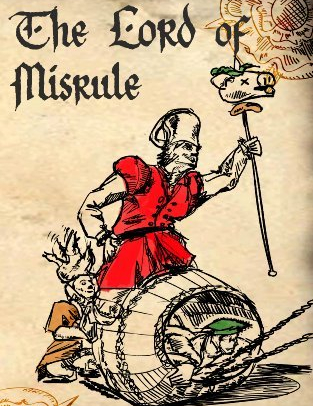
Lord of Misrule: the presidency of Isaias Afwerki

Written by


Lord of misrule

There is an ancient European tradition of appointing a ‘master of misrule’ to conduct the celebrations around Christmas and New Year. He was probably a rather jolly figure: sadly the same cannot be said for the Eritrean president. But one thing seems certain – he is someone who thrives on misrule.

Consider this. When Prime Minister Abiy made his pathbreaking visit to Asmara in June this year he received a raptuous reception. Then President Isaias made a similar visit to Addis Ababa. Since then there have been a series of meetings involving Ethiopia, Eritrea and Somalia. It seemed for a moment that a new era of peace might be dawning.

Peace brings its challenges

But peace might be more difficult for President Isaias than crisis and confrontation.

Without an external threat, why continue indefinite national service in Eritrea? Tens of thousands of young men and women might return to their communities. What work would be found for them and what would happen if they discovered that their future was still bleak?

If there was no threat from Ethiopia pressure would increase for constitutional rule in Eritrea. The National Assembly could be recalled and there would be pressure for the country to hold its first ever elections.

There would also have to be the transfer of border communities all along the Eritrea-Ethiopia border, to conform to the new boundary established between the two countries.

These prospects would have been deeply troubling for President Isaias, who is a past-master at manipulating situations when they are complex, difficult and in crises. Peace and stability would be an entirely new situation for him.

Crises return

Luckily for the president, events have come to his aid.

Ethiopia is in turmoil, with vast numbers of people forced to flee as ethnic groups jostle and fight for their rights as the authoritarian rule from the centre weakens.

The Tigrayans – once such solid allies of Eritreans – are facing threats as their lands are challanged. The TPLF, with whom the EPLF fought side by side to overthrow the Derge, are in real trouble with their neighbours. There is a return to the old hostilities that once set the TPLF and EPLF apart, with the Eritrean authorities now gloating about the problems that beset their southern neighbours.

Meanwhile, Sudan, which closed its border with Eritrea earlier this year, is also in the throes of a crisis.

So President Isaias can end the year quietly satisfied. He has neighbours in crises. He can argue that Eritrea is still facing threats from abroad and cannot afford to relax. Vigilance and patriotism must – once more – trump human rights and democracy.

All this is likely to be reflected in his anticipated New Year’s message.

But who knows? Perhaps this is quite wrong and President Isaias will anounce a programme of radical reform and renewal. The Constitution will be enacted, opposition parties will be allowed to return to the country, political prisoners and journalists liberated from the dungeons in which they languish and free and fair elections will be held.

I am not holding my breath.

We might conclude by recalling a poem of the great Alexandrian, C.P. Cavafy.

Waiting for the Barbarians


Translated by Edmund Keeley
What are we waiting for, assembled in the forum?
       The barbarians are due here today.
Why isn’t anything going on in the senate?
Why are the senators sitting there without legislating?
      Because the barbarians are coming today.
      What’s the point of senators making laws now?
      Once the barbarians are here, they’ll do the legislating.
Why did our emperor get up so early,
and why is he sitting enthroned at the city’s main gate,
in state, wearing the crown?
      Because the barbarians are coming today
      and the emperor’s waiting to receive their leader.
      He’s even got a scroll to give him,
      loaded with titles, with imposing names.
Why have our two consuls and praetors come out today
wearing their embroidered, their scarlet togas?
Why have they put on bracelets with so many amethysts,
rings sparkling with magnificent emeralds?
Why are they carrying elegant canes
beautifully worked in silver and gold?
      Because the barbarians are coming today
      and things like that dazzle the barbarians.
Why don’t our distinguished orators turn up as usual
to make their speeches, say what they have to say?
      Because the barbarians are coming today
      and they’re bored by rhetoric and public speaking.
Why this sudden bewilderment, this confusion?
(How serious people’s faces have become.)
Why are the streets and squares emptying so rapidly,
everyone going home lost in thought?
      Because night has fallen and the barbarians haven’t come.
      And some of our men just in from the border say
      there are no barbarians any longer.
Now what’s going to happen to us without barbarians?
Those people were a kind of solution.

Eritrea has partially closed two border crossings with Ethiopia that opened this year after the former East African rivals made peace and restored relations, an Ethiopian official said Friday.

Thousands of people have crossed the border that had been closed for two decades, with traders pursuing brisk business and families reuniting after years apart. The crossings opened with fanfare in September as both countries said they would remove their troops.

It was not clear why Eritrea closed the crossings to Ethiopians, spokeswoman Liya Kassa with Ethiopia's northern Tigray region told The Associated Press. She said Eritreans were still crossing freely.


The Zalambessa and Rama crossings were closed as of Wednesday morning and preliminary information "indicates it was closed from the Eritrean side," she said.

Eritrean border officials are now asking Ethiopian travelers to provide a travel document issued by federal authorities, she said. "We have communicated the issue with the federal government and we were told they don't have any information about it," she added. "Only Ethiopians are facing the restrictions."

Eritrean officials were not immediately available for comment.

Ethiopia's foreign ministry spokesman on Thursday told reporters he had no information about the new border restrictions. Photos posted on social media show stranded buses and trucks at the two crossings.

Abraham Gedamu, an Ethiopian traveler who went to Zalambessa to cross into Eritrea for a religious event, said he was denied entry on Thursday morning.

"They said I have to wait because they are drawing up a new travel directive. Several hundred others are facing the same issue," he told the AP by phone.

Ethiopia and Eritrea restored relations in June after Ethiopia's new prime minister, Abiy Ahmed, assumed power in April and fully accepted a peace deal ending a bloody border war from 1998 to 2000. Dramatic changes followed, with Abiy and longtime Eritrea President Isaias Afwerki visiting each other's capitals and embracing while phone lines opened and air links resumed.

The international community welcomed the new peace that has led to further diplomatic breakthroughs in the often turbulent Horn of Africa region. In November, the U.N. Security Council voted unanimously to lift sanctions against Eritrea after nearly a decade.

"Eritrea recognizes that a more difficult and complex task is waiting ahead," Eritrea's Charge d'Affaires Amanuel Giorgio said after the council's vote. "It is determined to redouble its own efforts and work closely with its neighbors to build a region at peace with itself."

Source=https://www.foxnews.com/world/eritrea-closes-border-crossings-to-ethiopian-travelers

Friday, 28 December 2018 13:09

Radio Demtsi Harnnet Kassel 27.12.2018

Written by

ርእሰ-ዓንቀጽ ሰዲህኤ

“እምኒ ክትከይድ እንከለኻ ኣዕንቂፋትካ፡ ክትምለስ እንከለኻ እንተደጊማትካ ንስኻ ኢኻ እምኒ” ዝብል ኣዘራርባ ካብ ተመኩሮኻ ናይ ዘይምምሃር ኣሉታዊ ሳዕቤን ዘረድእ እዩ። “መለበምን ኣይግበርካ መለበሚ ግና ኣይኽላእካ” ዝብል ኣበሃህላ ኣይኮነንዶ ካብ ናትካስ ካብ ናይ ካለኦት ተመኩሮ ምምሃር ዘለዎ ኣገዳስነት ዝምዕድ እዩ። ኣብ ኤርትራዊ ተመኩሮና ካብ ተመኩሮኻ ናይ ዘይምሃር ድኽመት ንኹልና ዘግደዓና እዩ።

ዲክታቶር ኢሳይያስ ምእንቲ ህዝቢ ኤርትራ ዘይኮነ ምእንቲ ልዕልናኡን ስልጣኑን፡ ነዊሕ ዝርዝር ዘለዎ እንተንመሃረሉ ካባና ሓሊፉ ንኻልእ እውን መሃሪ ክኸውን ዝኽል ተደጋጋሚ ደቛሲ ተግባራት ከካይድ ጸኒሑ እዩ። ሕጂ እውን ካብዚ ናይ ጥፍኣት ሓዲድ ኣይወጸን። ብስም መንካዕ ዝፈጸሞ ግፍዒ፡ ብስም የሚን ዝፈጸሞ በደል፡ ንተጋድሎ ሓርነት ኤርትራ ምስ ናይ ግዳም ሓይሊ ኮይኑ ንምጥፋእ ወጢኑ ዝሰርሓሉ፡ ኣብ ድሮ ምእዋጅ ውጽኢት ረፈንዶም ዘካየዶ ሽሕጣን፡ ኣብ ልዕሊ ስንኩላን ማይሓባር ዘርኣዮ ጭካነ፡ ኣብ ልዕሊ ጉጅለ-15ን ናይ ብሕቲ ሚድያ ጋዜጠኛታትን ዝወሰዶ ምድጓን፡ ተበግሶ ወዲዓልን ብጾቱን ንምድቋስ ዝኸዶ መንገዲ፡ ማእሰርቲ ብርሃነ ኣብርሀ ኣብ ማእከል ኣስመራ ካብእቶም ብግህዶ ዝተራእዩ ኮለፍቲ ስጉምትታት ዝጥቀሱ እዮም። ካለኦት ብሰላሕታ ስለ ዝተወስዱ ብህዝቢ ዘይፍለጡ ጸይቅታት ከኣ ኣዲኦም ትቑጸሮም። እቲ ናይ ክድዓትን ሸፈጥን ምርጫ ዲክታቶር ኢሳይያስ ሕጂ እውን ኣይተዓጽወን። ኢሳይያስ ቀጻልነቱ ኣብዚ እኩይ ኣሰራርሓ ዝተመስረተ ስለ ዝኾነ፡ ኣብ መጻኢ እውን ትንፋሱ ካሳብ እትሓልፍ ካብ ጸይቂ ንድሕሪት ኣይከብልን እዩ። እቶም ነዚ መንገዲ ጸይቂ ክንዓጽፎ ዝግባኣና እቶም ናይቲ ጸይቂ ተግባራቱ ግዳይ ኮይንና ዘለና ህዝብን ሃገርን ኢና።

ኣብ ደንበ ተቓውሞና ዝረአ ድኽመት ብዙሕ’ኳ እንተኾነ ካብ ተመኩሮኻ ናይ ዘይምምሃር ሕጽረት ዓብይ እጃም ከም ዘለዎ ኩነታትና ዝምስክሮ ዘሎ ሓቂ እዩ። ካብ ተመኩሮና እንተንመሃር ክንገብሮ ዝነበረና ብዙሕ ክኸውን እንከሎ፡ ናይ ሓባር ዕማም እንዳሃለወና ብሓባር ዘይምስራሕና ከም ናይ ድኽመትና ገላጺ ኣብነት ክውሰድ ይኽእል። ብሰንኪዚ ካብ ተመኩሮና ዘይምምሃርና ከኣ ብዙሕ ክንሰርሓሉ ዝነበረና ዕድላትን ግዜን ኣምኪና ኢና። ግዜ ብማዕረ ዝወሃበካ እምበር፡ ነቲ ንዓኡ ተጠቒምካ ሰሪሕካ ከተቃንዖ ዝግበኣካ ኣይሰርሓልካን እዩ። እነሆ ከኣ ግዜ ብማዕረ ተዋሂቡና ክነሱ ገለን ሰሪሖምሉ ኣብቲ ክበጽሕዎ ዝደልዩ ክበጽሑ እንከለዉ፡ ንሕና ከኣ ኣብ ውሱን ርሕቀት ነኹድድ ኣለና።

ካብ ተመኩሮኻ ምምሃር ብዙሕ መልከዓት ዘለዎ ኮይኑ፡ ነቲ ኣብ ሓደ መድረኽ ዘየዕወተካ ኣተሓሳስባ፡ ብዝሓሸ ኣተሓሳስባ ክትትከኦ ናይ ምብቃዕ ክእለት እዩ። ሓድሽ ኣተሓሳስባ ንምትእትታው ከኣ፡ ኣብ ክንዲ ንሕሉፍ ከም መምሃሪ ወሲድካ ንቕድሚት ምምዕዳው፡ ኣብ ሕሉፍ ክትጸባጸብ ግዜኻን ዓቕምኻን ምብኻን፡ ኣብ ክንዲ ህዝባዊ፡ ግላዊ ወይ ጉጅላዊ ስምዒትካ ምቕዳም፡ ኣብ ክንዲ ምክእኣልን ምጽውዋርን ኣብ ዘየፍሪ ህልኽ ምኹዳድ ናይ ግድን ክንስዕሮም ይግበኣና። ነዚ ኣብ ዝበቓዕናሉ ኣፍና መሊእና ካብ ተመኩሮና ተማሂርና ክንብል ንኽእል። ካብዚ ሓሉፉ ኣብ ባይታ ተዘሪኡ ምብቋል ዝኣበየ መኻን ኣተሓሳስባ መመሊስካ እንተኳማሳዕካዮ ውጽኢት የብሉን። ኣረጊትን ሓድሽን ኣተሓሳስባታት ኣዳዊስካ ምኻድ ከኣ ውጽኢቱ ውድቀትዩ ዝኸውን። ካብቲ ኣረጊት ኣተሓሳስባ ብዘየዳግም ክንወጽእ ከይበቓዕና ሓድሽ ኣተሓሳስባ ከነተኣታቱ እንተደለናዮ እውን ኣይከኣልን እዩ።

ኣብ ከምዚ ንዕዘቦ ዘለና ብብዙሓት ጸለውቲ ረቛሕታት እሞ ብቕልጡፍ ዝቀያየር ዘሎ ፖለቲካዊ ምዕባለ፡ ክትተዓጻጽፍ እንተዘይበቒዕካ፡ ግዜን ዕድልን ክገድፈካ ንስኻ ድሕሪት ክትተርፍ መወዳእታን ውጽኢትን ዘየብሉ ጉዕዞ እዩ ዝኸውን። እቲ ኣብ ተመኩሮና ኣዝዩ ዝገርም ከኣ፡ እቲ ዝኸበደ ጠንቂ ሕማምካ እንታይ ምዃኑ እንዳፈለጥናዮ መፍትሒ ኣብ ምምጻእ ሒቕ ምባል እዩ። ሓጺር ኣብነት ንምጥቃስ፡ ኩለን ውድባትና ብሓባር እንተዘይወፊረን ማዕረ ባህጊ ህዝብና ከፍርያ ከምዘይክእላ ይፈልጣ እየን። ነዚ ተረድኦ ምግንዛበን ሓደ ስጉምቲ ንቕድሚት እዩ። ነዚ ተርዲእካ ብሓባር ብዘሰልፍ ስጉምቲ እንተዘይኣሰኒኻዮ ግና፡ ሕማምካ እንዳፈለጥካ ሰኣን ዝተኣዘዘልካ መድሃኒት ብግቡእ ምውሳድ ካብ ሙማት ፈሊኻ ዝረአ ኣይኮነን።

እቲ ኩነታት ነዊሕ ግዜ ዝወሰደ’ኳ እንተኾነ፡ ሎሚ ሃገርና ናይ ብዙሓት ኣጀንዳ ኣብ ዝኾነትሉ ደረጃ ንርከብ ኣለና። እቲ ኣጀንዳነታ ግና ከቢድ ሓላፍነት ዘሰክመና ኣሰካፊ እምበር ዘቕስንን ዘሐብንን ኣይኮነን። ሕሱም ግህሰት ኩሉ መሰረታዊ መሰላት፡ ብዝሒ ስደተኛታትን ኣብያተ-ማእሰርትን፡ ብኩራት ልዕልና ሕጊ፡ ዘይቅሱን ሃለዋት ምስ ጐረባብቲ፡ ቁጠባዊ ድቀት ኮታ ኩሎም ናይ ወጽዓ ነጸብራቓት እዮም ንሃገርና ብኣጀንዳነት ኣብ ቅድሚት ሰሪዐሙዋ ዘለዉ። ኣብዚ እዋንዚ  ርኢና ከም ዘይረኣና ኮይና ከነጽቅጥ እንተዘይደሊና፡ ኣይኮነንዶ ንዓና ንኤርትራውያን ንዝሰምዖ ፍጡር እውን ዘቕስን ኣይኮነን። ስለዚ ካብዚ ብተመኩሮኻ ናይ ዘይምምሃር ሕማቕ ተመኩሮ ወጺእና፡ ካብ ተመኩሮና ተማሂርና ሓድሽ ሓድነታዊ ኣተሓሳስባ ከነመንጩ ኣብ እንግደደሉ ግዜ ዘይህብ  ህሞት ምህላውና ነስተብህል።

Thursday, 27 December 2018 20:27

Eritrea denies planning to send troops to Somalia

Written by

December 27, 2018 News

The Eritrean government has finally given a definitive answer to the question of whether it will send its forces into Somalia.

This follows the publication of a story in Africa Confidential.

The Ministry of Information put out this statement:

Indian Ocean Newsletter: Yet another Wild Allegation

In its publication of 21 December, (No 1488), this month, the Indian Ocean Newsletter alleges that “the Ethiopian and Eritrean Presidents (sic?)  have indicated to their Somalian counterpart… their willingness to take over from AMISOM when it departs in 2021…..Eritrea is planning to dispatch 5,000 soldiers to Somalia as soon as the first AMISOM contingents leave in February”.

This is patently false.

Moreover, this is not the first time for the ION to churn out false and unsubstantiated “news analysis” of events and trends in our region.  Indeed, this has become almost its trademark.

The ION’s penchant to disseminate false information will not serve any purpose and can only corrode its reputation.  In the event, we call on the ION to respect its readers and desist from spreading false news.

Ministry of Information
Asmara
26 December 2018″

A denial a month late

What is odd about the Ministry of Information statement (echoed by Tesfanews) is that it is so slow.

The story on this website [reproduced below] was published a month earlier. It would have been easy for the Ministry to correct any misperception then: it chose to wait until Africa Confidential ran with the story. Fair enough – that is the Ministry’s choice, but it can’t complain when a) it is so late with any news and b) refuses to have any reputable foreign news correspondent based in the country. All foreign news organisations – including the BBC, Reuters, AFP, AP, Al-Jazeera etc. – are only allowed into Eritrea on an occational basis.

For the record, the article published on this website made it clear in its first sentence that there was no firm evidence of Eritrean troops being deployed to Somalia – only signs that Somalia might issue such an invitation. [reproduced in full below]


There is no firm evidence, but the signs are that Somalia may be about to invite Ethiopia and Eritrea to send troops into its territory to replace the African Union’s AMISOM forces that are due to depart.

If this is confirmed, then the discussions between Somalia, Ethiopia and Eritrea in the Ethiopian town of Bahr Dar on 9th of November might be among the most important held in the region in recent years. They could see a re-shaping of the political relations in the Horn of Africa.

The three leaders, Prime Minister Abiy Ahmed, President Mohamed Abdullahi Farmajo, and President Isaias Afwerki were not in the city to enjoy the tourist sites on Lake Tana and the Blue Nile. At the end of their talks they signed an agreement.

These were the key sentences.

“They noted with satisfaction the tangible and positive outcomes already registered, and agreed to consolidate their mutual solidarity and support in addressing challenges that they face individually and collectively. In this regard, they stressed the importance of respecting the sovereignty, territorial integrity and political independence of Somalia as well as their firm support for the Somalia people and Federal Government of Somalia and all its institution.”

This was hardly transparent, but they may presage an invitation from the Somali government for Eritrean and Ethiopian soldiers to be based on its territory.

A brief recap

The African Union Mission in Somalia – AMISOM – is going ahead with plans to withdraw its troops in February next year. By December 2020, all AMISOM combat troops are scheduled to leave all of Somalia’s cities, towns, and villages that they’ve liberated from the al-Shabaab terrorist organization.

Amisom Somalia

Troops from Uganda, Ethiopia, Djibouti, Kenya and Burundi, are currently deployed across the country, funded by EU and UN.

They fight alongside the Somali National Army, and continue to take casualties. They protect the Somali government and keep roads connecting the Somali capital to the regions. Their forces have liberated towns from al-Shabaab including Mogadishu, Kisimayo, Beletweyne and Baidoa.

Backed by US air and drone strikes, they have held al-Shabaab at bay. But the Islamists are by no means defeated.

Progress has been slow and difficult. “Somalia is like cleaning a pig,” one Ugandan AMISOM colonel told a reporter Foreign Policy. “You clean it, and it gets dirty.”

Everyone has attempted to train the Somali army. Turkey has a military academy, so too does Qatar. Egypt, Britain and the USA provide training. But what have they achieved? Arms and ammunition supplied to the Somali national army disappear – only to re-appear on the hands of al-Shabaab. The army’s communications systems are tapped by the Islamists.

Without AMISOM can President Farmajo survive?

This is an issue for the whole of the region and beyond. Keeping Islamists at bay has been a critical element in the American war on terrorism.

The US effort has been bolstered by the deployment of one of its most respected and knowledgeable diplomat  to the region.

Donald Yamamoto is the new ambassador to Somalia, and he is a heavyweight. Yamamoto played a key role in the reconcilliation between Ethiopia and Eritrea.

He was joined in Mogadishu by the head of US Africa Command in Mogadishu, General Thomas Waldhauser.

USA Somalia

So, will Ethiopia and Eritrea ride to the rescue?

As indicated at the start of this article there is no hard evidence. But with AMISOM winding down its operation, there are suggestions that Ethiopia’s Abiy Ahmed that his forces establish a military base inside Somali during the talks at Bahir Dar. President Farmajo is said to have agreed to the idea, with the town of Merca as a possible site.

The idea of Ethiopian forces being in Somalia has been around for nearly two decades. It was in November 2000 that the then Somali President, Abdiqassim Salad Hassan visited his opposite number, Meles Zenawi. It was the first visit to Ethiopia by a Somali head of state since 1974.

Since then Ethiopian troops have been in and out of Somalia, attempting to resist Islamist insurgents and – more recently – to bolster the Somali government.

For its part, Eritrea has played a double role in Somalia. There is evidence that it provided training and arms for al-Shabaab until this was uncovered by UN Monitors in 2011.

As their report stated: “While the Eritrean Government acknowledges that it maintains relationships with Somali armed opposition groups, including Al-Shabaab, it denies that it provides any military, material or financial support and says its links are limited to a political, and even humanitarian, nature.” The UN exposure did the trick and the Eritrean backing for al-Shabaab ended.

Now, it appears, President Isaias is considering sending his forces into Somalia to support President Farmajo.

Eritrea Somalia 1

Their forces could be joined by the Ugandans, who are already supplying most of the AMISOM troops. A visit to Kampala in November appears to have cemented these ties.

If all these developments come together it is possible to imagine the following:

  • Eritrean and Ethiopian forces replacing AMISOM, with a continuing Ugandan presence.
  • Ongoing backing for the Somali government by the various outside powers, including the USA, UK and Turkey.
  • The retention of Kenyan forces in Jubaland, which they have controlled since 2011.

Will this be enough to keep President Farmajo in power? Perhaps. It is hard to be more definitive when so much is still up in the air.

EPDP Magazines