OPINION

  | June 11, 2020 05:41 PM

It is often forgotten that the worst dictators are often, early in their careers, lauded as reformers. In Iraq, Saddam Hussein was initially embraced as a “pragmatist” by diplomats and journalists alike. In 1991, the Norwegian Nobel Committee awarded Burmese dissident Aung San Suu Kyi the Nobel Peace Prize; only in subsequent decades would she expose herself as an apologist for ethnic cleansing. Of course, she is not the only figure to sully the preeminent peace prize’s legacy.

In Africa, the trend of reformists becoming dictators has been especially acute.

In April 1976, Secretary of State Henry Kissinger declared that the United States supported black rule in Rhodesia, today’s Zimbabwe. He was cautious about Soviet and Cuban inroads among certain liberation movements. President Jimmy Carter, however, had no such caution. He drew parallels between Robert Mugabe’s Marxist Zimbabwe African National Union and the civil rights fight in the U.S. South. Mugabe was, therefore, a reformer and a social justice warrior. Many officials likewise greeted Isaias Afwerki as a democrat and reformer when he became Eritrea’s first president upon its 1993 independence. Indeed, Bill Clinton congratulated his Eritrean counterpart on “Eritrea's good start on the road to democracy and free markets” when, in 1995, they met in the Oval Office. Diplomats likewise once praised Rwandan leader Paul Kagame for his progressive attitudes toward women and liberal approach to the economy, but most human rights groups today criticize him for intolerance to dissent and human rights abuses.

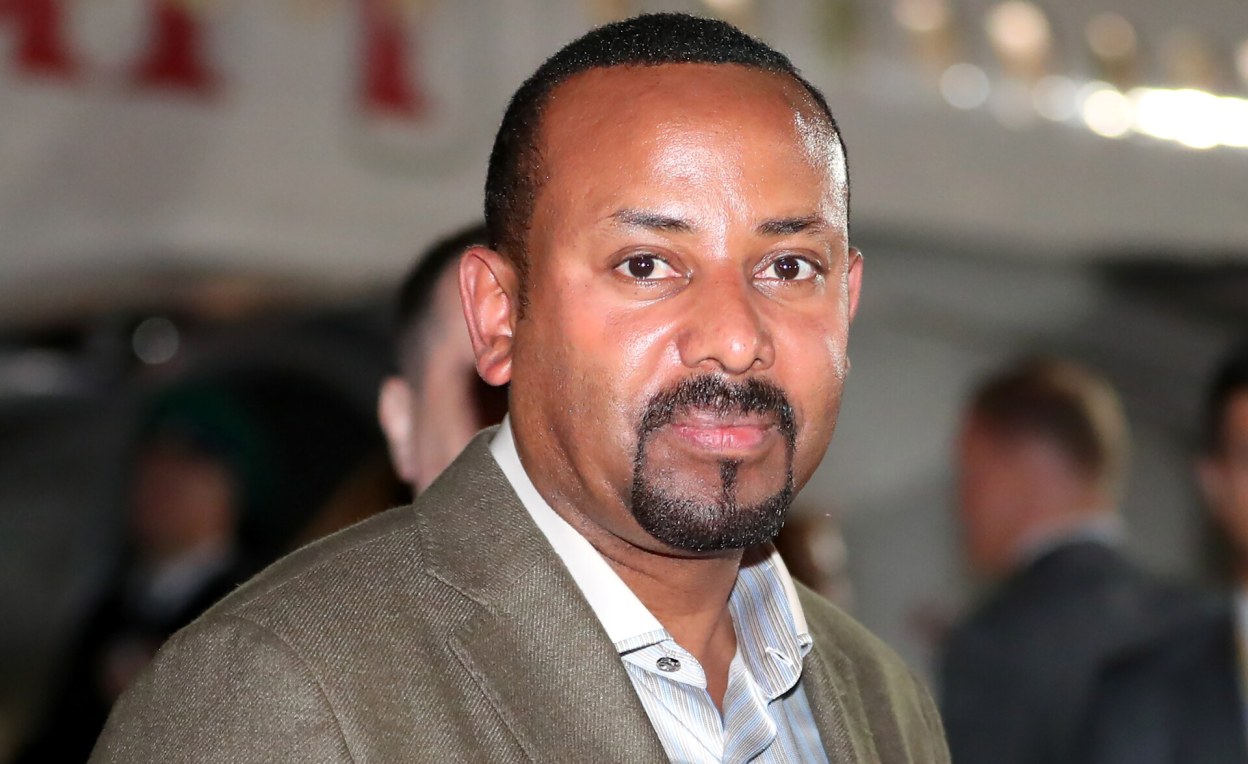
Now, it appears, another Nobel laureate, Ethiopian Prime Minister Abiy Ahmed, may be heading down the same path. Perhaps buoyed by the praise he receives on his frequent post-Nobel trips abroad, Abiy on Wednesday announced that he would remain in office beyond the end of his term. For all of Abiy’s enthusiastic and, at times, naive peacemaking abroad, his tenure has exacerbated ethnic tensions at home. Reelection was no certainty, but his decision to seek to hold power extra-constitutionally could precipitate conflict in Africa’s second-most populous country.

Not to be outdone, Somali President Mohamed Abdullahi Farmajo has also signaled he seeks to delay elections and remain in power. Farmajo’s tenure has already seen a backsliding of democracy and resurgence of the al Qaeda-affiliated al Shabab terror group. If the deeply unpopular Farmajo tries to hold onto power, he will return Somalia into full-blown civil war.

The U.S., in recent years, may have diminished presence on the world stage, but the cards the White House and State Department have still matter. From a realist standpoint, Abiy and Farmajo are both weaker than they themselves admit or realize. Abiy may seek to become the new Mugabe, and Farmajo the new Siad Barre, but their respective peoples will not stand for it. Unbridled ambition will lead to civil war in their respective states. This is in no one’s interest. Rather than promote silly photo-ops with regional presidential summits, like that which the State Department’s Bureau of African Affairs plans for this coming week in Djibouti, the U.S. government should signal both to Abiy and Farmajo that they risk pariah status if they continue their undemocratic tendencies.

Central to President Trump’s international philosophy is the idea of restraint: The U.S. should not deploy its forces across the globe in pursuit of agendas that do not directly impact the security of the American homeland. In these troubled economic times, that makes sense, but it requires effective diplomacy now to avoid scenarios where state failure mandates far more expensive responses. The best way to promote regional security is to continue to cultivate democracy and provide a peaceful mechanism for ordinary citizens to hold ineffective leaders and would-be dictators to account.

Michael Rubin (@Mrubin1971) is a contributor to the Washington Examiner's Beltway Confidential blog. He is a resident scholar at the American Enterprise Institute and a former Pentagon official.

Source=https://www.washingtonexaminer.com/opinion/democracy-imperiled-in-africa-by-reformers-turned-dictators

Source

 
Posted
 
12 Jun 2020
 
Originally published
 
12 Jun 2020

Overview

• East Africa is currently experiencing a desert locust outbreak of an unprecedented nature. The outbreak, which began in January 2020, is now in its second phase, with FAO projecting that this phase could be 20 times worse than the first one. Already, tens of thousands of hectares of farmland and pasture have been damaged by locusts in Djibouti, Eritrea, Ethiopia, Kenya, Somalia, South Sudan and Uganda.
Given that most of these countries are heavily reliant on agricultural production, this outbreak could not only threaten the livelihoods and food security of residents, but the respective countries’ economies as well.

• The triple threat of COVID-19, floods and locusts poses a major threat to food security in East Africa. These shocks do not just have immediate, short-term effects, they exacerbate prevailing food insecurity and undermine livelihoods and development gains that took years to build.

• WFP estimates that 20 million people are food insecure in nine East African countries: Ethiopia, South Sudan,
Kenya, Somalia, Uganda, Rwanda, Burundi, Djibouti and Eritrea. WFP projects that the number of food insecure people in the region could increase to 34 million or more in the coming months due to the impact of COVID-19, locusts and flooding

• The region is now seeing the spread of swarms of desert locusts that may eat crops in many countries before the main harvest from July to September. FAO currently projects that an additional 1.5 to 2.5 million people could become severely food insecure as a result solely of locust outbreaks.

• WFP anticipates a localized impact on the harvest, though at this stage the impact is still uncertain pending on control operations, locust surveillance and other factors such as wind and weather conditions.

• The restrictions imposed by countries in the region to contain COVID-19 are creating logistical challenges to the supply of pesticides, bio-insecticides and delays in obtaining equipment for control operations

WFP Preparedness

• At a regional level, WFP works through the Food Security and Nutrition Working Group to harmonize methodologies and tools for ongoing ground impact assessments, food security projection and reporting on the locust outbreak.

• WFP and FAO have worked together in a number of ways since the beginning of the locust crisis, including by supporting logistical capacity and opportunities for the triangulation of equipment. FAO has launched a regional appeal for the fight against desert locusts in the Greater Horn of Africa and Yemen amounting to US$231 million for the period January to December 2020. This appeal aims at enhancing gains made in surveillance and control efforts, especially, in Ethiopia, Kenya and Somalia, which are the three worst affected countries in the region.

• WFP is assessing the situation closely and preparing more detailed estimates on potential locust-related requirements for our country level responses together with FAO, the World Bank and governments.

• WFP is supporting ongoing food security assessments in the affected countries which are seeking to quantify the impact the locusts are having on food production and availability. While these assessments will further inform response strategies, anticipated needs are already being incorporated within the existing Humanitarian Response Plans (HRPs) in the affected countries. The support to affected communities will include a combination of relief, social protection and livelihood support interventions, in conjunction with the host Governments and FAO

• In East Africa, WFP’s existing funding requirements for the next 6 months are US$813 million. However, as the impacts of COVID-19 deepen and new swarms continue to spread, needs are expected to increase significantly.

Source=https://reliefweb.int/report/ethiopia/wfp-east-africa-update-desert-locust-outbreak-12-june-2020


ኣብ ኤርትራ ዝገዝእ ዘሎ ጉጅለ፡ ንገለ ዘርብሕ ነቲ ካልእ ከኣ ዝብድል ዘይኮነ፡ ንኩልና ኤርትራውያን ብሓባር ዝብድል ናይ ሓባር ጨቋኒና እዩ። ንሱ ግና ምግዛእና ምእንቲ ክጥዕሞ ዝተፈላለየ መከፋፈሊ ሜላታት እንዳፈጠረ፡ ናይ ሓደ ወገን ደጋፊ ናይቲ ካልእ ወገን ከኣ ነቓፊ መሲሉ ካብ ምቕራብ ዓዲ ኣይውዕልን። ሃይማኖት፡ ኣውራጃ ዓሌት፡ ዕድመ፡ ጾታ ንዝኣመሰሉ ናይ ብዙሕነትና መርኣያታት ከከም ኣድላይነቱ ኣብ ምክፍፋልና ዝጥቀመሎም ዝህቅኖም እዮም።

ኣብ ሓደ እዋን እዚ ብዘብለጭልጭ ሕብሪ ቀባቢኡ ዘቕርቦ ዝነበረ ከፋፋሊ ኣካይዳኡን ዘይትግበር መብጸዓታቱን ብገለ ግሩሃት ተቐባልነትን ነይርዎ እዩ። ብሰንክዚ ከፋፋሊ ኣካይዳኡ ውሱን ባይታ ምርካቡ ከኣ ኩሎም ኤርትራውያን፡ ረብሓኦም ሓድነት፡ ናጽነትን ሓርነትን ክነሱ፡ ኣብ ሕድሕዶም ተረሓሒቖምን ተጻሊኦምን ጥራይ ዘይኮነ፡ ስንብራቱ ብቐሊሉ ኣብ ዘይሃስስ ረጽምን ጐንጽን ዝኣተውሉ ተመኩሮ ኣሕሊፎም እዮም። ሎሚ ድሕሪ ነዊሕ ተመኩሮ ግና፡ በቲ ሓደ ወገን ንቕሓትን ተመኩሮን ህዝቢ ኤርትራ ብዛዕባዚ ጉሒላ ጉጅለ ስለ ዝዓበየ፡ በቲ ካልእ ወገን ከኣ ናይቲ ጉጅለ፡ ከፋፋሊ፡ ጨካን፡ ዓመጸኛ፡ ሸፋጥን ጠላምን ባህሪ ብተግባሩ ኣብ ደባባይ ስለ ዝወጸ፡ “ኩሉ” ኢልካ ምጥቕላልኳ ዘጸግም እንተኾነ ህዝቢ ኤርትራ  ንህግዲፍ ንከጽድፎ ኣንጻሩ ክስለፍ እንከሎ “ኣብ ክንዲ ዘጽድፍዎ፡ ዝድግፍዎ” ሒደት ካብ ስኽራን ዘይተመልሱ የለዉን ማለት ኣይኮነን።

እቲ ጉጅለ ግና ከምቲ “ሓሶትን ስንቅን እንዳሓደረ ይፈኩስ” ዝበሃል፡ ከፋፊልካ ዕድመ ስልጣንካ ናይ ምንዋሕ ጽሓዩ ትዓርብ  ከምዘላኳ እንተዘይሰሓቶ፡ ቁልቁል እንዳ ተነቑተ ስቕ ኢሉ ክዕዘብ ስለ ዘይክእል፡ ሜላታት ቀይሩ ህዝቢ ንምክፍፋል ላዕልን ታሕትን ካብ ምባል ዓዲ ኣይወዓለን። ነዚ ንምዕዋት ከኣ ኣብ ልምዓትን ረብሓ ህዝብን ክውዕል ዝግበኦ ዝነበረ ገዚፍ ንዋት መዲቡ፡ ሓንሳብ ካብ ህዝቢ ምስ ረሓቑ ናብ ንቡር ህይወት ምምላስ ዘጸገሞምን ህዝቢ ካብ ምብዳል ዝዕንገሉን ልኡኻቱ መዲቡ፡ ሓድነት ህዝብና በቲኑ ብጽሒቱ ንምውሳድ ካብ ምዕልባጥ ዓዲ ኣይወዓለን። ካብዚ ሓሊፎም እቲ ጉጅለ ከምቲ ቀደም ዝንገሮም ዝነበረ፡ ጥዑይ መሲልዎም ኣብቲ ስዑር ሕዛእቲ እንዳኹደዱ፡ ኣብ ክንዲ  ዘጽድፍዎ ዝድግፍዎ ሓሓሊፎም ይረኣዩ እዮም።

ነዚ ብዝምልከት ኣብነት ክኾነና፡ ኣብዚ ቀረባ መዓልታት ምስ ሓደ ከምቲ “ብዘበን ውበ ዝጸመመስ ውበ ክብል ይነብር” ዝበሃል፡ ርእዩ ከምዘይረኣየ ኮይኑ ናብ ልቡ ምምላስ ዘጸገሞ ኤርትራዊ ከነዕልል ጀሚርና። ውዝቢ ኣብቲ ዕላልና “ኣብ ኤርትራ ፍትሒ ኣሎዶ የለን?” ዝብል ጉዳይ ኣልዒልና። ናተይ ርኢቶ ፍሉጥ እዩ። እቲ ምሳይ ዘዕልል ዘሎ ንቡር ሰብ መሲሉኒ፡  ድሕሪ ውሱን መብርሂ “ኣብ ኤርትራ ደኣ እንታይ ፍትሒ ኣሎ” ኢለ ደምደምኩ። እቲ ምሳይ ዕላል ዝጀመረ ከኣ ነዓይ ከምዚ ብዛዕባ ኤርትራ ዘይፈልጥ ገይሩ ብምውሳድ “ፍትሕን ሰላምን ደኣ ከም ኣብ ኤርትራኸ ኣበይከ ኣሎ” ክብለኒ ጀመረ። ድሕሪዚ ኣብ ከውሒ ከም ዝጸመድኩ ተረዲአ፡ ኮንደኾን ይዕገሰለይ ኢለ፡ “ፍትሒ እንተዝህሉ ደኣ ስለምንታይ በዓል እገለ ክሳብ ሎሚ ብዘይፍርዲ ተኣሲሮም ኣለዉ?” ኢለ፡ ንገለ ፍሉጣት ኣባላት ጉጅለ-15 ጠቒሰ ሓተትኩዎ። እዚ ካብ ህግዲፍ ዕሙት ርኢቶን ባዶ ድፍረትን ዝወረሰ መተዓልልተይ፡ “ንሳቶም ደኣ ቀደም እንድዮም፡ ገሊኦም ንዕደመ-ልክዕ ማእሰርቲ ገሊኦም ከኣ ንሞት ብወዲ ኣፈወርቂ ተፈሪዶም” በለኒ። ድሕሪኡ እዚ ሰብ እቲ ሓድሽን ቁሩብ ርቕቕ ዝበለን ኣደጋግፋ ህግዲፍ ዘይኮነስ ኣብቲ ናይ ዘበን እኒእኒ ኣዳጋግፋ ከምዘሎን፡ ምስኡ ምዝራብ ኣብ ከውሒ ምጽማድ ምዃኑ ተገንዚበን፡ ነቲ ስቕ ኢሉ ዝዕዘብ ዝነበረ፡ ብናይቲ መማጽእቱ ኣዘራርባ ዝሓርበቶ ሳልሳይና ብዓይነይ ምልክት ገይረሉ ነቲ ጉዳይ ገዲፍናዮ ናብ ካልእ ዛዕባ ኣቲና።

“ኣደይ ዘዕጠቓኒ መቐነት ኣይፈትሕን” ዝብል ኣበሃህላ ናይ ጽንዓት ዘይኮነ ናይ ድርቅናን ዓሻ ህልኽን መግለጺ እዩ። “ገ እንዳበሉኻዶ ትጋገ” ከኣ ናይ ህድማ ዘይኮነ፡ ምዕባለታት ኣገናዚብካ ሚዛንካ ናይ ምትዕርራይ ውሕልነት እዩ። ኣብ ከምዚ ንሕና ኤርትራውያን ንርከበሉ ዘለና ኩነታት፡ ኣብ ሓደ እዋን ቅኑዕ መሲሉካ ዝረዓምካዮ ሚዛን፡ ደሓር ግና ብግብሪ ግጉይ ምዃኑ ምስ ተኣመንካ፡ “ደጊም የለኹሉን” ኢልካ መንገዲ ደሓን ምሓዝ ናይ መስተውዓልቲ እዩ። ከምኡ ስለ ዝኾነ እዮም ከኣ ብዙሓት ትማሊ ንህግዲፍ ዝድግፉዎ ዝነበሩ ኤርትራውያን ዝርሕርሕዎ ጥራይ ዘይኮነ፡ ኣንጻሩ ዝቃለሱ ዘለዉ። ብኣንጻሩ ሓደ እዋን ቅኑዕ መሲሉካ ዝሓዝካዮ መንግዲ፡ ባዕሉ ኣፍ ኣውጺኡ ግጉይ መንገዲ ምዃኑ እንዳነገረካ “ዋላ ትንፈር እምበር ጤል እያ” ብዝብል ኣምር ደሪቕካ፡ መሳርሒ ናይቲ ከተጽድፎ ዝግበኣካ ጉጅለ ደጋፊ ምዃን ናይ ጥዑያት ኣካይዳ ኣይኮነን።

ኣብዚ እዋንዚ ነቶም ነቲ ጉጅለ ኣብ ክንዲ ዘጽድፍዎ ዝድግፍዎ፡ ምኽንያት መደገፊኦም እንታይ ምዃኑ ሓቲትካዮም፡ ካብ እንጽርጽሮትን ምጉብዕባዕን ሓሊፎም ዕቱብ መልሲ የብሎምን። ምናልባት  ካብቲ  ዝምልከቶም ኤርትራዊ ኣጀንዳ ወጺኦም ወያነ ከምዚ ገበረት በዚ ሓለፈት ካብ ምባል ሓሊፎም ካልእ መልሲ የብሎምን።  እቶም ኣብ ክንዲ ዝድግፍዎ ከጽድፍዎ ዝቃለሱ ዘለዉ ኤርትራውያን ግና ነቲ ጉጅለ  ዝቃወምሉ ምኽንያት፡ ሕድሪ ሰማእታትን መብጸዓ ህዝብን ስለ ዝጠለመ፡ መሰል፡ ሓሳብካ ምግላጽ፡ ምውዳብ፡ እምነት፡ ምንቅስቓስ ስለ ዝኸልአ፡ መወዳእታ ኣብ ዘየብሉ ግዱድ ውትህድርና ስለ ዝንብር፡ ቋንቋ ፍትሕን ልዕልና ሕግን ስለ ዘይዛረብ፡ ኣብ ገዛእ ብመስዋእትኻ ዘውሓስካያ ሃገርካ ሰሪሕካን ነጊድካን ክትዓቢ ናጽነት ስለ ዝነፍግ፡ ምስ ዲሞክራስን ምርጫን ስለ ዘይቃዶ፡ ብሕጊ ዘይኮነ ብጉልበትን ዓመጽን ስለ ዝመርሕ፡ ኤርትራዊ ጉዳይ ገዲፉ ኣብ እንዳማቱ ኢድ ስለ ዘእቱ፡ ኣብ ልኡላውነት ሃገር ስለ ዝዋገ፡…….ወዘተ እንዳበሉ፡ ነዊሕ ናይ መልሲ ዝርዝር ከቕርቡ ይኽእሉ። ስለዚ እቶም ከጽድፍዎ ዝግበኦም ዝድግፍዎ ዘለዉ ሒደት ኤርትራውያን ሕጂ እውን ደንጉዮም እምበር፡ እቲ ግዜ ስለ ዘይሓለፎም ሃየ በሉ  ናብ ልብኹም ተመለሱ ንብሎም።

Friday, 12 June 2020 10:48

Radio Dimtsi Harnnet Kassel 11.06.2020

Written by

JUNE 11, 2020  NEWSWORLD BANK

Source: World Bank

This study shows the coincidence of aid and increases in holdings in off-shore tax havens. To put the findings crudely: when aid arrives, the funds in the tax havens increase – indicating that the aid has been diverted for corrupt practices.

This is what the study says – full report here.

In this paper, we study aid diversion by combining quarterly information on aid disbursements from the World Bank (WB) and foreign deposits from the Bank for International Settlements (BIS). The former dataset covers all disbursements made by the World Bank to finance development projects and provide general budget support in its client countries. The latter dataset covers foreign-owned deposits in all significant financial centers, both havens such as Switzerland, Luxembourg, Cayman Islands and Singapore whose legal framework emphasizes secrecy and asset protection and non-havens such as Germany, France and Sweden. Equipped with this dataset, we study whether aid disbursements trigger money flows to foreign bank accounts. In our main sample comprising the 22 most aid-dependent countries in the world (in terms of WB aid), we document that disbursements of aid coincide, in the same quarter, with significant increases in the value of bank deposits in havens. Specifically, in a quarter where a country receives aid equivalent to 1% of GDP, its deposits in havens increase by 3.4% relative to a country receiving no aid; by contrast, there is no increase in deposits held in non-havens. While other interpretations are possible, these findings are suggestive of aid diversion to private accounts in havens.

Letter from Eritrea Focus, Jubilee Campaign USA and  The America Team for Displaced Eritreans

President David Malpass

The World Bank Group

1818 H Street NW,

Washington, D.C. 20433

cc: Ethiopis Tafara

Acting Vice President

Integrity Vice Presidency

The World Bank Group

1818 H Street NW,

Washington, D.C. 20433

Dear World Bank President David Malpass and INT Vice President Ethiopis Tafara,

We, the undersigned, are a collection of individuals and organizations who collectively strive to promote religious freedom and human rights around the world. We would first like to express our gratitude to the World Bank for its leadership in continuously providing development assistance and aid to developing nations in order to encourage necessary economic and infrastructural development in such stagnating or slowly developing nations.

Keeping in mind the unending visible benefits and new opportunities that the World Bank’s provision of foreign development aid provides to hundreds of nations around the world, we would like to express our concern regarding the findings related to Eritrea In the February 2020 World Bank Policy Research Working Paper 9150, Elite Capture of Foreign Aid: Evidence from Offshore Bank AccountsThis report examined whether there is a visible and verifiable relationship between World Bank receipt of foreign aid to a certain country and correlating money flows from such countries to foreign banks, which suggests that corrupt elites are capturing the aid and pocketing it for themselves rather than using it for their nation’s development plans. This research found that “in a quarter where a country received aid equivalent to 1% of GDP, its deposits in havens [foreign banks in nations whose laws allow for secrecy regarding personal finances and private assets] increase by 3.4% relative to a country receiving no aid.”

In this policy paper, the World Bank Group determines that “aid disbursements are associated with wealth accumulation in offshore accounts” and that data leaks and tax documentation conclude that such accounts remain at the top of the wealth distribution and therefore that these accounts are owned by elites. Of greater interest, however, is that Eritrea is one of the nations whose statistics represents this corrupt phenomenon: in Eritrea, World Bank aid flows account for 3.2% of the annual GDP, the nation has 8 deposit accounts in foreign bank ‘havens,’ and the nation exhibits a 2.29% quarterly growth rate in deposits to foreign accounts.

We fear that the statistics raised in this policy paper reveal the extent to which corruption is an overwhelming political problem in Eritrea and, similarly, the extent to which the World Bank’s foreign aid directed to Eritrea is not utilized for its intended purposes, thus feeding increasing corruption. It is reprehensible that the funding provided by the World Bank to Eritrea for the purpose of development is simply being stockpiled in overseas banking institutions by wealthy elites and corrupt government officials to fund their personal expenditures and prop-up the oppressive authoritarian regime.

Eritrea is one of, if not the most, repressive nations on the African continent, and is a repetitive perpetrator of human rights violations. The most noteworthy and deplorable of these violations includes arbitrary and prolonged detention with no access to legal counsel and exposure to overcrowded prison conditions; curtailment of freedom of speech and expression, and targeting of independent journalists; harassment and imprisonment of religious minorities, as well state-supported mass closures of churches and houses of worship; and Eritrea’s infamous program of indefinite military and labor conscription forced upon the majority of the nation’s citizens, including men and women, who are forced to work extended hours in lifelong careers that the government chooses for them regardless of their interests or qualifications, where they are paid extremely insufficient wages and often experience substandard working conditions.

In addition to the World Bank’s acknowledgement of the growing corruption in Eritrea, Eritrea is consistently considered highly corrupt by Transparency International, and was ranked the 38th most corrupt nation in the world as of 2019. Such corruption hinders the advancement of the nation’s citizens, as Eritrea is recognized by numerous human rights organizations to be ‘the North Korea of Africa’ due to its fervent repression of civil, political, and social rights. Moreover, the 2017 Natural Resource Governance Index measures the governance standards of developing countries’ extractive industries. Eritrea ranks dead last over all – 89th place and its state-owned mining company is ranked as the worst governed state enterprise.

Given the well-documented concerns regarding the mismanagement of state funds by the Government of Eritrea, we collectively and respectively make the following recommendations regarding the World Bank’s future investments in Eritrea:

  • Decrease with immediate effect foreign aid transfers to Eritrea until Eritrea improves its human rights record and government transparency practices; or
  • Deliberately consider ceasing the practice of providing large sums of foreign aid to Eritrea;
  • Require mandatory monitoring and reporting mechanisms to ensure that World Bank foreign aid is being used for its intended purposes of economic and social development

Respectfully signed with great appreciation for your attention to these matters,

Jubilee Campaign USA

Eritrea Focus (UK)

The America Team for Displaced Eritreans
ወዲ ሰብ ካብ መኸተን ብደሆን ወጻኢ ኣይነብርን እዩ። ብደሆታት ሓደ ክስገር እንከሎ ብኻልእ ዝትከኣሉ ተኸታታሊ መስርሕ እምበር፡ ኣብ ሓደ ቦታ ዘቋርጽ ኣይኮነን። ናይ ወዲ ሰብ ድሌት ቀጻሊ ስለ ዝኾነ ነዚ ድሌታት ንምውሓስ ዘጋጥም ብደሆን ንምስዓሩ ዝግበር መኸተን ከኣ ምስኡ ይቕጽል። ኣብ ተመኩሮና እንተረኣናኳ፡ ህዝቢ ኤርትራ ንመግዛእታዊ ብደሆ መኪቱ ቅድም ብግብሪ ናጽነቱ ኣረጋጊጹ፡ ደሓር ከኣ ኣብ ሕጋዊ መድረኽ  ብድምጹ ልኡላውነቱ ጨቢጡ። እነሆ ከኣ ሎሚ ኣብ ናጻ ኤርትራ ዲሞክራስያዊ ስርዓት ንምትካል ዘዓንቀጸ ዲክታቶርነት ሓንሳብን ንሓዋሩን ንምእላይ ኣብ ቀጻሊ መኸተ ይርከብ።

ብድሆታት ገለን ብተፈጥሮ ገለን ድማ ሰብ ብዝሰሖ ዘጋጥሙ እዮም። ደርቂ፡ ምንቅጥቃጥ መሬት፡ ህቦብላን ንፋስን ማዕበልን ባሕርን ምስቲ ዘስዕብዎ ማህሰይቲ ተፈጥሮኣዎ ብደሆታት እዮም። ውግእ፡ ምምዝባልን ምግሃስ ኩሉ ዓይነት ሰብኣውን ዲሞክራስያውን መሰላትን ከኣ ሰብ ዝፈጥሮም ብደሆታት እዮም። ሓፋሽ ህዝቢ ግና ዓመጽቲ ብደሆታት ብዝመጽዎ ይምጽኡ፡ ሓንጐፋይ ኢሉ ዝቕበል ዘይኮነ፡ ብዘለዎ ዓቕሚ ካብ ምምካቶም ንድሕሪት ኣይብልን። ምኽንያቱ ናይ ህልውናን ቀጻልነት ወሳኒ መኸተ ስለ ዝኾኖ። ብደሆታት ንምምካት ኣብ ዝካየድ ቃልሲ እቲ ዕምቆትን ኣገባብን፡ ከከም ዓቕሚ ናይቲ ኣብዚ መኸተ ዝሳተፍ ህዝቢ ክፈላለ ይኽእል። እቲ ዝምክት ህዝቢ ብኸመይ ዓይነት ምምሕዳር ይምራሕ ከኣ ኣብዚ ዓብይ ጽልዋ ኣለዎ። በዚ መሰረት ኣብቲ መስርሕ መኸተ፡ ገሊኡ ኣዝዩ ይህሰ ገሊኡ ከኣ ብንኡስ ዋጋ ሓንቢሱ ክወጾ ይኽእል።

ህዝቢ ኤርትራ ኣብዚ እዋንዚ ኣብ ቅድሜኡ ክምክቶም ዝግደድ ድርብ ብደሆታት ኣጋጢመምዎ ኣለዉ። እቲ ሓደ ከም ህዝቡ እቲ ቅድም ዝተጠቕሰ ተፈጥሮኣዊ ተረኽቦታትን በዓል ግዜ ኮቪድ-19 ኮረናቫይረስን እዩ። እቲ ካልእ ኣብ ቅድሚ ህዝቢ ኤርትራ ዘሎ ብደሆ ከኣ፡ እቲ ንነዊሕ ዓመታት ክጠማጠሞ ዝጸንሐ ጉጅለ ህግዲፍ ዝሃንደሶ፡ ብብኩራት ሕገመንግስታዊ ስርዓት፡ ግህሰት ኩሉ ዓይነት መሰረታዊ መሰላት፡ ልዕልና ፍትሕን  ጸልማት ዘበን ምምሕዳር ጉጅለ ኢሳያስ ኣፈወርቅን እዩ። ስለዚ እቲ ነባር ቃልሲ ህዝቢ ኤርትራ ኣንጻር ህግዲፍ ዝመሃዞ ብደሆታት መኪትካ፡ ሕጊ ልዕሊ መላኽነት ውልቀ-ሰባት ሰባት ዝስረዓሉ፡ ወሳኒ ግደ ሕገመንግስቲ ውሕስነት ዝረኽበሉ፡ ሰላም፡ ፍትሕን ዲሞክራስን ኣብ ዘይንቕነቕ፡ ናብ ወለዶታት ዝመሓላለፍ ባይታ ዝስረተሉ፡ ስርዓት ንምትካል እዩ። እዚ ብደሆዚ ደጋዊ ጽልዋ የብሉን ኢልካ ዝድምደምኳ እንተዘይኮነ፡  ብቐንዱ ኤርትራዊ መኸተ ኮይኑ ዝጸንሐን ክሳብ ዓውት ኣብ ልዕሊ ምልኪ ዝቕጽልን እዩ።

ኣብዚ ሎሚ እዋን ህዝቢ ኤርትራ ኣብ ርእስቲ ዝጸንሖ ብደሆ ከም ኣካል ሕብረተሰብ ዓለም ኣብ ሓድሽ ብደሆ ኣንጻር ኮረናቫይረስ ተጸሚዱ ኣሎ። ከም ህግዲፍ ዝኣመሰሉ ብናይ ምውጻዕ እኩይ ተንኮል ዝኸሓኑ ስማዊ ምምሕዳራት፡ ንዝኾነ ኣሻቕቃሊ ተረኽቦ ኣብ ጸቢብ ረብሓኦም  ንምውዓል ካብ ምቕያስ ንድሕሪት ኣይብሉን እዮም። ከምኡ ስለ ዝኾነ ከኣ እዚ ኣብ ኣስመራ ኣድብዩ ዘሎ ኣበሰኛ ጉጅለ፡ ከምቲ ቅድሚ ሕጂ ባዕሉ ዝወለዖ ውግኣትን ካልእ ምስምሳትን ከም መኸወሊ ብምጥቃም፡ ካብ ኤርትራዊ ዘቤታዊ ፖለቲካዊ ዛዕባ ከም መሕብኢ ክጥቀመሉ ዝጸንሐ፡ ሎሚ እውን ንሓደጋ ኮሮና መዝሚዙ፡ ፖለቲካዊ ጭንጭራ ዓበደ ካብ ምጽዋት ንድሕሪት ከምዘይብል ከይተሓልመ ዝተፈትሐ እዩ። ነዚ ናይዚ ጉጅለ መጻወድያ ናይ ምምካኑ ሓላፍነት ከኣ ከምቲ ናይ ቅድሚ ሕጂ ብደሆታት፡ ናይ ህዝቢ ኤርትራ ዘይስገር ግቡእ እዩ።

ሕማም ኮሮና፡ ብትሑት ቁጠባዊ ዓቕሚ ንዝተሃስየ፡ ህዝባዊ ምምሕዳር ንዝበኾሮን ኣብ ኣዝዩ ትሑት ጥዕናዊ ዓቕሚ ዝነብርን ህዝቢ ዝያዳ ከም ዝሃሲ፡ ናይ ፈላጣት መጽናዕቲ ዘረጋገጾን ብግብሪ ዝረአ ዘሎን እዩ። ህዝብ ኤርትራ ከኣ ብሰንክቲ ኣይኮነንዶ ትካል ጥዕና ክኸፍት ዝተኸፍቱ ዝዓጹ ሰይጣናዊ ጉጅለ፡ በዚ ዝተጠቕሰ መለክዒ ንሓደጋ ኣብ ቅድሚት ዝስራዕ እዩ። ህዝቢ ኤርትራ በቲ ናብ ህዝቢ ቀሪቡ ብዛዕባቲ ሕማም ከተባብዕን ከጸናንዕን ሞራል ዘየብሉን ለበዳ ኮሮና ንምምካት ካብ ለጋሳት ኤርትራውያን ዝተዋህለለ ገንዘብኳ ኣብ ምንታይ ከም ዝወዓለ ክነግር ብዘይደፍር ጉጅለ ክድሕን ኣይክእልን እዩ። ብሳላቲ ኣብ ጥሙይ ከምዱን ጽሙእ ጐረርኡን፡ ብትካል ጥዕና ዓለምን ካለኦት ግዱሳትን ዝወሃብ ምኽርታትን መምርሕታትን ብምስማዑን፡ ስርዓት ዘኽብር ባህሉን ነዚ ሕማቕ እዋን ከም ዝሰግሮ ትስፉው ምልክታት የርኢ ኣሎ። ነዚ እዱብ ኣካይዳኡ ከኣ ክቕጽሎ  ነዘኻኽሮ። ብሰንኪ ህልዊ ኩነታት ሃገርና ብኣካል ቀሪቦምኳ ንብዓቱ ክሕብሰሉ እንተዘይከኣለ፡ ኣብ ዝሃለዉ ሃልዮም ደቁ ኣብ ጐኑ ምህላዉ ከኣ ካልእ ንኤርትራዊ  ዘተባብዖን ተስፋ ዘስንቖን እዩ። ስለዚ ህዝብና ነቲ ከም ዓለሙ ገጢምዎ ዘሎ ብደሆ ለበዳ ኣላሽ ኣቢሉ፡ ናብቲ ንብዙሕ ዓመታት ምስኡ ዝጸንሐ ከም ህዝቢ ፍትሓዊ ቀጻልነትካ ናይ ምርግጋጽ ቃልሱ ከም ዝምለስን ከም ዝዕወትን ከኣ ብምሉእ ልቡ ትስፉው ክኸውን ይግበኦ።

እቲ ሃገርና ዝሕምስ ዘሎ ዘይርጉእ ጉጅለ፡ ከምቲ “ላምሲ ፍርቂ ጐና ዓቢራ፡ ፍርቂ ጐና ኣይትሰብሕን እያ” ዝበሃል፡ ጉጅለቢሳያስ ኣብ ቫይረስ ኩሮና በጺሑ፡ ምእንቲ ህዝቢ ክርህርህን ክሓልን ዘበት እዩ። ሕክምና ኮሮና ቫይረስ ጉጅለ ህግዲፍ ዘይውንኖ ፈውስን፡ ልዑል ዓቕምን ፍልጠትን ዝሓትት እዩ። እቲ ጉጅለ ግና ህዝቢ ኤርትራ ኣብ ኢዱ ዘሎን ብቃልሱ  ዝመጸኦን ጭቆና ዘወግድ፡ ሰላም ዘረጋግጽ፡ ልዕልና ሕጊ ዘውሕስ  ኮታ ኤርትራዊ  ከም ህዝቢ ኣብ ገዛእ ሃገሩ ብናጻ ክነብር ዘኽእሎ መድሃኒት ክረክብኳ ኣይፈቐደን። ኣብ ሎሚ ግዜ ኮሮና በጺሑ ክልውህ ዝኾነ ኣካል ክጽበዮ ኣይግባእን። ስለዚ ህዝቢ ኤርትራ ከምቲ ቀደም ዓለም ረብሓኣ ኣቐዲማ ክትጠልሞ እንከላ፡ ካብ ቃልሲ ምእንቲ ናጽነትን ልኡላውነትን ሃገሩ ንድሕሪት ዘይበለ፡ ሎሚ እውን፡ ቀዳምነታቱ ብምስራዕ ነዚ ድርብ ብደሆታት ብድርብ መኸተ ክስዕር ክጸንዕ ይግበኦ።

East Africa: Abiy Helps Somaliland Put More Facts On the Ground

Ethiopia's Prime Minister Abiy Ahmed welcomed at Sochi International Airport as he arrives to take part in the 2019 Russia-Africa Summit in Sochi, Russia, October 22, 2019.
5 June 2020

analysis

On 1 June, Somaliland's President Muse Bihi Abdi officially inaugurated the first 12 km of Berbera Corridor, a trade and transport route that connects landlocked Ethiopia to Somaliland's Port of Berbera on the Gulf of Aden.

The Addis Ababa-Berbera highway is being funded by the United Arab Emirates (UAE) and the Abu Dhabi Fund for Development. Together with the US$442 billion expansion of the Port of Berbera by another Emirati company, Dubai's DP World, the highway will turn Berbera into a major regional trading hub.

On one level, Somaliland is merely investing in what is likely to be a lucrative commercial venture, attracting more exports and imports from its much bigger and richer neighbour. But the Berbera highway clearly also has a more strategic purpose - to put an important political fact on the ground.

That is, to make Berbera an integral part of Ethiopia's economic network - and therefore also Somaliland. To the degree that Berbera becomes indispensable for Ethiopia, to that degree is Somaliland recognised - though only implicitly of course - as an independent state.

The Berbera project is important to Ethiopia's strategic imperative of access to the sea

Achieving such recognition has been Somaliland's eternal quest - so far with no apparent success. Neither Ethiopia nor any other country explicitly recognises it as a sovereign nation. All officially still consider it to be a wayward province of Somalia. And there are no signs on the immediate horizon that any country is about to take the plunge and be the first to recognise the independent state of Somaliland.

Yet because of its implicit recognition of Somaliland, the Berbera Port-highway project has annoyed Somalia. Two years ago when Somaliland and DP World ceded 19% of the Berbera Port project to Ethiopia, Somali President Mohamed Abdullahi Mohamed Farmaajo, without mentioning names, warned foreign countries and companies not to 'cross the line and put to question the sovereignty of Somalia.'

Ethiopian President Abiy Ahmed Ali's government duly pledged respect for Somalia's sovereignty a few months later. Yet Abiy, who ascended to Ethiopia's prime ministership in April 2018, has shown no signs of abandoning the Berbera project. The corridor is important to Ethiopia's strategic imperative of access to the sea. This is especially because cooling relations with Djibouti since Abiy's rapprochement with Eritrea have placed something of a question mark over Ethiopia's main maritime outlet through that country.

However Abiy, the 2019 Nobel Peace Prize winner, is also exercising diplomatic skill. In February this year he hosted a meeting between Farmaajo and Bihi in Addis Ababa to try to help them patch up their quarrel.

The Berbera highway also has a strategic purpose - to put an important political fact on the ground

The encounter seems to have borne some fruit as the United Nations Secretary-General's Special Representative for Somalia, James Swan, told the Security Council earlier this month that 'in regard to Somalia-"Somaliland" relations, we are encouraged that dialogue is ongoing at senior levels and that both sides have indicated a willingness to maintain communication and pursue further discussions.'

Abiy's intervention as mediator is intriguing. One might think it would be Somalia that would consider Ethiopia a biased referee since Addis Ababa has a material interest in the offending Berbera project. Also Ethiopia is one of only three countries - along with Djibouti and Turkey - to have opened consulates in Hargeisa, Somaliland's main city.

Conversely, though, Abiy would probably not want to see a peaceful Somaliland weakened by Mogadishu. Ethiopia shares a border with Somaliland that is almost as long as that with Somalia, and a strong Somaliland provides a buffer for Ethiopia against al-Shabaab. So Abiy is walking a delicate tightrope on this issue, it seems.

There is also a wider dimension to the Somali-Somaliland standoff. Middle East powers are pursuing proxy rivalries in the Horn, with the UAE backing Somaliland in part to counter Turkey and Qatar's courtship of Somalia.

Somaliland will likely have to settle for de facto, not de jure, independence for a long while

What the secretive Somali-Somaliland negotiations to which Swan referred might produce is hard to envision. With Somaliland demanding complete independence and Somalia demanding complete unification, the theoretical compromise would be incorporation with a high degree of autonomy within what is already a federal Somali state. But it's difficult to see Somaliland agreeing to that, and certainly not while Somalia remains locked in its bloody, existential struggle with al-Shabaab and protracted conflicts with federal states.

Ironically in his report, Swan urged that the commitment to dialogue and cooperation exhibited by Somalia and Somaliland should be extended to relations between the Somali federal government in Mogadishu and the federal member states. That was a reminder that some of these states are just about as 'independent' in practice as Somaliland. Swan noted with regret that 'it has been more than a year since the President and all Federal Member State leaders have met.'

So one might think Farmaajo would want to get his own house in order before considering adding another fractious member to the family. On the other hand, despite putting more solid facts on the ground, Somaliland looks as though it will have to settle for de facto, not de jure, independence - at least for a long while.

Peter Fabricius, ISS Consultant

 Read the original article on ISS.
 
Source=https://allafrica.com/stories/202006070025.html


by Martin Plaut

Summary:

The present report is submitted pursuant to Human Rights Council resolution 41/1, in which the Council extended the mandate of the Special Rapporteur on the situation of human rights in Eritrea for one year and requested the mandate holder to present a report on the implementation of the mandate to the Council at its forty-fourth session. As in previous years, the Special Rapporteur was not granted access to Eritrea to conduct in-country visits.

The Government of Eritrea remains opposed to engaging in cooperation under the mandate. The Special Rapporteur has continued to monitor the human rights situation in the country by conducting field missions to third countries and by engaging with a broad range of stakeholders.

During the period under review, the Special Rapporteur has found no evidence of a substantial improvement in the situation of human rights in the country. While Eritrea has increased its engagement with regional and international actors throughout the reporting period, this engagement has not yet translated into tangible reforms in human rights. A telling sign is that Eritreans continue to flee the country in large numbers. In the present report, the Special Rapporteur provides an update on the situation of human rights in the country, highlights specific areas of concern and sets out recommendations for the Government of Eritrea for achieving sustainable progress in human rights.

Full report can be found here or below. Followed by some extracts.

UN Special Rapporteur's Report 2020

Extracts:

  • · 24. The Special Rapporteur remains concerned about the use of the practices of indefinite and arbitrary detention and enforced disappearance to suppress dissent, punish perceived opponents and restrict civil liberties. These practices significantly undermine progress in the rule of law. Scores of individuals continue to disappear in the Eritrean prison system. Basic due process rights are not guaranteed for all persons in custody, as many are not allowed access to legal counsel, judicial review, family visits or medical attention. As described in the present report, during the reporting period, the Special Rapporteur received numerous reports of arbitrary arrests that targeted, among others, practitioners of various religious congregations, persons suspected of opposing the Government, and members of marginalized ethnic communities. In one incident in late November, security forces reportedly arrested at least 20 Muslim men in Mendefera and in neighbouring localities. Those arrested included local businessmen, religious teachers and community leaders. Many of these men remain unaccounted for, and the reasons for the arrests are not known.
  • · 26. The Special Rapporteur deplores the indefinite detention of Ciham Ali Abdu, a national of both Eritrea and the United States and the daughter of a former information minister, who has been held incommunicado since the age of 15. She was arrested in December 2012 as she tried to cross into the Sudan, shortly after her father requested asylum in a third country, and has not been heard from since.
  • · 32. The open-ended national/military service remains in place in Eritrea. Last year, in the context of the twenty-fifth anniversary of the Sawa military camp, the Eritrean authorities referred to upcoming reforms in the duration of the national/military service. The Eritrean authorities also announced a new remuneration scheme and an increase in the salaries of the civil service and of new conscripts. The Special Rapporteur has, however, found no indication of an improvement in conditions compared to previous years (A/HRC/41/53, paras. 28–29). She has also found no indication of a reduction in the duration of the national/military service for those who have already served more than 18 months, or any changes regarding exemptions from conscription.
  • · 32. The open-ended national/military service remains in place in Eritrea. Last year, in the context of the twenty-fifth anniversary of the Sawa military camp, the Eritrean authorities referred to upcoming reforms in the duration of the national/military service. The Eritrean authorities also announced a new remuneration scheme and an increase in the salaries of the civil service and of new conscripts. The Special Rapporteur has, however, found no indication of an improvement in conditions compared to previous years (A/HRC/41/53, paras. 28–29). She has also found no indication of a reduction in the duration of the national/military service for those who have already served more than 18 months, or any changes regarding exemptions from conscription.
  • · 33. In April 2020, during the COVID-19 pandemic, various international appeals were made to the Eritrean authorities to release students at the Sawa military camp and allow them to return home to avoid the spread of the disease. However, the authorities did not heed the appeals.
  • · 43. Since May 2019, the Eritrean authorities have carried out a crackdown on nonrecognized Christian congregations. The arrests of members of various congregations have disproportionally affected women and children.15 For example, in May, approximately 140 Christians were reportedly arrested during a private prayer gathering in Asmara, including some 100 women and 30 children. While some of those arrested have since been released, many remain in prison.16 On 23 June 2019, security forces reportedly arrested about 70 members of the Faith Mission Church of Christ in Keren, including some 35 women and 10 children. Also in June, more than 30 Pentecostal Christians were reportedly arrested during prayer gatherings in various locations in Asmara. On 18 August 2019, security officials reportedly arrested some 80 Christians at a prayer gathering on the outskirts of Asmara, and a further 6 Christians from Keren were reportedly arrested earlier that month. According to various sources, at least 200 members of Christian congregations remain in detention at different prisons and police stations around the country, and some are held at military facilities. Some 40 Christians, including 15 women, are reportedly held at the Dahlak Kebir island prison. The Special Rapporteur has received reports that the conditions of detention are unsanitary and cramped, and that some prisoners are subjected to mistreatment and forced labour. In the first half of 2019, one Christian man died at the Mai Serwa prison and one Christian man died at Dahlak Kebir prison, leaving behind young families.
  • · 47. The authorities have imposed restrictions on the activities of the Catholic Church, negatively affecting the rights to health and education of the population. In June 2019, the Eritrean authorities seized 21 health facilities belonging to the Catholic Church. 20 The authorities defended this measure indicating that they were enforcing a 1995 regulation21 that banned religious institutions from carrying out development activities. However, the authorities decided to enforce the regulation weeks after the Catholic bishops in Eritrea issued a pastoral letter calling on the authorities to adopt a comprehensive truth and reconciliation plan, promote dialogue and implement reforms to prevent further mass departures from the country. Most health facilities were located inside religious houses, and in some instances, security forces removed church staff by force and ordered patients to vacate the facilities. Many facilities provided services to remote, rural communities, including essential services aimed at reducing mother and infant malnutrition and mortality rates. In September 2019, the authorities seized three secondary schools run by the Catholic Church.22 Some of the Catholic health facilities and schools have since reopened under government control and are being run at a more limited capacity with less trained, national service personnel.
  • · 48. On 22 February 2020, Catholic Cardinal Berhaneyesus Demerew, of Ethiopia, and his delegation were prevented from attending the jubilee of the Cathedral of Mary Kidane Mehret in Asmara. The delegation was held overnight at the Asmara airport, despite having appropriate entry visas, and was forced to return to Ethiopia the next day.
  • · 54. The subsistence and livelihood of Afar communities remain under threat in the Dankalia region. The Special Rapporteur has received reports of harassment, arbitrary arrest and disappearance of members of Afar communities. In one incident in November 2019, a naval commander from Marsa Fatuma reportedly instructed the Afar elders of the island communities of Baka, Hawakil, Aluli and their environs, south of Massawa, to gather their belongings and vacate the area because the navy needed to conduct training exercises there. After the elders refused to comply, the naval commander’s men reportedly destroyed several fishing boats and arrested five local Afar fishermen, who have since been missing. Around mid-March 2020, naval troops reportedly arrested at least five Afar fishermen who were selling their fish in the port of Massawa, seizing three of their boats. These men are missing. Additionally, over 20 Afar fishermen who went missing in separate incidents in February 2018 and February 2019 remain unaccounted for (A/HRC/41/53, para. 51). These reiterated acts of harassment have instilled fear in coastal Afar communities, prompting many to flee.
  • · 64. The Special Rapporteur remains concerned by the high number of Eritrean women and girls who are exposed to trafficking in persons and sexual exploitation, in particular by Eritrean-led networks operating in the country and abroad. While the Government has strengthened its efforts to combat human trafficking through police training and regional cooperation, such efforts have yet to translate into an increase in domestic prosecutions. The Special Rapporteur encourages the Government to enact adequate legislation and a comprehensive policy to curb trafficking in persons, in particular of women and girls, promote domestic accountability and protect the rights of victims.
  • · 72. In March 2020, the Ethiopian authorities announced the closure of the Hitsats refugee camp in the Tigray region. The camp hosts over 26,000 Eritrean refugees, including approximately 1,600 children. At the time of writing, the Administration for Refugee and Returnee Affairs has put on hold the announced closure of the Hitsats camp due to the COVID-19 pandemic, and the timeline for the closure is unclear. The Special Rapporteur is concerned that those currently settled at Hitsats may be unable to relocate to other camps due to the lack of infrastructure and services. In her letter of 29 April 2020, the Special Rapporteur urged the Ethiopian authorities to involve the refugee communities in the decision-making, to only relocate refugees on a voluntary basis and to not relocate any refugees from any camp until the COVID-19 crisis was resolved.
  • · 73. In April 2020, following the decision to temporarily close all land borders to curb the spread of COVID-19, the Administration for Refugee and Returnee Affairs suspended the registration and border screening of asylum seekers. By early April, over 400 Eritrean new arrivals were under a 14-day quarantine at the Endabaguna reception centre.

Martin Plaut | June 8, 2020 at 1:25 pm | Tags: Daniela Kravetz, UN, United Nations Human Rights Commission | Categories: News, Uncategorized, United Nations Human Rights Commission | URL: https://wp.me/p9mKWT-15N