


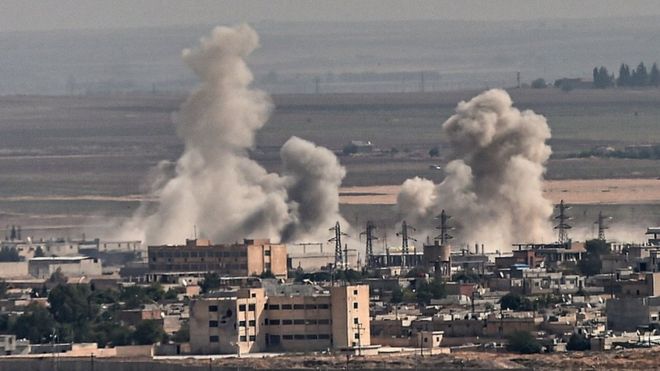
ቱርኪ ነቲ ኣንጻር ኩርዳውያን ንእትወስዶ ዘላ ወተሃደራዊ መጥቃዕቲ ደው ከተብሎ፡ ኣሜሪካ ጸቕጢ ክትገብር ጻውዒት ይቀረብ ኣሎ።
ጸሓፊ ምኒስትሪ ምክልኻል ኣሜሪካ ማርከ ኣስፐር፡ ቱርኪ ኣብ ልዕሊ ኩርዳውያን እትወስዶ ዘላ ወደሃደራዊ መጥቃዕቲ "ሓደገና ሳዕቤን ከስዕበላ" ምዃኑ ሓቢሩ።
ጸሓፊ ተሓዝ ገንዘብ ኣሜሪካ ስቲቨን ሙኒቺን'ውን ብወገኑ፡ ኣብ ልዕሊ ቱርኪ ሓዲሽ እገዳ ክንበር ከም ዝኽእል ኣተንቢሁ።
ሰራዊት ቱርኪ፡ ፕረዚደንት ኣሜሪካ ዶናልድ ትራምፕ፡ ሰራዊት ኣሜሪካ ካብቲ ዓሪዶምሉ ዘለው ቦታ ክወጽኡ ድሕሪ ምእዛዙ'ዩ እቲ ወግእ ተወሊዑ።
ፕረዚደንት ኣሜሪካ ዶናልድ ትራምፕ፡ ኣብ መንጎ ቱርክን ኩርዳውያንን ሰለማዊ ዘተ ክካየድ ጸዊዑ'ሎ።
እንተኾነ ፕረዚደንት ቱርኪ ጣይብ ኦርዶጋን፡ እቲ ወደሃደራዊ ስጉምቲ ክቕጽል ምኳኑ ሓቢሩ። ኩርዳውያን ብወገኖም፡ እቲ ብኣሜሪካ ዝተወስደ ውሳነ ምስሓብ ሰራዊት ኣሜሪካ ''ከም ጥልመት'' ከምዝርእይዎ ገሊጾም።
ኩርዳውያን ሓይልታት፡ ንዝሓለፈ ኣርባዕተ ዓመታት ኣብ ሶርያ ኣብ ጐኒ ኣመሪካ ብምስላፍ ኣንጻር ዕጡቕ ጉጅለ ዳዕሽ ክዋግኡ ከምዝጸንሑ ይፍለጥ።
እዚ ከምዚ ኢሉ እንከሎ፡ ኣብ ኮባነ ዝብሃል ቦታ ዓስኪሩ ዘሎ ሓይልታት ኣሜሪካ፡ ዓርቢ ምሸት ካብ መዳፍዕ ቱርኪ መጥቃዕቲ ከም ዝወረዶ ወሃብ ቃል ፐንታጎን ገሊጹ። በቲ ዝወረደ መጥቃዕቲ ግን ዝወረደ ጉድኣት የለን።
ብመሰረት ጸብጻብ ውድብ ሕቡራት ሃገራት፡ ኣስታት ሓደ-ሚእቲ-ሽሕ ሰላማውያን ሰባት ካብቲ ኲናት ዝካየደሉ ዘሎ ከባቢታት ሰሜናዊ ሶርያ ከም ዝተፈናቐሉ ገሊጹ።
እቲ ብሮቡዕ፡ ብሰራዊት ቱርኪ ኣንጻር ኩርዳውያን ሓይልታት ዝተፈነወ ወታሃደራዊ ስርሒታት ይቕጽል ከምዘሎ ጸብጻባት እቲ ውድብ ጠቒሱ።
ዛጊት፡ 11 ሰላማውያን ሰባትን ብዓሰርተታት ዝቑጸሩ ዕጡቓትን ተቐቲሎም ኣለዉ።
ፕረዚደንት ቱርኪ ጣይብ ኦርዶጋን ከም ዝሓበሮ፡ እቲ ወተሃደራዊ ስርሒት ንኩርዳውያን ሓይልታት ኣውጺእካ ''ውሑስ ዞባ'' ንምፍጣር ዝዓለመ እዩ ክብል ይገልጽ።
ንዓለምለኻዊ ማሕበረሰብ ኣሻቂሉ ዘሎ ግና፡ ሃለዋት እቶም ብሓይልታት ኩርዲ ተማሪኾም ኣብ ሰሜናዊ ክፋል ሶርያ ተሓዪሮም ዝርከቡ ኣባላት ዳዕሽን ብኣሽሓት ዝቑጸሩ ወጻእተኛታት ዕጨኦም እንታይ ክኸውን'ዩ ዝብል እዩ።
እቲ ብኩርዳውያን ተቓለስቲ ዝቘመ ዴሞክራስያውያን ሓይልታት ሶርያ፡ ካብ ኣጋር ሰራዊት ቱርክን ደብዳብ ነፈርትን ሓያል መጥቃዕቲ ይገጥሞ ከምዘሎ መዕከናት ዜና ዓለም ይሕብራ።
ክሳብ ሕጂ፤ ብዓሰርተታት ዝቑጸሩ ኩርዳውያን ሓይልታትን ብቱርኪ ዝደገፉ ዕጡቃትን ክሞቱ እንከለው፡ ሓደ ወተሃደር ቱርኪ ከምዝሞተን፡ ሰለስተ ካልኦት ከም ዝቆሰሉን ሰራዊት ቱርኪ ሓቢሩ።
በቲ ዝካየድ ዘሎ ውግእ፡ ብዓሰርተታት ኣሸሓት ዝቑጸሩ ሰለማውያን ሰባት ገዛውቶም ራሕሪሖም ይሃድሙ ከምዘሎው ጸብጻባት ውድብ ሕቡራት ሃገራት ይገልጹ።
ህዝቢ ኤርትራ ካብቲ ቅድሚ ኣማእት ዓመታት ዝነበሮ ሃለዋት፥ ሎሚ ኣብታ ኣፎይ ኢሉ ኣስተርሕዩ ክነብረላ ዝነበሮ ግዜ ናጽነት፡ ኣብ ኣዚዩ ዝኸፍአን፥ ዝመረርን ኩነት እዩ ዝርከብ ዘሎ። ኣብቲ ቀደምሲ እቲ ባዕዳዊ መግዛእቲ ንህዝቢ ከብሳብስን፥ ኣርዒዱ ጂሆ ክሕዝን እትጽበዮ እዩ ነይሩ። ካብ መግዛእቲ እትጽበዮ መስተርሆት ስለ ዘየለ። ስለምንታይ ደኣ እዩ ህዝቢ ኤርትራ ሎሚ ብደቁ ክመሓደር ኣብ ዝጀመረሉ ካብቲ ናይ ግዜ ባዕዲ ዝኸፍአ ጭቆናን ተራእዩን ተሰሚዑን ዘይፈልጥ ሕማቕ ምሕዳራን ዝሳቐ ዘሎ? ነፍሲ ውከፍ ኤርትራዊ ነዛ ሕቶ እዚኣ ክምልስ ክበቅዕ ኣለዎ። ድሕሪዚ እቲ መፍትሒ እንታይ ክኸውን ከምዝለዎ ክሓስበሉ ይግባእ።
ኤርትራ ሃገርና ደጊም ኣብ ጉዳይ ሓንቲ ዝተረፋ የብላን። ህዝቢ ብገዛእ ገንዘቡ ብቁንጣሮ ክስለዓሉ ካብ ዝተገብረ፡ ህዝቢ ጠምዩ ዘዕንግሎ ካብ ሰኣነ፥ ሓሚሙ ዝሕከመሉ ሃዋህው ካብ ዘየለ፡ እንታይ ተሪፍዎ ደኣ ክንብል ንኽእል። እታ ሃገር ብቑጠባ ከይትብልጽግ ኣብቲ ድሕሪ 1952 ዝነበረቶ ኣዝየኡ ዝደሓረ ምንቁልቋል እያ ትርከብ ዘላ። ካብ ኩሉ ዝኸፍአ ድማ ፥ እታ ራኢ ናይ ህዝብናን ሃገርናን ኣብ ኢድ እቲ ተካኢ ወለዶ ክንሳ፡ እግሪ ዝተኸለ ዘበለ ናብ ስድት የምርሕ ኣሎ። እዚ ከኣ ነታ ሃገር ደው ዘብላ ዓንዲ ይፈርስ ምህላው ዘመስክር እዩ። ሃገር ብዘይ መንእሰያት ማለት ዘራእቲ ተሓሪሱ እቶት ዘይብሉ ቀውዒ ከም ማለት እዩ። እቲ ተካኢ ወለዶ ንርእሱን ነታ ሃገርን ህዝባን ናብ ዝሓሸ ከሰጋግር ዝኽእል ሓይልን ጉልበትን ዝውንን እዩ።
እዚ ማለት ግን መንእሰይ ነቶም ቅድሚኡ ዝነበሩ ዋጋ ከምዘይብሎም ገይሩ ዝርዳእን ከቆናጽብን ማለት ኣይኮነን። እንታይ ደኣ እቲ ተካእቲ ወለዶ፡ ነቲ ሓላፍነት ካብ ቅድሚኡ ዝነበሩ ክቕበልን ሓላፍነት ክወስድን ክጽዕሩ ይግበኦ። እዚ ተካኢ ወለዶ ዝበሃል ዘሎ በቲ ንሱ ዘርከበሉ መድረኽ ናይ ምህዞን ምርምርን ኣቢሉ ነቲ በቶም ቅድሚኡ ዝነበሩ ዝተሰርሐ ታሪኽ ክመዝንን ክፈርድን እንተኮይኑ ግን ነፍሲ ወከፍ ነናቱ መድረኽ ከምዘለዎ ዘይምፍላጥ እዩ። መንእሰይ ወለዶ ንሃገሩን ህዝቡን ጠንጢኑ ንስደት ሃጽ ክብል ከሎ፥ ንሃገሩን ህዝቡን ንሓዋሩ ክርስዕ ኣይግበኦን። ዋላ እውን እቲ ቅድሚኡ ዝነበረ ጉድለታትን ኣሉታታን እንተሃለወ፡ ብኡ ኣመሳሚሱ ኣብ ክንዲ ነታ ናቱ ራህዋ፡ ረብሓን ቅሳነትን መጻኢ ዕድሉ ዝሃንጸላ ሃገር ንኽምስርት ብምሕሳብን ክቅላስን እዩ ዝግባእ። ወያ ሃገር ኣናተዳኸመት ትኸይድ ከምዘላ እናረኣየ፥ ካብቲ ድኽመት እቲ ከውጽኣ ኣብ ክንዲ ምጽዓር ምስቶም ቀዳሞት ኣያታቱ ጥራይ ክቆራቘስ እንተኾይኑ ግን መፍቶ እቲ መላኺ ስርዓትን ጥራይ እዩ ክኽውን።
ሎሚ ሃገርና ኤርትራ ናተይ እትብሎም ብጉልባብ ግዳማውን ዞባውን ዛዕባታት ነቐዝ ኮይኖማ፡ ዝደኸመት ሃገር ንኽትክውን ፍሕሶታትን ሸርሕታትን ይመሃዛ ከምዘሎ ክርደኣና ይግባእ። መጀመርያ እቲ ንህዝቢ ኤርትራ ዝገዝእ ዘሎ ስማዊ ስርዓት፡ እንታይ ተልእኾ ከምዘለዎ’ኳ እንተዘይፈለጥናዮ፥ ግን ድማ እቲ ምልክታት ንህዝቢ ኤርትራ ኣድኪኻ፥ እታ ሃገር ኣብ መዳያት ቁጠባውን ማሕበራውን ከምዘይትምዕብል ይገብራ ከምዘሎ ዝሕብር ወስታታት ንዕዘብ ኣለና።
እቲ ኣብ ኣስመራ ዘሎ ስርዓት በቲ ባዕሉ ዝወለዖ ኲናት ፍርቂ መሬት ኤርትራ ኣብ ትሕቲ መንግስቲ ኢትዮጵያ ከምዝኣቱ ገይሩ፥ ህዝብና ሓሪሱ ከይዕንገል ዝፈጠሮ ሓደ ውዲት እዩ። እቲ ካልኣይ ውዲት ድማ፥ ዋላ’ኳ መንግስቲ ኢትዮጵያ ነቲ ዶብ ንኸይሕንጸጽ ጅሆ እንተሓዘቶ፥ ኣብ ክንዲ እቲ ቀያድን ናይ መወዳእታን ብይን ዶብ ክትግበር ኣለዎ ኢሉ ዝንቀሳቐስ፡ ኪኖ ዶብ ክንጥምት ኣሎና ብዝብል ሸፈጥ ተፈላሲፉልና። ካብዚ ዝገደደ ድማ ንኣብይ ኣሕመድ ወኪለካ ኣሎኹ ንዝበሎ ድማ፥ ትማሊ ኣብ ናይ ፓርክ ምረቓ ኣብ ክንዳይ ኰንካ ክትዛረብ ወኪለካ ኣለኹ ኢሉ ምድጋሙ እዛ ኤርትራስ እንታይ ደኣ ተሪፍዋዶ ኣየብልን።
መንእሰይ ዓዱ ጠንጢኑ ካብ ወጸ፥ ኤርትራ ብቑጠባ መሬት ካብ ዘበጠት፥ እቲ ተካኢ ወለዶ ድማ ምስ ቅድሚኡ ዝነበሩ ወለዱ ክነሓናሕን ክጻረፍን ኢትዮጵያ ድማ ብቑጠባን ብዓለም ለኻዊ ዲፕሎማሲያዊ ርኽክባታን ኣማዕቢላ ጸላዊት ሃገር ንኽትከውን ትጽዕር ኣላ። ስለዚ መጻኢ ዕድል ኤርትራ እንታይ ኮነ ክኸውን እዩ? እቲ ባድመ ናብ ኤርትራ ክትምለስ ብዓለም ለኻዊ ቤት ፍርዲ ዝተፈርደን፡ ዝምልከት ዶብ ንምሕንጻጽ’ውን ቅሩበንት ካብዘይሃለወን፥ ቀስ ብቐስ ጉዳይ ዶብ ክርሳዕ ደኣ እንታይ ተሪፍዎ።
Published in
Radio
ኣብ ሓደ ሕብረተ-ሰብ ከም ህዝቢ ኩሉ ግዜ ዝነብር ስለዘየለ፡ እቲ ዝተወልደ ይዓቢ ይኣርግ ይመውት እዚ ዝነበረን ዘሎን እዩ።
ኣብ ኤርትራን ህዝቢ ኤርትራን ከም ኣብነት እንተወሲድና ብፍላይ ምስ ምምጻእ ግዝኣት ኢንግሊዝ ኣብ 1941 ድሕሪ ስዕረት መግዛእቲ ጥልያን፡ ነቲ ዝነበረ ወለዶ ናብ ቃልሲ ኤርትራዊ ሃገራውነት ዝዛዘወን ዘበገሰን ነይሩ። ነቲ ድሕሪ 20 ዓመት ዝተወለዐ ሰውራ ኤርትራ መንጸፍ እውን ንሱ እዩ ነይሩ። እቲ ንመግዛእቲ እንግሊዝን ምምሕዳር ፈደረሽን ዝተቓለሰ ወለዶ እውን ብሓቒ ዓቢ ኣስተዋጽኦ ዝገበረ ምንባሩ ዝዝንጋዕ ኣይመስለንን።
ሓደ ወለዶ ነቲ ዝተረከቦን ዝጸንሖን ኩነታ ክቕይር እዩ ዝደሊ። እዚ ነቲ ንሱ ከም ተካኢ ወለዶ ዘልዕሎ ሓሳብን ዘጓንፎ ዕንቕፋታትን ንምእላይ ዝገብሮ ኣብ ሚዛን ብምእታው እዩ ዝትግበር እንተተባህለ ካብ ሓቒ ዝረሓቐ ኣይኮነን።
ኣብ ሰውራ ኤርትራ ምልስ እንተ ኢልና ናይ ገድሊ ወለዶ ዝብሎ ሓደ ካብ'ቲ ቐንዲ ዝጠመቶ ክእርሞ ዝተበገሰ ነቲ ኣብ ግዜ ፈደረሽን “እወ ሕብረት ምስ ኢትዮጵያ” ንዝብል ኣደራዕ ከም መበገሲኡ ኢዩ ወሲድዎ። ብእኡ መሰረት ከኣ እቲ ናይ ትማሊ ወለዶ ኤርትራ ከም ሃገር ክትከውን ዝኸፈልና ንኽፈል ባዕዲ ከልግስ ዘለዎ እዩ ኢሉ።
ድሕሪ ነዊሕ ጉዕዞ ናይ 30 ዓመት ብረታዊ ቓልሲ እቲ ዝተደልየ ማለት ንኤርትራ ነጻን ልዕላዊትን ሃገር ናይ ምግባር መስርሕ ተደምዲሙ። ጎድኒ ጎድኒ ናይ እቲ ቐዳማይ ዕላማ ኣብ'ታ እትፍጠር ኤርትራ ህዝቢ ኤርትራ ሓራ ንኽኸውን እዩ ነይሩ። እዚ ድማ እቲ ዝቕበል ወይ ተካኢ ወለዶ ዝቕጽሎ መስርሕ እዩ ነይሩ።
ሎሚ ካብ ምልኪ ናብ ዲሞክራሲ እንኸዶ ዘለና መንገዲ ንበይኑ ሓደ ወለዶ ጥራይ ዘካይዶ ቓልሲ ኣይኮነን። ብከምኡ ክኸይድ ኣይክእልን እዩ። ምኽንያቱ ብባህሪቲ ቃልሲ ወለዶታት እናተሓጋገዙን እናተማሃሃሩን ነቲ ዘጋጥም ኩነታት ስለ ዝምክትዎ። ኣብዛ ዘለናያ ኩነታት እንተጠሚትና እቲ ዝጐበዘን ዝሸምገለን ዝኣረገን ማለት እቲ መንእሰይን እቲ ዝዓቢ ዘሎን እናተጸላለዉ እዮም ዝጐዓዙ።
እንበኣር ሎሚ “ይኣክል” እንብሎ ዘለና፡ ናይ ሓደ ወለዶ ዕማም እዩ ወይ ንሓደ ወለዶ ጥራሕ ዝምልከት እዩ ምባል ዝዓበየ ጌጋ ምዃኑ ምግንዛብ የድሊ። ኣብ ደንበ ተቓውሞ ነዚ ብሂል ዝደግሙ ስለዘለዉ ብህድኣት ምክታዕን ምምይያጥን የድልየና ኣሎ። ንሱ እዩ ድማ ነቲ ዘፈላልየና “ይኣክል” እንብለሉ።
ልክዕ እዩ ከም ሓደ ኣባል ናይቶም ናይ ገድሊ ወለዶ፡ እቲ ንዓና ዝትክእ ወለዶ ነቲ ግድነት ኮይንዎ ዝቕበሎ ሓላፍነትን ሕድርን ተሰኪሙን ነቲ ቕድሚኡ ዝነበረ ተመክሮ ቀሲሙን ነቲ ሓላፍነት ክስከሞ፥ እንተዘይከኣለ ድማ እቲ ዝስዕቦ መንእሰይ ወለዶ ክትክኦ ምዃኑ ከይዘንጋዕኩ፡ እቲ ነቲ መንእሰይ፡ “ምስ እዞም ዓበይትን ኣረግቶትን ኣይትኺድ” ዝብል ርእይቶታት ቅቡል ኮይኑ ኣይረኣየንን። ሓደ ክዝንጋዕ ዘይብሉ ሓቂ ድማ ንሕና እቶም ናይ ገድሊ ወለዶ ኢና ኣብ'ዚ ሕማቕ ኩነታት ኣውዲቕናዮ ዘለና ነዚ መንእሰይ። ስርዓት ኢሰያስ ብዓብይኡ ኮይኑ ንሓና እውን እጃም ኣለና። ካብ ምልኪ ናብ ዲሞክራሲ ኣብ ዝግበር መስርሕ እምበኣር፡ ንሕና እቶም ናይ ትማል ወለዶ ነታ “ምልኪ ምልጋስ” እትብል እንተረኣናያ ጽቡቕ እዩ። እታ ናብ ድሞክራሲ ምሰጋገር ዘረጋግጻ ግን እቲ ተካኢ ወለዶ ምዃኑ ይኣመን።

ርእሰ-ዓንቀጽ ሰዲህኤ
“ሰዲህኤ፡ ሓይልታት ምክልኻል ኤርትራ፡ ረብሓኡ ምስ ለውጢ እምበር ምስ ጭቆና ከምዘይኮነ ብምግንዛብ፡ ንህዝቡን ንነብሱን ካብ’ዚ ኣሰቃቒ መነባብሮ ንምንጋፍ ኣብ ጐድኒ ህዝቡ ደው ኢሉ ንምልካዊ ስርዓት ህግዲፍ ከወግድ ጸዊዑ።” (ካብ ፖለቲካዊ ውሳነታት 3ይን ሓድነታውን ጉባአ ሰዲህኤ ዝተወስደ)
ሓይልታት ምክልኻል ኤርትራ ካብ ነባራት ናይ ግዜ ናጽነት ተጋደልትን ደሓር ዝተሰለፉ መንእሰያትን ዝቖመ እዩ። ነዚ ንምንጽብራቕ እዩ ከኣ “ይከኣሎን ዋርሳይን” እንዳተባህለ ዝጽዋዕን ዝዝመረሉን። እቲ ይከኣሎ እቲ ነባር እዩ። እቲ ዋርሳይ ድማ እቲ ድሕሪ ናጽነት ሕድሪ ክርከብ ወይ ክወርስ ብስም ሃገራዊ ኣገልግሎት ዝተሰለፈ’ዩ። ይከኣሎ ነቲ ቀዳማይ ምዕራፍ ቃልሲ ህዝቢ ኤርትራ፡ ብናጽነት ኣጸንቢሉ፡ ንካልኦት ኣካላት ጅግንነታዊ ኣብነት ብዝኸውን ደረጃ ግብኡ ኣረጋጊጹ፡ ባህጊ ህዝቡ ኣውሒሱ እዩ። ድሕሪኡ ግና ኣይኮነንዶ ከምቲ ቃል ዝኣተዎ ሕድሪ ህዝቢ ኤርትራ ከረጋግጽ፡ ንገዛእ ርእሱ እውን ግዳይ ናይቲ ዋጋ ከፊሉ ዝደኮኖ ምሕዳርን ሓለፍትን ህግዲፍ ኮይኑ እዩ። ናይ 1994 ናይ ማይ ሓባር መቕዘፍቲ ናይ ሓርነት ውጉኣትን ናይ 2001 ማእሰርቲ “ቃልና ኣይንዕብር” ዝበሉ ላዕለዎት ኣዘዝቱን ከኣ ናይዚ ኣብነት እዩ።
ኣብ ከምዚ ዓይነት ደልሃመት “ይከኣሎ ንዋርሳይ እንታይ እዩ ኣውሪስዎ?” ዝብል ኣዛራቢ እዩ። ዋርሳይ ነቲ ኣብ ልዕሊ ይከኣሎ ዝተወስደ ናይ ምብታኑን ምድኻሙን ወስታታት ህግዲፍ ስለ ዝተዓዘቦ ብትግሃት ክወርስ ኣይከኣለን፡ ንምውራስ ዝሕግዝ ዝተጣጥሔ ባይታውን ኣይተነብረሉን። ። እቲ ኣብ ልዕሊ ይከኣሎ ዝወረደ በደል ኣብ ልዕሊኡ ከም ዝድገም ስለ ዝሰገአ ነቲ ንተሳትፎኡ ዝጽውዕ ዝነበረ ኣዋጃትን ጐስጓስን ብዓይኒ ጥርጠራ ክርእዮ ናይ ግድን ነይሩ። ህግድፍ ዝሓዞ ሸፋጢ መንገዲ እውን ነዚ ጥርጠራኡ ዘራጉድ እምበር፡ ዘቕስን ኣይነበረን። ዋላ’ኳ ዝተፈላለየ ኣስማት እንተተዋህቦ፡ ብግብሪ ግና ወተሃደራዊ ኣገልግሎት ዝሕመረቱ መደብ ሳዋን ኣተገባብራኡን ንጥርጠራ ይከኣሎን ቤተሰቡን ግብራዊ መልሲ ዝሃበ እዩ ነይሩ። ወዮ ንውሱን እዋን ወተሃደራዊ ትምህርቲ ወሲዱን ኣገልጊሉን፡ ድሕሪኡ ኣብ ወተሃደራዊ መዳይዚ “ተጠባባቒ ሓይሊ” ኮይኑ; ናብ ትምህርቱን ስሩሑን ክምለስ ዝነበሮ ትጽቢት፡ ስርዓት ኢሳይያስ ምስምሳት ብምፍጣርን ዘይተደለይቲ ውጉኣትን ስግኣታትን ብምኽፋት ብዝወሰዶ ሸፈጥን ጥልመትን መኺኑ። ምምሕዳር ኢሳይያስ ነዚ ስጉምቲ ስለ ዝወሰደ እዩ ከኣ እቲ ኣገልግሎት “መወዳእታ ዘየብሉ ግዱድ ዕስክርና” ዝብል ስም ዝተዋህቦ።
በደላት ህግዲፍ ኣብ ልዕሊ መላእ ህዝቢ ኤርትራ ዝተፈላለየ መልክዕ ዘለዎ ኣብ ኩሉ ጽፍሕታትን ሕብረተሰብኣዊ ክፍልታትን ኤርትራ ዝፍጸም እዩ። ካብዚ ሓደ ከኣ እቲ ኣብ ልዕሊ ሓይልታት ምክልኻል ኣብ ልዕሊ ይከኣሎ ኮነ ዋርሳይ ክፍጸም ዝጸንሐን ዘሎን እቲ ዝመረረ እዩ። ህግዲፍ በደሉን ወጽዓኡን ዝያዳ ኣብ ልዕሊዚ ትካል ዘዛየደሉ ምኽንያት ከኣ፡ ዝተወደበን ዝተዓጥቀን ሓይሊ ስለ ዝኾነ ኣብ ስልጣኑ ስለ ዘስግኦ ኣቐዲሙ ክድህሎ ካብ ዘለዎ ሕዱር ተንኮል እዩ። ውሱናት ብሳላዚ ሓፋሽ ይከኣሎን ዋርሳይን ዝኸፈሎ ዋጋ ኣብ በሪኽ ቦታ ዝተቐመጡ ሰብ ጽሩራ፡ ኣብ ክንዲ ምእንቲ መሰል እዚ ዋጋ ከፊሉ መዓርግ ዘልበሶም ሰራዊት ዝሕለቑ፡ ኣብዚ ዘለናዮ ክፍለ-ዘመን ይዝውተር ኢልካ ክትግምቶ ብዘጸገም፡ ናይ ግሎም ኣገልጋሊ ገይሮም ብዘይክፍሊት ኣባይቶም ክሃንጽን ጀራዲኖም ክኹስኩስን ፈሪደምዎ። እዚ ከይኣክል ከኣ ምድረሰማይ ጸቢብዎ ሃጽ ኢሉ ክስደድ እንከሎ ብዘይ ፍርዲ ኣብ ፈቐዶ ክሳዳዊ ዶባት ረሽነምዎ። እቲ ኣብ ሸዊት ዕድመኡ ፈቐዶ ጐዳጉዲ ዝእሰርን ዝሳቐን ኣባል ሓይልታት ምክልኻል እሞ ድማ ኣዲኡ ትቑጸሮ።
ሓይልታት ምክልኻል ልዕሊ ህዝቢ ኤርትራን ዝወርድ ዘሎ ጸገም፡ ዝርኣዮን ዝሰምዖን ስለ ዝኾነ ምዝርዛር ኣየድልዮን’ዩ። ኣብ ልዕሊኡ ዝወርድ ግፍዒ እውን ባዕሉ ደኣ ይፈልጦ እምበር ቀሊል ኣይኮነን። ስለዚ ምእንቲ ህዝቢ ኢሉ ጥራይ ዘይኮነ፡ ምእንቲ ገዛእ ርእሱ ክብል’ውን ዓይኑ ከንቁሕ ግዜ ይጠልቦ ኣሎ። ከምቲ ኣቐዲሙ ዝተገልጸ፡ ሓይልታት ምክልኻል ኤርትራ ኣገዳዲ ዕጥቂ ዘለዎ፡ ብዝሓሸ ዝተወደበን እሂን-ምሂን ናይ ምባል ዝሓሸ ዕድል ዘለዎን፡ ካብ ኣብራኽ ህዝቢ ዝወጸን ስለ ዝኾነ፡ ካብዚ ሓሊፉ በቲ “ናተይ” ዝብሎ መንግስቲ እየ በሃላይ ምምሕዳር፡ ዝያዳ ዝተበደለ ስለ ዝኾነ፡ ነዚ ኣብ ሃገርና ዘሎ ፖለቲካዊ ኩነታት ኣብ ምቕያር፡ ከቢድ ሓላፊነት ከም ዘለዎ፡ ይዝንገዖ እዩ ዝብል እምነትኳ እንተዘይብልና ከነዘኻኽሮ ግና ናይ ግድን እዩ።
ኣሸሓት ኣባላት ሓይልታት ምክልኻል፡ በቲ ኣብ ልዕሊኦም ዝወረደ በደል ኣስካሕኪሖም ሃገሮም ገዲፎም ናብቲ መሰረታዊ መፍትሒ ዘይኮነ ስደት ከም ዘምርሑ፡ ናይ ዝተፈላለያ መደበር ስደተኛታት መዛግብ ዝርዝር ዝምስክሮ እዩ። እቲ ቀዳማይ ናይ ለውጢ ምርጫ፡ ኣብ ክንዲ ነቲ ሜዳ ንህግዲፍ ገዲፍካሉ ምኻድ ክሳዱ ሓኒቕካ ምጥምጣሙ’ኳ እንተኾነ፡ ካብ ኤርትራ ወጻኢ ኮይንካ እውን እቲ ቃልሲ ቀጻሊ እዩ ክኸውን ዝግበኦ። ንገለ ውሱናት ከምቶም ኣብ ነርወይ ብሰንኪ ግፍዒ ህግዲፍ ዓዲ ዝገደፉ ክንሶም፡ ምስ የማነ ገብረኣብ ኮይኖም ኣብ መበል 25 ዝኽሪ ምጅማር መደብ ሳዋ ዝሳዕስዑ ገዲፍካ፡ ኣብ ወጻኢ ኮይኖም ዝቃላሱ ዘለዉ ኣባላት ሓይልታት ምክልኻል ኤርትራ ዝነበሩ ብዙሓት እዮም። ክቕጽልዎ ከኣ ህዝባዊ ሕድሪ ኣለዎም። ኣብ ስደት ኮይኖም ዘይመስረታዊ ኣብለጭላጪ ራህዋ ምስ ረኸቡ፡ ተመሊሶም ናይ ጣዕሳ ቀጥዒ መሊኦም፡ ምስ ህግዲፍ ተዓሪቖም ህዝቦም ከይርስዑ ከኣ ደጊምና ነዘኻኽሮም።
ኣብዚ እዋንዚ ሓይልታት ምክልኻል ኤርትራ ከም ትካልን ከም መንእሰይን ዝፍተነሉ ከምቲ ቀደም፡ ቡንባ ደርቢኻ ድፈዓት ብምፍራስ ዘይኮነ፡ እኩይ ኣተሓሳስባ ህግዲፍ ብምፍራስ ምዃኑ ክዝንጋዕ የብሉን። ከምቲ ይከኣሎ ኣንጻር ባዕዲ ተቓሊሱ ነጻነት ናይ ምርግጋጽ ኣብነት ዝኾነ፡ ዋርሳይ ከኣ ሕድሩ ጠሊሞም ህዝብና ይብድሉ ንዘለዉ ውሑዳት በዲሁ ሓርነት ኣብ ምርግጋጽ ህዝባውነቱ ከመስክር ግዜ ይጠልቦ ኣሎ። ኣብነት ሰራዊት ሱዳንን ካለኦት ንህዝቦም ዝተበጀዉ ሰራዊትን ክስዕብ ይግበኦ። ህዝቡ ኣብ ከምዚ ንዕዘቦ ዘለና ኣብ ጭንቅን ጸልማትን እንከሎ፡ እንተ ኣጽቂጡ ግና ኣብ ርእሲ’ቲ ንገዛእ ርእሱ ምብዳሉ ኣብ ታሪኽ እውን ከሕትቶ እዩ። ካብዚ ተሓታትነት ንምድሓን እዩ ድማ ሰዲህኤ፡ ረብሓ ሓይልታት ምክልኻል ኤርትራ፡ ምስ ለውጢ እምበር ምስ ጭቆና ከም ዘይኮነ ብምግንዛብ፡ “ደሃይ ግበር” ዝብል መጸዋዕታ ዘቕርበሉ ዘሎ።
Published in
EPDP Editorial
ህዝቢ ኤርትራ ኣብ ታሪኹ ንመጀመርታ፡ ናጻ ሃገር ዝወነነ፡ ባዕዳዊ መግዝእቲ ኤትዮጵያ ካብ ሃገሩ ምስ ሰጎገ ኢዩ። ቅድሚኡ ብዝተፈላለዩ ገዛእቲ ወይ ብሙሉኡ ወይ ብከፊል እናተገዝአ ዝነበረ ህዝቢ ኢዩ። ኣብ ታሪኽ ንመጀመርታ ግዜ፡ ሙሉእ ኤርትራ ሓደ ማእከላይ መንግስቲ መስሪቱ ክገዝእ ዝኸኣለ መንግስቲ ኢጣልያ ጥራይ ኢዩ ነይሩ። ካብዚ እዋን'ዚ ንደሓር ኢያ ድማ ኤርትራ፡ ከምተን ካልኦት ሃገራት፡ ከም ውጽኢት ኮሎኒያልዝም ሃገር ክትከውን ዝኽኣለት፡፡
ህዝቢ ኤርትራ፡ ቅድሚ ምምጻእ ገዛእቲ ከከም ባህሉን ቦታኡን ብሕግታቱ ዝመሓደር ዝነበረ ህዝቢ ኢዩ። ገዛእቲ ግን፡ መለለይ መንነቱ ክድምስስዎ ስለዝነበሮም፡ ከዘውትሮን ከማዕብሎን ኣይገበርዎን። ኣብ ትሕቲ መግዛእታዊ ምምሕዳር፡ ህዝቢ ኤርትራ ተቖሪኑ፡ ተመሪሑ ክኸይድ'ምበር ርእሱ ከመሓድር ኣይተፈቕደሉን። ስለዚ ባዕዳውያን ካብቲ ቀንዲ ዝቐተልዎ ትሕዝቶ ሃገር፡ ህዝብና ዝነበሮ ናይ ምምሕዳር ክእለትን ባህልን ኢዩ ኔሩ። ባዕዳውያን ንዝገዝእዎ ህዝቢ፡ ርእሱ ኣድኒኑ ክነብር፡ ዝበልዎ ጥራይ ዝፍጽም ክኸውን ካብቲ ኣውራ ዝሰርሑሉ ጉዳይ ኢዩ። ህዝብና ፋሽስቲ ጣልያን ኣብ ዝወልዖ ኩናት፡ ናይ እቶን ሓዊ ክኸውን ተቐሲቡ ተወሲዱ ግዳይ ሞትን ህልቀትን ኮይኑ ኢዩ። መግዝእቲ ኢትይጵያ ድማ፡ መለለይ መንነት ህዝብና ንዝነበረ ምዕቡል ባህልን ስልጡን ምሕደራን ንክድምሰስ ዝከኣሎ ገይሩ ኢዩ።
ኤርትራ ነጻ ምስ ኮነት፡ እቲ ባዕዳውያን ሒዘሞ ዝነበሩ ስርዓተ ምሕደራ፡ ኣብ ኢድ ደቁ ምስ ኣተወ፡ ብርግጽ ህዝቢ ኤርትራ ብባዕዳውያን ዝተነፍጎ ርእሱ ናይ ምምራሕ መሰላት ክረኽቦ ሙሉእ እምነት ኢዩ ኔርዎ። ተልእኾን መብጽዓን፡ ናይቶም ናጽነት ሒዞምሉ ዝመጹ ደቁ ውን ከምኡ ኢዩ ነይሩ። ህዝባዊ መንግስቲ ከነቕዉም ኢና፡ ህዝብና ዝርብሓሉ ስርዓተ-ምሕደራ ክንተከል ኢና ኢዩ ዝበሃል ነይሩ። ኣብ መንጎ ህዝብን ተጋደልትን፡ እዚ ሓድ-ሕድ ምትእምማን ስለዝነበረ ኢዩ ውን፡ ህዝቢ ነቲ ነጻነታዊ ተጋድሎ ብምሉእ ዓቕሙ ዝተቓለሰሉ።
ንህዝባዊ ግምባር፡ ብፍላይ ኣብቲ ዳሕረዋይ ናይ ቃልሲ መድረኽ፡ ህዝቢ መሪሑ ጉዕዞ ሃገራዊ ናጽነት ምዝዛሙ ክብሪ ኣውሂብዎ ኢዩ። ነዚ ካብ ቅኑዕ ሚዛን ዝነቐለ ኣኽብሮት ናይ ህዝቢ ግን መራሒ መንግስቲ ኤርትራ መዝሚዝዎ። ንግደ ህዝቢ ኣብ ቃልሲ ከናኣእሶ ድማ ተራእዩ። ዲክታቶር ኢሰያስ ከይሓፈረ ነዚ ክብል ተሰሚዑ "ንቀልዓለም ክንብል እንተዘይኮኑ፡ ነዚ ሃገር ናጻ ዝገበሮ በይኑ ህዝባዊ ግምባር ኢዩ" ብምባል ንተሳትፎ መላእ ህዝቢ ኤርትራ ኣብ ዝነበረ ቃልሲ ኣቆናጺቡ።
ግዚያዊ መንግስቲ ኤርትራ ድሕሪ ምርግጋጽ ናጽነት ክቐውም ከሎ፡ እቲ ንመጀመሪያ ዝተሃርመ ውሳኔ፡ ናይ ህዝባዊ ግንባር ካልኣይ ውድባዊ ጉባኤ ውሳኔታት ኢዩ። ኤርትራ ብኣብዝሓ ሰልፋዊ ስርዓት ዝመሓደር መንግስቲ ክህልዋ ዝተውሰነ ኢዩ ነይሩ። ነዚ ውሳነ'ዚ ቀንዲ ከኽብርዎን ክሕለቕሉን ዝነበሮም ማእከላይ ሽማግለ ህዝባዊ ግምባርን ላዕለዎት ሓለፍቲ ውድብን ኢዮም ነይሮም። ነቲ ዲክታቶር ኢሰያስ ኣብ 20 ሰነ 1991 "ካብ ሎሚ ንደሓር ናይ ውድባት ሓሸውየ የለን" ዝበሎ፡ ንመትከል ምምስራት ኣብዝሓ ሰልፋዊ ስርዓት ዝጻረር ኣባሃህላ ክቃወሙስ ይትረፍ ክነቕፍዎ ውን ኣይከኣሉን። እዚ ዘመልክቶ ድማ፡ ሃገር ምስ ሓዙ ክሳብ ክንደይ ሓላፍነቶም ፍጹም ከም ዝደርበዩ ኢዩ። ንኢሰያስ ሃገር ድላዩ ክገብራ ዘይተመልእ ቸክ ከምዘረከብዎ ኢዩ ድማ ዝቑጸር።
ንዲክታቶር ኢሰያስ፡ ንሰበ-ስልጣናቱን፡ መሳርሕቱን ብናይ ንዕቀት መንገዲ ክሕዞም ዝገበሮ ባዕሎም እቶም ሰበ-ስልጣናት ኢዮም። እቶም ክሳብ ሕጂ ምስኡ ዘለዉ ላዕለዎት ሓለፍቲ፡ ትካላት ክፍርስ፡ ሓባራዊ ውሳኔታት ክጥሕስ፡ መሳርሕቱ ክኣስር ትም ኢሎም ክርእይዎ እንተኾይኖም፡ ነዚ ኣሰራርሓ'ዚ ከም ንቡር ኣመራርሓ ሃገር ክኸውን ምፍቃዶም ኢዩ ዘመልክት።
በዚ ከኣ፡ ዉልቀ-መላኺ ኢሰያስ እቲ ናይ መጀመርያ ንዕቀቱ፡ ኣብ ልዕሊ ሰበ-ስልጣናቱን መሳርሕቱን ኢዩ ጀሚርዎን ኣዘውቲርዎን። ሰበ-ስልጣናት ኤርትራ፡ ዉልቀ-መላኺ ኢሰያስ ብዘይ ሓጋውን ትካላውን ኣገባብ ክሰርሕ፡ ከም ልሙድ ኣሰራርሓ ተቐቢለሞ ኢዮም። እቲ ንዕኦም ዘይንቡር ዝኸውን፡ ሕጋዊ ትካላዊ ጠባይ ዘለዎ ኣሰራርሕ ክረአ ከሎ ኢዩ። ብምግራም ኢዮም ድማ፡ "ወዲ ኣፈወርቂ ድኣ እንታይ ሓሲቡ ኢዩ" ብማለት ነታ ሕጋዊት ኣሰራርሓ ይፈርሕዋን ይጠራጠሩላን። እዚ ድማ ክሳብ ክንደይ ስልጣኖም ኣሕሊፎም ከምዝሃቡን፡ ብክንድኡ ድማ ኢሰያስ ኣብ ልዕሊኦም ንዕቀት ከምዘለዎን ዘገምት ኢዩ። ክሳብ ብጽፍዒት ዝልእኮም ሰብ-ስልጣናት ከምዘለዉ ተደጋጊሙ ዝንገር ኢዩ።
ውልቀ-መላኺ ኢሰያስ ንሰበ-ስልጣናቱን መሳርሕቱን ብክንድዚ ካብ ነዓቐ፡ ንታሕተዎት ኣካላትን ሓመደርቲ ሓፋሽ ህዝብን ክሰምዕን ከኽብርን ከመይ ኣቢልካ ትጽቢት ክግበረሉ። እቶም ለውጢ ክድግፉ ይኽእሉ ኢዮም ዝበሃሉ፡ ሰበ-ስልጣናትን ላዕለዎት ሓለፍትን መንግስትን ሰራዊትን ኤርትራ ድንን ኢሎም ምኻድ ነቲ ለውጢ ብዓቢ ጎዲእዎ ከምዘሎ ሓቂ ነገር ኢዩ። ነቲ ናይ ኢሰያስ ኣመራርሓ ኣሚኖምሉ ይኸዱ ከምዘየለው፡ ከናፍሮም ክረማጥጡን "ምስ መን ኮንካ'ሞ ክግበር"፡ "ከምዚ ኢልካ ክንበር ኣይክእልን ኢዩ" ክብሉ ይስምዑ ኢዮም።
ህዝብና ሰማዕን ኣማንን ኢዩ። በቲ ካልእ ሸነኽ ውን፡ ኣብ ትሕቲ ነዊሕ መግዛእቲ ዝጸንሐ፡ ርእሱ ናይ ምምሕዳር ርእሰ-ተኣማንነት ገና ዘየጥረየ ህዝቢ ኢዩ ኮይኑ ጸኒሑ። ስለዚ ከኣ ኣብ መራሕቱ ክህልዎ ዝኽእል እምነት ዓቢ ክኽውን ከምዝኽእል ስነ-መጎታዊ ኢዩ። እንተኾነ ግን፡ ውልቀ-መላኺ ኢስያስ ኣብ ልዕሊ ህዝቢ ብዝገብሮ ዘሎ ተደጋጋሚ በደልን፡ ናብራ ህዝቢ ከማሓይሽ ብዘይምኽኣሉን ከም መራሒ ተጸሊኡ ኢዩ። ኣብ ልዕሊ'ቶም ካለኦት ሰብ-ስልጣናት ዘለዎ ጽልኢ ግን ብክንዲቲ ኣብ ልዕሊ ኢስያስ ዘለዎ ዘይክኸውን ይኽእል። ደሓር ድማ፡ እቲ ሰብኣይ ኢዩ "ጌርዎ"፡ "ኢልዎ" እናበሉ ሓላፍነት ዝወስድሉ ነገር ስለዘየለ ተጸላእቲ ዘይክኾኑ ይኽእሉ ኢዮም። በቲ ህዝቢ ተጸላእቲ እንተ ዘይኮይኖም ድማ፡ ንለውጢ ትጽቢት ዝግበረሎም ክኾኑ ይኽእሉ። ብመራሒኦም ክብሪ ዘይረኸቡ፡ ኩርሲ ስልጣን ንክሕዙ ጥራይ ዝተመደቡ ሰበ-ስልጣናት ኤርትራ፡ ንዘይሕጎስሉ ናብራ ንክነብሩ ብዋጋ ዝብደል ዘሎ ህዝቢ ኤርትራ ስቕታ መሪጾም ምቕጻሎም፡ ከም ዝኸፍአ በደል ኣብ ልዕሊ ህዝቢ ዝፍጽሙ ዘለዉ ኢዮም።
ስለዚ፡ ከምቲ ታሕተዋይ ክፍሊ ሕብረተሰብ ኮይኖም፡ ክሓምዩን ከዕዘምዝሙን ኣብ ክንዲ ዝውዕሉ፡ ዘለዎም ቦታን ሓላፍነትን ንምኽሓስ ዝተበደለ ህዝቢ ከውዕልዎ እዋኑ ሎሚ ኢዩ።
Monday, 07 October 2019 20:29
Exposing human rights violations through sport in Eritrea — is anyone taking notice?
Written by David KodeBy David Kode• 6 October 2019
Sport is a major unifier among all nations and the plight of Eritrean athletes should be enough to force the international community, particularly states that now host many Eritreans, to exert pressure on President Isaias Afwerki to implement reforms, 26 years after taking power.
Not many people outside sporting circles were familiar with Ethiopian marathon runner Feyisa Lilesa or the plight of the Oromo people in Ethiopia before the 2016 Rio Olympic games in Brazil.
As Feyisa crossed the finish line in the men’s marathon on the final day of the Olympics, winning a silver medal, and fully aware of the glare of the international community and media, he lifted his hands over his head and crossed his wrists in a symbolic anti-government protest. He repeated the gesture as he received his silver medal – the gesticulation is a trademark sign of protest, often used by the Oromo from where Feyisa hails, against the violent repression of the government.
At the time Feyisa made this gesture the Oromo territories, home to more than a third of the population of Ethiopia, was under siege from the Ethiopian military. More than 400 Oromos had been killed and thousands arrested during protests by the Oromo in the space of several months when Feyisa demonstrated the plight of his people to the world. Feyisa knew full well that such open protest was dangerous and admitted that he could be killed if he returned home. Speaking to the media after the race, he said:
“The Ethiopian government is killing my people, taking their land and resources, so I stand with all protesters everywhere as Oromo is my tribe. My relations are in prison and if they talk about democratic rights, they are killed.”
The intersection between sport and human rights highlighted above brings me to the main issue of this article – how Eritrean sportsmen and women indirectly reveal the state of human rights at home, but how very few people are taking notice.
A few days ago, five players from the Eritrean under 20 football team absconded from their hotel in Jinja, Uganda in the middle of the Council of East and Central African Football Associations Challenge Cup. The players are likely to seek asylum in Uganda and turn their backs on Eritrea for good if the political situation remains the same.
While there is a long history of African athletes abdicating from national sports teams while representing their nations at international sporting events, the peculiarities that force many Eritreans to do so are quite different.
Many of the sportsmen and women from other African countries who leave their camps during international sporting events target mainly countries in the global north with buoyant economies and sometimes better policies on asylum seekers. They do so mostly to seek green pastures and better economic opportunities. Admittedly, some also do so to escape conflicts and civil war. Eritreans for their part have used sporting events as a means to escape from compulsory military service that has been described by some as a form of slavery.
In October 2015, 10 players from the Eritrean soccer team the Red Sea Camels defected after playing in a World Cup qualifying match against the Botswana national team.
Military service is compulsory for all Eritreans at 18 years old and above. While the policy governing this stipulates military service will be done for 18 months, in practice the military service is indefinite.
For example, since the practice was made official by the government in 1994, no Eritrean has been officially released from military service. Conscripts receive meagre monthly wages (approximately $60 on average) that do not cover basic living expenses and others are not paid. Many spend months at the infamous Sawa military camp with limited food and water, often in very high temperatures. Those who violate even the most basic instructions are subjected to harsh punishment. Others work in mines and construction sites and females are often forced to do domestic work and sometimes subjected to abuse and ill-treatment.
Eritreans, therefore, face two options – undertake military service or flee. Until recently, the Eritrean government often cited the existential military threat from its neighbour Ethiopia as the main reason it continued the policy, but even after the two countries signed a joint declaration of peace, friendship and comprehensive co-operation in July 2018, forced conscription continues.
The compulsory military service and the abuse that comes with it should not be viewed in isolation and must be seen within the context of the nature of the Eritrean state.
Eritrea became a closed state in 2001 when the government shut down all independent newspapers, arrested journalists and government representatives that called for democratic reforms and who were critical of the government of President Isaias Afwerki. The whereabouts of most of those arrested in 2001 are not known and many have not been in touch with relatives since. There has been no election since independence from Ethiopia in 1991, the rule of law is absent, the state is heavily militarised and a constitution approved in 1997 has never been implemented.
Forced conscription is the main driving force pushing Eritrean sportsmen and women to abdicate and not return to Eritrea, but the propaganda of the Eritrean government and the conflict “fatigue” experienced by the United Nations and African Union often preoccupies the international community and limits discussions on actions against the Eritrean state that will force it to implement reforms.
After all, they argue, it is a sovereign state and not at war, so other countries engulfed in intra-state conflict should be prioritised. The closed nature of the Eritrean state and the absolute control of the media by the government means up-to-date information on the state of human rights is mostly obtained from Eritreans who have fled from home.
Eritrean authorities have used diplomacy and coercion to force governments of countries where Eritreans have abdicated, to force them to return home. The Eritrean government has also adopted some stringent measures to ensure Eritrea’s presence at major sporting events by recruiting Eritrean athletes who hold dual nationality into its national teams. It has also now imposed compulsory financial bonds on Eritrean professional soccer players who intend to represent Eritrea in international sporting events to deter sportsmen from abdicating and to guarantee they return after sporting events.
Sport is a major unifier among all nations and the plight of Eritrean athletes should be enough to force the international community, particularly states that now host many Eritreans, to exert pressure on President Afwerki to implement reforms, 26 years after taking power.
As a first step, all states should respect the UN Convention relating to the Status of Refugees and provide Eritreans with the administrative, social, and psychological support they need to enable them to settle when they abdicate. Family members of those who abdicate sometimes face the wrath of the Afwerki regime. Anyone who may be forcefully repatriated after they abdicate may never be seen or heard from again once they arrive in Eritrea.
The long-term solution is for other African states, the African Union and the United Nations to stop treating Eritrea like a normal state because it is not. The joint declaration of peace, friendship and comprehensive cooperation signed between Ethiopia and Eritrea last year seems like a missed opportunity for the international community to hold President Afwerki accountable for his human rights record.
Many Eritreans will continue to flee as long as the status quo remains the same but where politics has not been enough to jerk the international community into action against Eritrea, perhaps sports can. DM
David E Kode, advocacy and campaigns lead, Civicus.
Source=https://www.dailymaverick.co.za/article/2019-10-06-exposing-human-rights-violations-through-sport-in-eritrea-is-anyone-taking-notice/
ህዝቢ ኤርትራ መግዛእቲ እንግሊዝ ንጣልያን ስዒሩ ንኤርትራ ኣብ ትሕቲ ምምሕዳሩ ካብ ዘእትዋ ጀሚሩ ኣሉታውን እወታውን ጐንታት ነይርዎ። እቲ እወታዊ ጎንታቱ፥ ኣብያተ ትምህርቲ ኣስፋሕፊሑ፥ ክሳብ ራብዓይ ክፍሊ ዝነበረ ክሳብ ዓስርተ ክልተ ክፍሊ ኣፍቂዱ። ከምኡ እውን ፖለቲካውያን ማሕበራት ንኽምስረታ ኣፍቂዱ። እቲ ኣሉታዊ ጎኑ ድማ፥ ኩሉ ዝነበረ ናይ ፋብሪካታት ይኹን ካልእ ቁጠባዊ ትካላት ቀንጢጡ ሸይጡ። ኣብ ህዝቢ’ውን ኣብ መንጎ እስላምን ክርስትያንን ዕግርግርን ዘይምስምማዕን ክፈጥር ብዙሕ ጽዒሩ ግን ኣይኮነሉን።
እተን ኣብ ግዜ እንግሊዝ ዝተፈጥራ ፖለቲካውያን ማሕበራት፥ ዋላ እኳ ንናይ ዲሞክራሲያዊ ኣንፈት መሰረት ኤርትራ ካብቲ ብጣልያንን እንግሊዝን ዝተፈጥረ ፍልልያት ኣብ ሓዲሽ ፖለቲካዊ ኩነታት ኣተወ፡ ንሱ ድማ እቲ ኣብ ግዜ ምምሕዳር እንግሊዝ ኣብ ኤርትራ ፖለቲካዊ መንቋሕቋሕታ ክጭብጭብ ጀመረ። ይኹን እምበር እዚ ፖለቲካዊ ምዕብልና በቲ ናይ ሃጸይ ሃይለስላሴ ጽዑቕ ዲፕሎማሲያዊ ወፍሪን ምስኡ ተጐዝጒዙን ንሱ ዝምውሎን “ሰልፊ ኣንድነት”ምፍጣሩ፥ ተሰማዕነት ስለዝነበሮ ነቲ ሰልፍታት ቅሳነት ከልኦ። ከምኡ ኣውን ደገፍ ናይ ሓያላን ሃገራት ስለዝረኸበ ንኤርትራ ኣብ ትሕቲ ቅጽጽሩ ኣእትዩ መበል ዓሰርተ ኣርባዕተ ጠቅላይ ግዛኣት ኢትዮጵያ ክገበራ ዝወሰዶ ስጉምቲ ንህዝቢ ኤርትራ ከፋፊልዎ እዩ። ካብቲ ግዜ ጀሚሩ ድማ እቲ ኣብ ኤርትራ እናዓዀዀ ዝስጉም ዝንበረ ዲሞክራስያዊ ተግባራት ንድሕሪት መለሶ።
ኣብቲ እዋን እቲ እምበኣር ራቢጣን ኣድነትን ተባሂሉ ኣብ ክልተ ተመቕለ። እቲ ሕማቑ ድማ እቲ ራቢጣ ነስላም እቲ ኣንድነት ድማ ንክርስትያን ዝውክል ኮይኑ ኣብ ህዝቢ ሰረጸ እሞ እቲ ፍልልያት ኣብ መንጎ እስላምን ክርስትያን ዝመስል ኮነ። እዚ ብወገኑ ነቲ ስጡም ሃገራዊ ሓድነት ሰንከልከል ክብል’ኳ እንተኸኣለን፥ ናብቲ ድሕር ኢሉ ዝተፈጥረ ማሕበር ሸውዓተ ከንጸባርቕ እንተፈተነን፥ ማሕበር ሸውዓተ ግን ነቲ ፍልልያት ከጻብቦ በቒዑ ነይሩ። በዚ ምኽንያት ድማ እስላምን ክርስትያንን ብሓደ ኮይኖም ኣብ ማሕበር ሸውዓተ ኣባል ዘይነበረ ኤርትራዊ ብዙሕ ኣይኮነን። ኣብዚ እቲ ግደ ህዝቢ በቲ ዝነበሮ ስምዒት ነተን ክልተ ሰልፍታት ራቢጣ ኣልእስላሚያን ኣንድነትን ዘምጽኦ መዘዝ መዚኑ ኣይፋልኩምን ክብል ስለዘይከኣለ ግና እቲ ምፍንንጫል ዕላማ ናይ ማሕበር ፍቕሪ ሃገር ክዕወት ኣይከኣለን።
ቀጺሉ እቲ ብ1961 ባሕቲ መስከረም ዝጀመረ ብረታዊ ቃልሲ ዕላማ ብርግጽ ንኤርትራ ካብ ባዕዳዊ መግዛእቲ ናጻ ንምውጻእ ከምዝነበረ ማንም ዝኽሕዶ ክህሉ ኣይክእልን እዩ። እቲ ብዘይተጸንዐ ዝብል ግን ማናልባት እቲ ማሕበር ሸውዓተ ጀሚርዎ ዝነበረ ኣገባብ ብስምምዕ ተደምዲሙ ነይሩ እንተዝኸውን እቲ ናይ ክርስትያንን እስላምን ዝመስል ውደባ ኣይምተራእየን ነይሩ። ተጋድሎ ሓርነት ኤርትራ ድሕሪ ምምስራታ ዝበዝሐ ስሩዕ ኣባል ማሕበር ሸውዓተ ብምኽንያት ብረታዊ ቃልሲ ምእዋጅ ናብ ተጋድሎ ሓርነት ኤርትራ ዛዘወ። ከምኡ እውን ደሕሪ ገለ ዓመታት ማሕበር ሸውዓተ ድማ ብረታዊ ቃልሲ ንምክያድ ንሜዳ ወጸ። ነዚ ሓይሊ እዚ ድማ ተጋድሎ ሓርነት ኤርትራ ኣብ 1965 ደምሰሰቶ። እዚ እቲ ካልኣይ ምፍንጫል ሰውራ ኤርትራ እዩ። ኣብዚ እውን እቲ ህዝቢ ግደ ስለዘይነበሮ “ትጋገዩ ኣሎኹም” ኢሉ ክነቅፍ ኣይከኣለን። እንታይ ደኣ ምስቲ ሓይሊ ዝሓዘ ደው በለ። ገለ ድማ ኣንጻር ተሓኤ ኮነ። ከምዚ ኢሉ እንከሎ ወዮ እቲ ኣብ ውሽጢ ተጋድሎ ሓርነት ኤርትራ ማለት ብሰንኪ ምሕደራ ዝተረኽበ ፍልልያት ሰለስተ ክፋላት ተፈንጨሉ። ንሳቶም ድማ ብሳበ ዝምራሕ፥ ብኣደም ሳልሕ ዝምራሕ፥ ብኢሰያስ ዝምራሕ ኮይኖም ደሓር ብህዝባዊ ሓይልታት ሓርነት ኤርትራ ዝተመስረተ ውድብ ዝኾኑ እዮም።
ከምዚ እናበለ ድማ እቲ ቀዳማይ ውግእ ሓድሕድ ተጀመረ። ኣብዚ እውን ህዝቢ ዋላ ሓንቲ ተራ ኣይነበሮን። ምኽንያቱ ኩሉ ነናቱ ስሩዓትን ተደናገጽትን ሰዓብትን ስለዘለውዎ። ድሒሩ ግና ኣብ 1974 ህዝቢ ንኽልቲኤን ውድባት ከቀራርብ ፈቲኑ እንተኾነ ኣይሰለጠን። ቀጺሉ ኣብ ህዝባዊ ሓይልታት ብህዝባዊ ግምባርን፥ ህዝባዊ ሓይልታት ተጋድሎ ሓርነት ኤርትራ ብዝብል ኣብ ክልተ ተፈንጨሉ። ብድሕሪዚ ሜዳ ኤርትራ ብክልተ ወድባት ተሓኤን ህግሓኤን ተባሕተ። ይኹን እምበር እቲ መን ዓብለለ ቁርቊስ ኣብ ፖለቲካዊ ኣተሓሳስባን ሰላማዊን ዲሞክራሲያውን ኣገባብ ክንዲ ዝሕዝ ናብ ጎነጽ ገጹ ኣድሃበ። ምኽንያቱ እቲ ዕላማ ንስልጣን መንጨበጠ ኣብ ዝብል ስለዝተመርኰሰ ግድን ኢዩ ሓደ ውድብ ክጠፍእ። በዚ መልክዕ ድማ እቲ ካልኣይ ውግእ ሓደ ሕድ ተባረዐ። ኣብዚ ዳሕረዋይ ውግእ በቲ ሓደ ወገን ተጋድሎ ሓርነት ኤርትራ በቲ ካልእ ወገን ድማ ህዝባዊ ግምባርን ህዝባዊ ወያኔን ተሰለፉ። ኣብዚ ኩነታት ህዝቢ ከምቲ ናይ ቅድም ኣብ መንጎ ኣትዩ ከገላግል ኣይፈተነን። ምኽንያቱ ድማ ኣብቲ ቀዳማይ ተመኩሮ ስለ ዘየድመዐ።
ሕጂ እውን እንተኾነ እቲ ምፍንጫል ቀጻሊ እዩ ዘሎ። ኣብ መጻኢ’ውን እዚ ምፍንጫል እዚ ደው ዝብል ኣይመስልን። እቲ ቀንዲ ምኽንያት ድማ እቲ ህዝቢ ስልጣኑን ሓላፍነቱን ስለዘይተሰከመ ክኸውን ይኽእል። ምኽንያቱ ኩሉ እቲ ህዝቢ ዘዝኣምነሉ ሸነኽ ስለ ዝህልዎ፥ ነታ ናቱ ኢሉ ዝኣምነላ ሸነኽ ክትዕወት ካብ ዝብል ዝሓድሮ ባህጊ ሓደ ምኽንያት ምፍንጫል ዝስስነሉ እዩ። እቲ ካልኣይ ምኽንያት ድማ ኣብ ነፍሲ ወከፍ ዝተወደበ ሓይሊ ነናይ ገዛእ ርእሱ ሓሳብን ድሌትን ኣለዎ። እዚ እምበኣር ኣብ ሓደ ሰልፍን ዲሞክራስያዊ መስርሕን ናይ ሓሳብ ቁርቊስን ናይ ኣረኣእያ ፍልልያት ክረአን ባህሪያውን ክውገድ ዘይከኣልን ምዃኑ ዘርኢ እዩ። እዚ ናይ ኣተሓሳስባ ፍልልይ ከከም ናይ ነፍሲ ወከፍ ፖለቲካዊ ኣፍልጦ ክብን ለጠቕን ዝብለሉን፥ ተጽዋርነትን፥ ብዲሞራሲያዊ መንገዲ ተማእዛዝነትን፥ ንፍልልያት ብስልጡን ኣገባብ ምምእካሉን ክሳብ ዘይተረጋገጸ እምበኣር ምፍንጫል ቀጻሊ እዩ። እቲ ወሳኒ ግና እቲ ህዝቢ ነቲ ዝፍንጨል “ኣይፋልካን ንሕና ውን ኣይክንስዕበካን ኢና” ስለ ዘይብል፡ እቲ ምፍንጫል ተቐባልነት ይረክብ ብምህላው እዩ ምፍንጫል ደው ዘይብል። እቲ ዘገርም ከኣ ትፍንጨል እሞ ምልስ ኢልካ ንዛተ ትብል።
Africa, Egypt, Ethiopia, Horn of Africa, Uncategorized
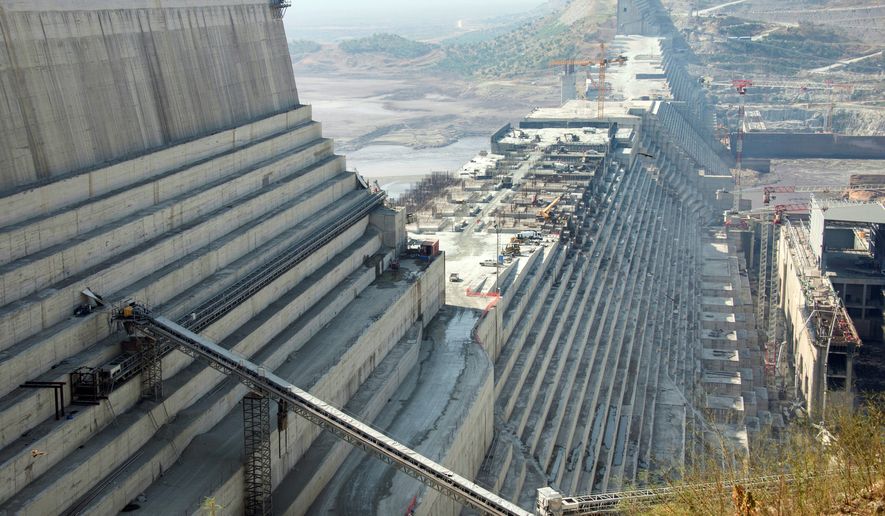
In a rare show of anger, the Ethiopian government has told the Egyptians that they will insist on scientific evidence over the filling of the Grand Ethiopian Renaissance Dam [GERD].
Source: Ethiopian Embassy
5 Oct 2019
The Government of Ethiopia affirms its position to advance the trilateral technical dialogue concerning the filling and operation of the Grand Ethiopian Renaissance Dam
The Water Affairs Ministers of Egypt, Ethiopia, and Sudan met in Khartoum on 04 and 05 October 2019. Prior to the Ministers’ meeting, the National Independent Scientific Research Group of the three countries met in Khartoum on 30 September – 03 October 2019.
The Government of Ethiopia is of the conviction that the technical consultation must continue, as it presents the only option for resolution of differences among the three countries with respect to filling and operation of the GERD. Although the unilateral proposal on technical aspects of filling and operation of the GERD by the Government of Egypt side-steps the working procedure of the NISRG and disrupted the ongoing process, the Water Affairs Ministers in their meeting in Cairo on 15 and 16 September 2019 instructed the NISRG to discuss and analyze the filling and operation plan of Ethiopia and the submissions of Egypt and Sudan on technical aspects of filling and operation.
Based on the direction given by the Water Affairs Ministers meeting in Cairo, the NISRG considered Ethiopia’s filling and operation plan of the GERD, and the proposals of Egypt and the Sudan. The deliberation of the Scientific Research Group was based on an outline adopted by consensus between the three country teams. The Group reached an agreement on some points while some other issues remain outstanding. These points of divergence could be resolved through further deliberation by the NISRG.
The filling plan of Ethiopia that is set to be completed in stages that will take four to seven years based on the hydrology is considerate of the interests of the downstream countries of the Nile. Furthermore, Ethiopia and Sudan followed a constructive and inclusive approach for the discussion of the NISRG. Whereas, the Egyptian Side persisted on its position of having all its proposals accepted without which it was not willing to have the NISRG conduct its analysis.
This approach by the Government of Egypt is not new. Rather, it is yet another instance of a disruptive tactic it applied to halt the hydrology, environmental and social impact assessment on the GERD. Ethiopia maintains its stand on the possibility of resolving the issues based on trilateral technical consultation and the invocation of principle X of the DOP is premature.
Despite the tireless efforts of the Ministers of Water Affairs, during their two days meeting to consider the progress of the work of the NISRG, they did not manage to put a direction on the way forward due to the predetermined plan of the delegation of Egypt to make the process fail.
The proposal by the Government of Egypt to invite third party in the discussions is an unwarranted denial of the progress in the trilateral technical dialogue and violates the Agreement on the Declaration of Principles signed by the three countries on 23 March 2015. It also goes against the consent and wishes of Ethiopia and the Sudan; it negatively affects the sustainable cooperation between the Parties; undermines the ample opportunity for technical dialogue between the three countries; and disrupts the positive spirit of cooperation.
Additionally, the proposal to subject the discussion on filling and operation of the GERD to a political forum is unjustified by the nature of the outstanding technical issues. It also contravenes the direction given by the leaders of the three countries given to the Water Affairs Ministers to resolve the technical issues related to filling and operation of the Dam, it will also not allow attainment of a successful resolution of the technical issues.
The Government of Ethiopia believes the existing mechanisms of cooperation will allow resolution of differences and reminds the need to refrain from negative media and other campaigns that will have no other effect than eroding the confidence among the three countries.
The Government of Ethiopia will reinforce its efforts to realize development of its water resource to meet the present and future needs of its people that deserve development and adequate standard of living.
Ethiopia upholds the principles of equitable and reasonable utilization and the causing of no significant harm on any other riparian country in the use of the waters of the Nile. Furthermore, the Government of Ethiopia will continue to follow an approach that will not result in direct or indirect recognition of any preexisting water allocation treaty, which has no applicability whatsoever on Ethiopia.
The Water Affairs Ministers of Egypt, Ethiopia, and Sudan met in Khartoum on 04 and 05 October 2019. Prior to the Ministers’ meeting, the National Independent Scientific Research Group of the three countries met in Khartoum on 30 September – 03 October 2019.
The Government of Ethiopia is of the conviction that the technical consultation must continue, as it presents the only option for resolution of differences among the three countries with respect to filling and operation of the GERD. Although the unilateral proposal on technical aspects of filling and operation of the GERD by the Government of Egypt side-steps the working procedure of the NISRG and disrupted the ongoing process, the Water Affairs Ministers in their meeting in Cairo on 15 and 16 September 2019 instructed the NISRG to discuss and analyze the filling and operation plan of Ethiopia and the submissions of Egypt and Sudan on technical aspects of filling and operation.
Based on the direction given by the Water Affairs Ministers meeting in Cairo, the NISRG considered Ethiopia’s filling and operation plan of the GERD, and the proposals of Egypt and the Sudan. The deliberation of the Scientific Research Group was based on an outline adopted by consensus between the three country teams. The Group reached an agreement on some points while some other issues remain outstanding. These points of divergence could be resolved through further deliberation by the NISRG.
The filling plan of Ethiopia that is set to be completed in stages that will take four to seven years based on the hydrology is considerate of the interests of the downstream countries of the Nile. Furthermore, Ethiopia and Sudan followed a constructive and inclusive approach for the discussion of the NISRG. Whereas, the Egyptian Side persisted on its position of having all its proposals accepted without which it was not willing to have the NISRG conduct its analysis.
This approach by the Government of Egypt is not new. Rather, it is yet another instance of a disruptive tactic it applied to halt the hydrology, environmental and social impact assessment on the GERD. Ethiopia maintains its stand on the possibility of resolving the issues based on trilateral technical consultation and the invocation of principle X of the DOP is premature.
Despite the tireless efforts of the Ministers of Water Affairs, during their two days meeting to consider the progress of the work of the NISRG, they did not manage to put a direction on the way forward due to the predetermined plan of the delegation of Egypt to make the process fail.
The proposal by the Government of Egypt to invite third party in the discussions is an unwarranted denial of the progress in the trilateral technical dialogue and violates the Agreement on the Declaration of Principles signed by the three countries on 23 March 2015. It also goes against the consent and wishes of Ethiopia and the Sudan; it negatively affects the sustainable cooperation between the Parties; undermines the ample opportunity for technical dialogue between the three countries; and disrupts the positive spirit of cooperation.
Additionally, the proposal to subject the discussion on filling and operation of the GERD to a political forum is unjustified by the nature of the outstanding technical issues. It also contravenes the direction given by the leaders of the three countries given to the Water Affairs Ministers to resolve the technical issues related to filling and operation of the Dam, it will also not allow attainment of a successful resolution of the technical issues.
The Government of Ethiopia believes the existing mechanisms of cooperation will allow resolution of differences and reminds the need to refrain from negative media and other campaigns that will have no other effect than eroding the confidence among the three countries.
The Government of Ethiopia will reinforce its efforts to realize development of its water resource to meet the present and future needs of its people that deserve development and adequate standard of living.
Ethiopia upholds the principles of equitable and reasonable utilization and the causing of no significant harm on any other riparian country in the use of the waters of the Nile. Furthermore, the Government of Ethiopia will continue to follow an approach that will not result in direct or indirect recognition of any preexisting water allocation treaty, which has no applicability whatsoever on Ethiopia.
ኤርትራውያን ናይ ክሳብ ሕጂ ተመኩሮና ዘተኣማምን ቅሳነት ዘይነበሮ ምንባሩን ምዃኑን ፍሉጥ እዩ። እዚ ዘይቅሱን ህይወት መልክዑ እንዳቐያየረ ክሳብ ሕጂ ቀጻሊ ኣሎ። ኤርትራውያን ነዚ ንሓንሳብ ብናይ ባዕዲ ወረርቲ ንሓንሳብ ድማ ብዘቤታዊ ጨቆንቲ ከጋጥሞ ዝጸንሐ በደል፡ ተገዲዱ እንተዘይኮይኑ ዋላ ንሓንቲ ካልኢት ሓንጐፋይ ኢሉ ኣይተቐበሎን። ከም መግለጺ ሓንጐፋይ ዘይምባሉ ከኣ፡ እነሆ ነቲ ምእንቲ ሓርነቱ ካብ ነዊሕ ግዜ ዝጀመሮ ቃልሱ ይቕጽሎ ኣሎ። ንመጻኢ እውን ዋላ ግዜ ይብላዕ፡ ክሳብ ዓወት ወለዶ ካብ ወለዶ እንዳተቐባበለ ክቕጽሎ እዩ።
ተመኩሮና ከም ዝምስክሮ በደል መግዛእታዊ ሓይልታት ኣብ ልዕሊ ህዝቢ ኤርትራ “ከምዚ ነይሩ” ኢልካ ክትዝርዝሮ ዘሳቕቕ ሕሱም እዩ ነይሩ። እንተኾነ ኤርትራውያን ብሕሰም እቲ መሪር መግዛእቲ ከይተንበርከኹ ክቃለስዎ ጸኒሖም። ቃልሶም ከኣ፡ ዕዉት እምበር ተንበርካኽን ሰንባድን ኣይነበረን። ናጽነት ኤርትራ ከኣ ናይዚ ትብዓት፡ ጅግንነትን ጹረትን ውጽኢት እዩ። ድሕሪ ናጽነት መልክዑን ስሙን ቀይሩ፡ ብትሕዝቶ ግና ካብ ናይ ግዜ መግዛእቲ ብዘይፍለ ኣብ ልዕሊ ህዝብና ህግደፋዊ መከራ ወሪዱ። ናይቲ “ኤርትራ መሬትና እምበር ህዝባስ ኣየድልየናን” ኢሉ ዝጠለመ ሓይሊ መግዛእቲ ተግባር ፍሉጥ ነይሩ። ካብ ገዛእቲ ከኣ፡ ወጽዓ እምበር ራህዋ ኣይትጽበን። ኣብቲ እዋን እቲ ምርጫ ንጹር ነይሩ፡ ነቲ መግዛእቲ ብቓልሲ ምጉሓፉ። ህዝቢ ኤርትራ ከኣ ነዚ ብግብሪ ንካለኦት’ውን ኣብነት ብዝኾነ ደረጃ ኣረጋጊጽዎ።
ካብቲ “ናተይ“ እትብሎ፡ ከም ናይ ህግዲፍ ዝኣመሰለ ዝወርድ ዕሉል ወጽዓን ጥልመትን ግና፡ ህዝብና ከምዘይቅበሎ ርዱእ ኮይኑ፡ ከም ዘስደምሞ ፍሉጥ እዩ። ከምቲ ወለድና “ሓወይ ዝብል ኣይውቃዕካ” ዝብልዎ፡ ካብቲ ናተይ እተብሎ፡ ባዕልኻ ናብ ስልጣን ዘብቃዕካዮን ብደም ደቅኻ ዝጠለለን ወገን ከምዚ ሕጂ ኣብ ሃገርና ዝረአ ዘሎ መዓት ክወርደካ እንከሎ ግና፡ ትቃለሶ ጥራይ ዘይኮነ፡ መዓንጣኻ ዘሕርር እዩ። ብዙሓት ኤርትራውያን ህግዲፍ ንስዉኣት ደቆም፡ ከምቲ ንሳቶም ዝሓስብዎ ክብሪ ዝህቦም እንዳመሰሎም፡ ንህግዲፍ ምትንካፍ ማለት ደም ስዉኣት ምርኻስን ሕድሮም ምጥላምን እንዳመሰሎም ንህግዲፍ ዘይግበኦ ክብሪ ሂቦም ናብ ንቡር ክምለስ ተጸብየምዎ እዮም። ህግዲፍ ግና ሓንሳብ እቲ ናይ ጽቡቕ መሕሰቢኡ ስለ ዝመኸነን ንትዕግስትን ምጽማምን ህዝብና “ናይ ሕመቕ” ገይሩ ስለ ዝወሰዶ በቲ ቅድም ዘንቀዶ ጽሉል መንገዲ ይዕንድር ኣሎ። ሎሚ ግና ብዙሓት ስዉኣት ደቆም ከም ዝተጠልሙ ዝተረድኡ ኤርትራውያን ደጊም “ክሳብ ትኣምን ኪድ ካብ ዘይተኣምን ግና ተመለስ” ኢሎም ዓው ኢሎም ኣንጻር ህግዲፍ ድምጾም የስምዑ ኣለዉ።
ቅድሚ ሕያሎ ዓመታት ዋላ ውሑዳት እንተነበርና፡ በቲ ሓደ ወገን ገበንን ግፍዕን ህግዲፍ ከነቃልዕ፡ በቲ ካልእ ወገን ድማ ድሕሪቲ ዘይተርፍ ውድቀት ህግዲፍ ዘለና ምርጫ ከነረድእ ጽዒርና ኢና። ኣብቲ ፈለማ ግዜ ህግዲፍ ጓህማም ክነሱ፡ ዝነክስ ኣስናን ዘለዎ መሲሉ ብምቕራቡ ንብዙሓት ኣጋግዩ እዩ። ሎሚ ግና እቲ ንነዊሕ ግዜ ዕረ ክነሱ፡ ብዘይምቅር መዓር ተቐቢኡ ክቐርብ ዝጸንሐ ባዶ መብጸዓታት ህግዲፍ፡ ርሑቕ ከይከድካ ብተግባሩ ተቓሊዑ እዩ። እነሆ ከኣ ከም ውጽኢቱ ብዙሓት ቅድሚ ሕጂ “ህግዲፍ በል ከይትሕመል” ዝብሉ ዝነበሩ ቀራናቱ ከይተረፉ፡ ግዜን ተመኩሮን መምሃራን እዮም እሞ፡ ንህግዲፍ ብዓሚቕ ጣዕሳ “ፎእ” ይብልዎ ኣለዉ።
ገበናት ህግዲፍ እንታይ ከም ዝነበረን ኣበየናይ ደረጃ ከም ዘሎን በብኣጋጣሚኡ ብሰፊሑ ገሊጽናዮ ኢና። ብኣንጻሩ ነዚ ዘይቅዱስ ተግባራት ህግዲፍ ንምዕጻፍ ክካየድ ኣብ ዝጸንሐን ዘሎን ናይ ለውጢ ቃልሲ እውን ምስ ሰናይ ድኽመታቱ ብዝተፈላለዩ ኣገባባት ገሊጽናዮ ኢና። ኣብዚ ዛዕባዚ ዘይተፈንቀለ እምኒ የለን። ዝሓለፈ ተመኩሮና ኣብ ሎሚ ኮይና ክንመዝኖ እንከለና፡ ሓያሎይ ድኽመታት ከም እንረክብ ውሁብ እዩ። ነቲ ሕጽረታት ተረዲእና፡ ነቲ ዝኾነ ንድሕሪት ክንመልሶ ከምዘይንኽእል ከኣ ፍሉጥ እዩ። እቲ ግጉይ ተመኩሮ ዳግማይ ከምዘይድገም ምግባር ግና ይከኣል እዩ። ስለዚ ኣብ ኩሉ ወድባዊ፡ ሰልፋውን ጽላላውን ጽፍሕታት ክሳብ ሕጂ ዝፈጸምናዮ ሕጽረት ክንመልሶ ኣይንኽእልን ኢና። እወ ዝገደፈልና ስንብራት ቀሊል ኣይኮነን። ምስዚ ኩሉ ግና እዚ ናይ ክሳብ ሕጂ ድኽመታትና፡ መምህር ስለ ዝኾነ ክንመሃረሉ እሞ ዳግማይ ከምዘይንስንብር ክንገብር ይግበኣና።
ካብ ተመኩሮና ንክንመሃር ካብቲ ዝጸናሕናዮ ወጺእና፡ ካብዚ ዘለናዮ ሕልኽልኽ ዘውጽእ ናይ ኣተሓሳስባ ለውጢ ከነሕድር ኣለና። እዚ ናይ ኣተሓሳስባ ለውጢ ብእኩብ ብደረጃ ሰልፊ፡ ውድብን ማሕበርን ጥራይ ዝረጋገጽ ዘይኮነ፡ ሰባት በብዓቕሞም እውን ኣብ ምርግጋጹ ነናቶም ሓላፍነት ኣለዎም። ምኽንያቱ እዞም ዝጠቐስናዮም ኣካላት እኩብ ድምር ናይ ኣተሓሳስባ ዘለዎም ሰባት እዮም። ኣብነት ንምጥቃስ ኣብ ነብሱ ሓድሽ ኣተሓሳስባ ዘየጥረየ ሰብ ሰልፉ ድዩ ውድቡ ኣብ ምሕዳስ ኣበርክቶ ኣይህልዎን እዩ። ተመኩሮና ተመሊስና ክንድህስስ እንከለና፡ ኣውንታን ኣሉታን ከም እንረክብ ንቡር እዩ። ኣብ መጻኢ ከነድምዕ ከኣ ነቲ ኣሉታ ከነወግድን ነቲ ኣውንታ ከነራጉድን ክንቃለስ ይግበኣና። ንድሕሪት ምምላስ ጸሊእና፡ ንተመኩሮና ኣብ ክንዲ ንመሃረሉ፡ መሊስና ከነነውሮን ክንጓስዮን እንተጺዒርና ግና ውጽኢትና መኽሰብ ዘየብሉ ናይ ዜሮ ድምር እዩ ክኸውን።
“ተመኩሮ መምህር እዩ” ዝብል ምሳልያዊ ጥቕሲ፡ ኣብዚ ከነካይዶ ዝጸናሕናን ዘለናን ቃልሲ ዓቢ ቦታ ዝወሃቦ እዩ። ንኣብነት ኣብዚ ዝሓለፈ ሒደት መዓልታት ኣስካሕካሒ ተመኩሮ ላምፓዱሳን፡ ምእሳር ላዕለዎት ሓለፍቲ ህግዲፍ ነበርን ናይ ብሕቲ ሚድያ ጋዜጠኛታትን ኣዛራብቲ ዛዕባታት ኮይኖም ቀንዮም። ምውራስ ኣብያተ-ሕክምናን ትምህርት ካቶሉካዊት ቤተ-ክርስትያን ኤርትራ እውን ከምኡ። እቲ ቁምነገር ነቲ ዝሓለፈ ተግባራት ምኩምሳዕ ዘይኮነ፡ ዘይድገመሉ ብልሃት ምፍጣር እዩ። ካብዚ ሓሊፉ ካብ ተመኩሮና እንተዘይተማሂርና፡ እቲ ሎሚ መመሊሱ ዘስገድግደና ዘሎ ተግባር ህግዲፍ ናይ ምድጋም ዕድል ኣለዎ።
More...
Saturday, 05 October 2019 21:41
European Union research group’s important advice on Eritrean refugees
Written by Martin PlautThis research – provided by the European Asylum Support Office [EASO] – forms the background for EU countries, when drawing up policy on refugee and asylum cases. Below is their introduction and a link to the full report.
EASO publishes a Country of Origin Information (COI) report on Eritrea
- 30th September 2019

Today, the European Asylum Support Office (EASO) published a Country of Origin Information (COI) report on Eritrea. The report provides updated information on selected topics (national service, exit from Eritrea, and treatment of returnees), relevant for international protection status determination. Between August 2018 and July 2019, more than 14 475 Eritrean applications were registered in the EU+ countries.1
This EASO COI report on Eritrea was drafted by the Swiss State Secretariat for Migration (SEM), Division Analysis. The report updates and expands on the EASO COI report on national service and illegal exit (in Eritrea) from 2016. It provides a brief overview of Eritrea’s latest political developments, in the period 2016-2019, including the rapprochement with Ethiopia, the legal framework in force, and the relevant human rights issues. For the same reference period, the report then focuses on three main topics: (1) structure and functioning of the national service; (2) legal and illegal exit from the country; (3) voluntary and forced return. Transversally to the above mentioned subjects, the report details forms of punishment and treatment of deserters, draft evaders, persons illegally exiting the country, and returnees. Besides relevant public and governmental sources, the report relies extensively on interviews with key informants and experts, which were mostly carried out in the period May-July 2019.
The report was peer reviewed by EASO and other COI researchers from the following national asylum authorities: Germany, Federal Office for Migration and Refugees (BAMF), Country Analysis; and Sweden, Swedish Migration Agency, Section for Information Analysis. The report was drafted and reviewed in accordance with EASO’s COI Report Methodology.
The report can be downloaded from the EASO COI portal.
Saturday, 05 October 2019 20:56
Radio Demtsi Harnnet Sweden 05.10.2019
Written by Radio Dimtsi Harnnet
Published in
Radio
Saturday, 05 October 2019 11:59
ፍሉጣት ኣባላት ሓጋጊ ኣካል ስዊስ ኣብ ሰልፊ ኤርትራውያን ጀነቫ ቃሎም ኣስሚዖም
Written by ቤት ጽሕፈት ዜና ሰዲህኤ
ኤርትራውያን ብ4 ጥቅምቲ 2019 ኣብ ጀነቫ፡ ነቶም ኣብ ሊቢያ ኣብ ሕማቕ ኩነታት ተዓጊቶም ዘለዉ ኤርትራውያንን ካለኦት ዜጋታትን ስደተኛታት ዝምልከት ስጉምቲ ንክውሰድ ዝጽውዕ ሰላማዊ ሰልፊ ኣካይዶም። ኣብዚ ሰልፊ ክልተ ፍሉጣት ፖለቲከኛታት፡ ኣባላት ሓጋጊ ኣካል ስዊዘርላንድ ተሳቲፎም ነቲ ኤውሮጳ ማዕጾኣ ነቶም ኣብ ኣዝዩ ኣጨናቒ ኩነታት ዘለዉ ስደተኛታት ከይትዓጽዎን ምስ ዘይሕጋውያን ኣሰጋገርትን ሊብያውያን ገበነኛታትን ከምኡ እውን ምስ ሊብያውያን ሓለፍቲ ዘለዋ ዝምድና ከተቋርጽን ዝጽውዕ ናይ ኤርትራውያን ሰልፊ ዘይተገደብ ደገፎም ገሊጾም።

ኣቶ ካርሎ ዞማሩጋ ፕረሲደንት ናይ ወጻኢ ዝምድናታት ኮሚሽን ማሕበራዊ ዲሞክራሲ ኣብ ሃገራዊ ፓርላማ ስዊስ በርን ወይዘሮ ዮሰሊን ሃለር ኣብ ዝተሓደሰ ማሕበራዊ ፍትሒ ዝነጥፋን ኣባል ፓርላማን ንጸጋማዊ ምሕዝነት ጀነቫ ዝውክላን ነቲ መልእኽቲ ፍትሒ ናይ ዝደልዩ ኤርትራውያን ናብ ላዕለዎት ወሰንቲ ኣካላት ስዊዘርላንድ ከም ዘብጽሕዎ ቃል ኣትዮም።

እዞም ኤርትራውያን ሓያል ቃላት ዘለዎ 4 ገጻት ዝሓዘለ ደብዳበ፡ ነቲ ኣብ ልዕሊ ስደተኛታት ኣብ ሊቢያ እንተላይ ኣብቲ ውሕስነት ዘየብሉ መደበራት ላዕለዋይ ኮሚሽን ጉዳይ ስደተኛታት ዝወርድ ዘሎ በደላት ብምጥቃስ ንኮሚሽነር ሰብኣዊ መሰላት ወይዘሮ ሚቸለ ባቸለት ኣረኪቦም። ምስዚ ብምትሕሓዝ ከኣ እተን ኮሚሽነር ሰብኣዊ መሰል እቲ ኣብዚ እዋንዚ ኣብ ጀነቫ ኣኼባኡ ዘካይድ ዘሎ፡ ባይቶ ላዕለዋይ ኮሚሽን ጉዳይ ስደተኛታት ሕቡራት ሃገራት ኣብ ጉዳይቶም ኣብ ሊቢያ ተዓጊቶም ዝሳቐዩ ዘለዉ ስደተኛታት ስጉምቲ ንክወስድ ክሓታሎም ጸዊዖም። እቲ መልእኽቲ ግዳያት ሊቢያ ምስ ሬሳታት ይነብሩ ከም ዘለዉ ብምጥቃስ፡ ማሕበራዊ ሚድያታት ነቲ ዘሰቅቕ፡ ስቓይን ዓመጽን ዘርኢ ጭካነ ይዝርግሐኦ ከም ዘለዋ ጠቒሱ።
እዞም ኤርትራውያን ሰልፈኛታት፡ ሃገራት ኤውሮጳ፡ ስደተኛ ናይ ምጥያስ እስትራተጅአን ዳግመ-ርኢቶ ክገብራሉን ክቕይረኦን፡ ዝያዳ ብህጹጽ ድማ ነቲ ድሕሪቲ ብ3 ጥቅምቲ 2013 ዘጋጠመ ልዕሊ 360 ኤርትራውያን ዝሃለቕሉ ተረኽቦ ላምፓዱሳ ጀሚረነኦ ዝነበራ ናይ ዳህሳስን ምድሓንን ስርሒት ክቕጽልኦ ጸዊዖም።
ተሳተፍቲ ናይዚ ኣብ ሓጺር ግዜ ዝተወደበ ሰላማዊ ሰልፊ ፡ መብዛሕትኦም መንእሰያት ኮይኖም ልዕሊ 300 ካብ ኣውራጃታት ጀርመን፡ ኢጣልያን ስዊዘርላንድን ዝመጹ ሰባት ነይሮም። ኣባል ማእከላይ ባይቶ ሰዲህኤ ፈቨን ገደዎን ሓንቲ ካብቶም ነቲ ሰልፊ ብትግሃት ዝመርሕዎ ነይራ።
Saturday, 05 October 2019 11:42
Prominent Swiss Legislators Address Eritrean Demonstration at UN Geneva
Written by EPDP Information Office
A demonstration organized in Geneva on Friday, 4 October, in support of Eritrean and other refugees and migrants stranded in dangerous Libya was addressed by two leading Swiss politicians who expressed “unreserved support” to the calls of the demonstrators on Europe to stop shutting its gates to people in distress and also cease complicity with traffickers, Libyan criminal gangs, including the authorities.
Both Mr. Carlo Sommaruga, President of the Foreign Relations Commission for social democrats in the Swiss National Assembly in Bern, and Ms Jocelyn Haller, renowned social justice activist and member of Parliament representing the Left Alliance of Geneva, pledged to convey the message of Eritrean justice seekers to higher decision-making bodies in Switzerland.
The demonstrators handed over strongly-worded 4-page letter to the UN Human Rights Commissioner, Ms Michele Bachelet, telling her the humanly intolerable conditions under which the refugees in Libya, including those in the insecure UNHCR camps, are living and urged the Commissioner to ask the UN Human Rights Council, currently in session in Geneva, to recommend an action at international level. The letter further revealed that the stranded refugees in Libya are living with “corpses” and that social media messages from the camps show profoundly distressing images of brutality including extreme forms of torture and rape.
They demonstrators asked European countries to review and change their resettlement strategies and, most urgently, to reactive the Search and Rescue Operations that were started soon after the Lampedusa tragedy of 3 October 2013 that claimed over 360 Eritrean lives.
Taking part in the quickly organized demonstration were over 300 persons, mostly young, who came from several regions of Germany, Italy and Swiss cantons. EPDP Central Council member Feven Gideon was among the most active leaders of the event.


