


A migrant boat carrying almost 600 people from Egypt, the new hotspot for people smugglers, has capsized in the Mediterranean Sea, killing 43 people. Those on board were Egyptian, Eritrean, Sudanese and Somali refugees. It was not clear where the boat was travelling to, but it was thought to be Italy.
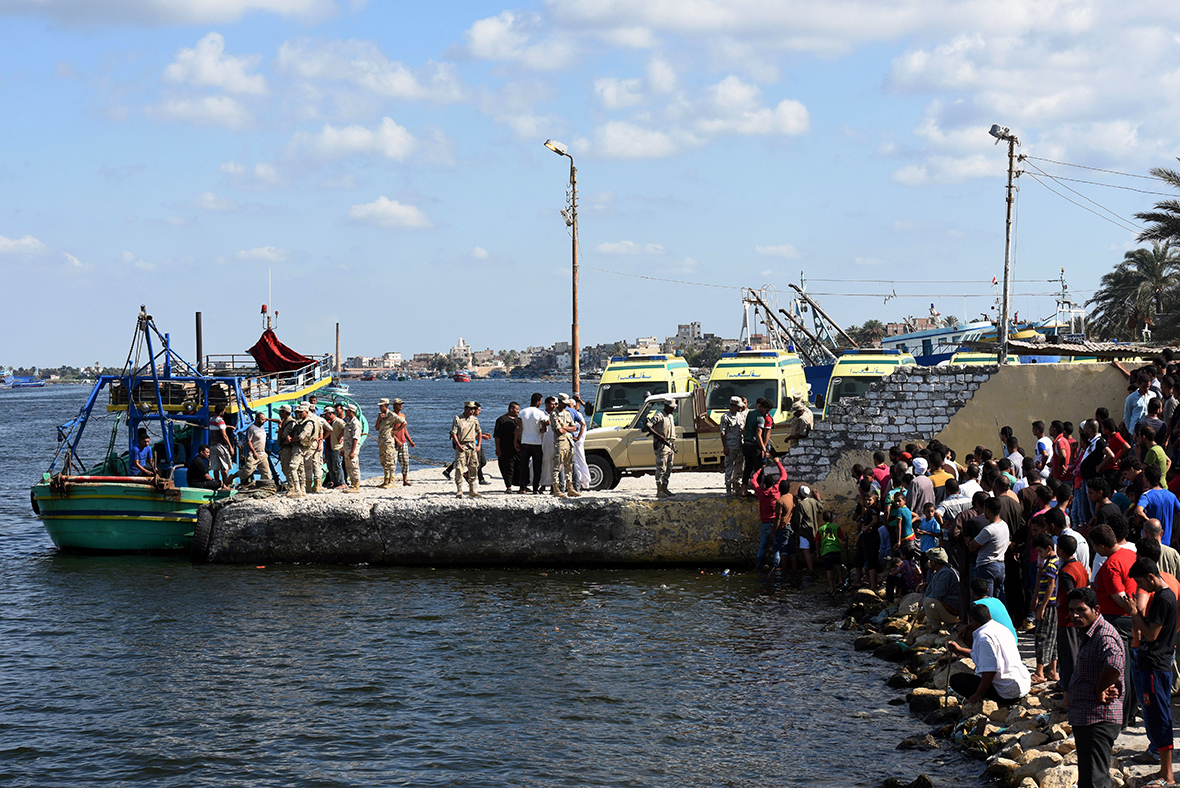 Egyptian men and policemen gather along the shore in the Egyptian port city of Rosetta, during a search operation after a boat carrying refugees capsized in the MediterraneanMohamed el-Shahed/ AFP
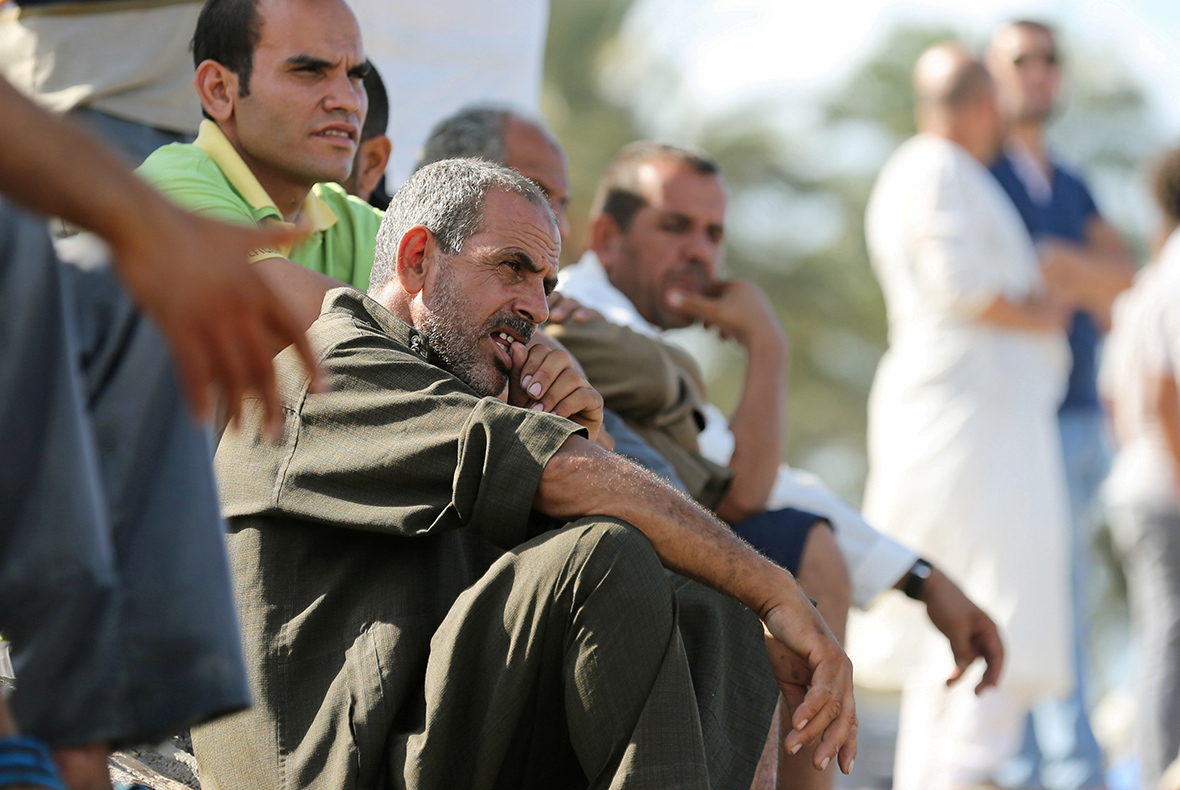 People gather along the shore of the Mediterranean Sea during a search for victims after a boat capsized in Al-Beheira, EgyptMohamed Abd El Ghany/ Reuters
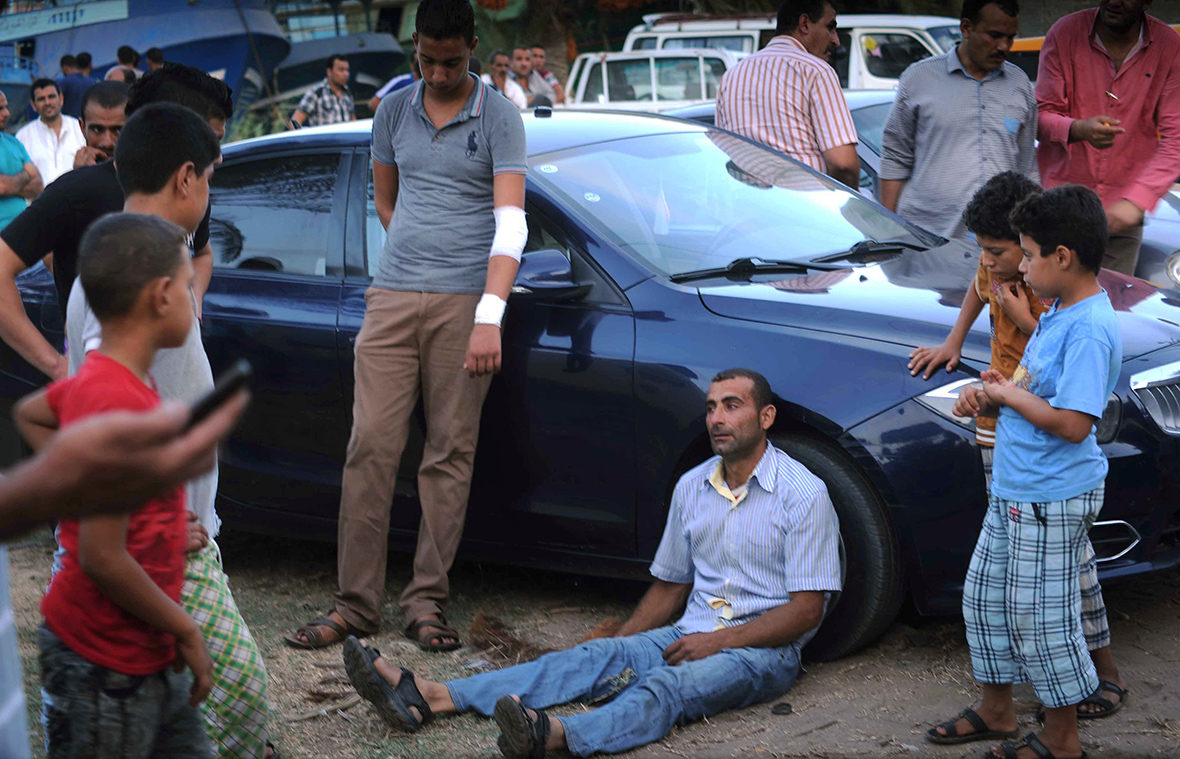 People gather along the shore of the Mediterranean Sea during a search for victims after a boat capsized in Al-Beheira, EgyptReuters
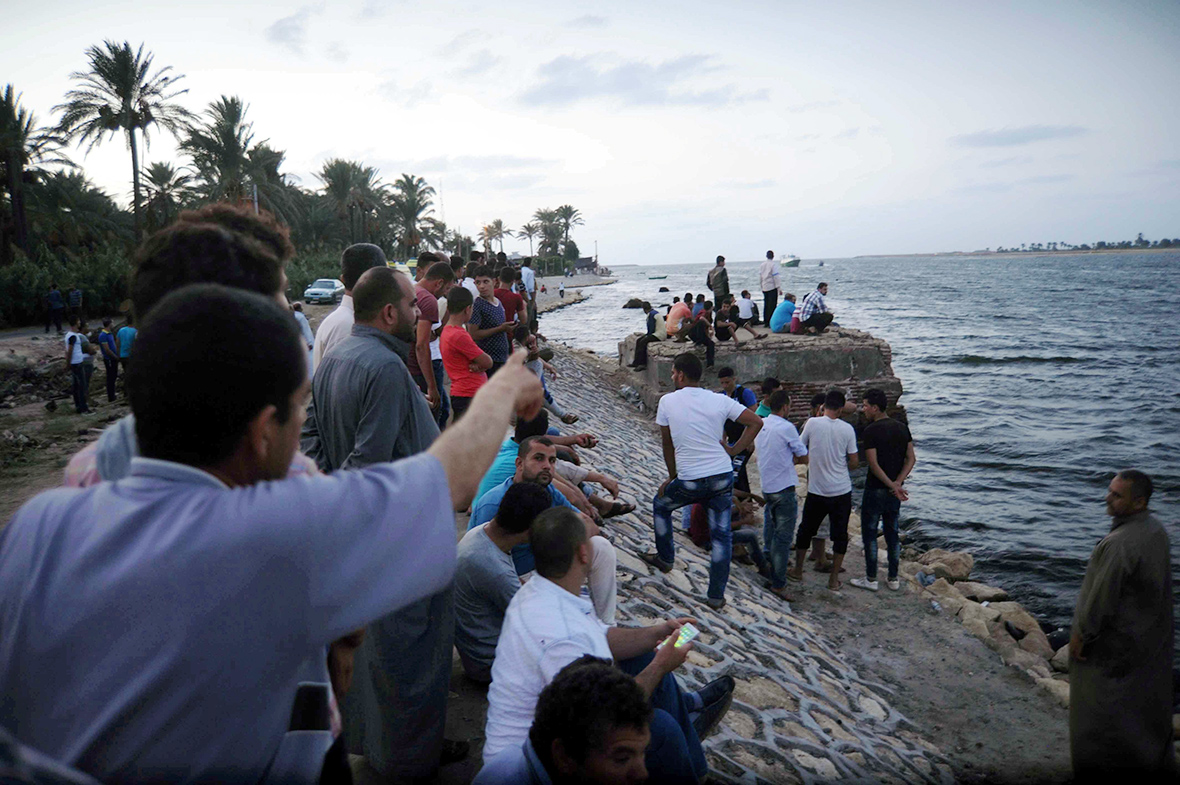 People gather along the shore of the Mediterranean Sea during a search for victims after a boat capsized in Al-Beheira, EgyptReuters
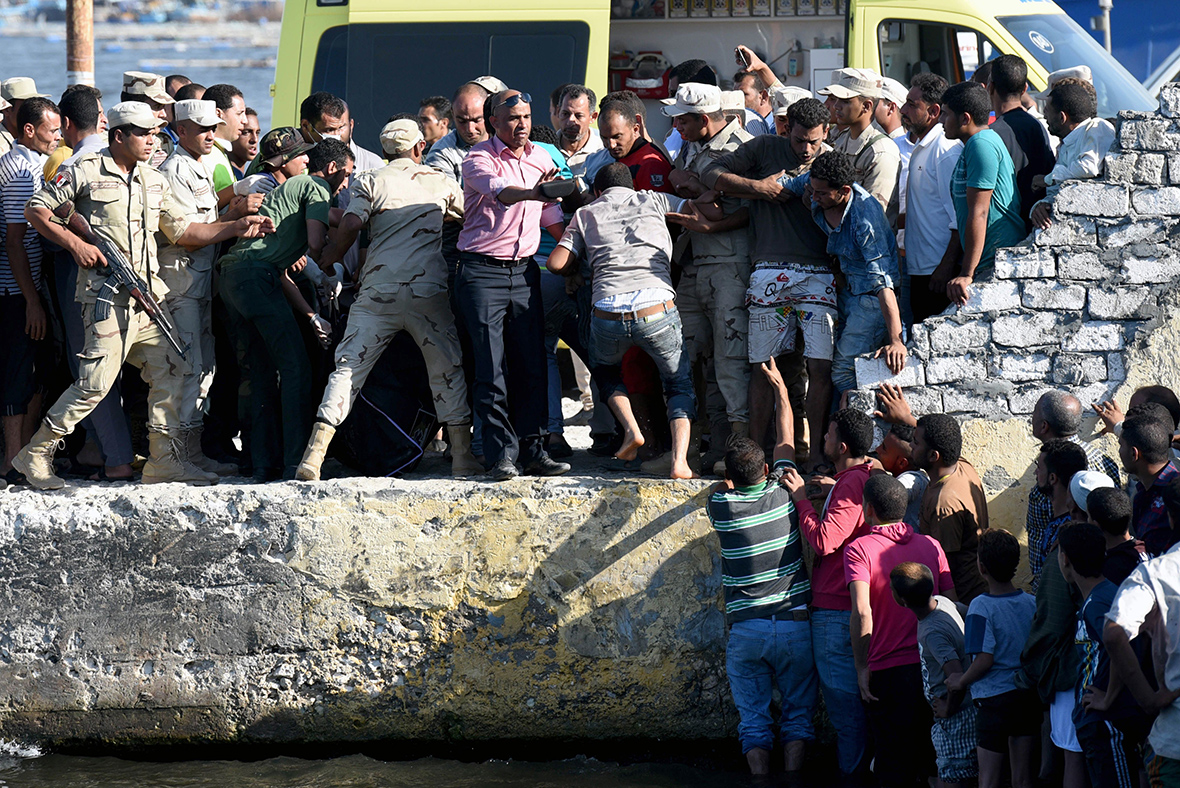 Egyptian men and policemen react after bodies are discovered along the shore in the Egyptian port city of Rosetta, during the search operation after a boat capsized in the MediterraneanMohamed el-Shahed/ AFP
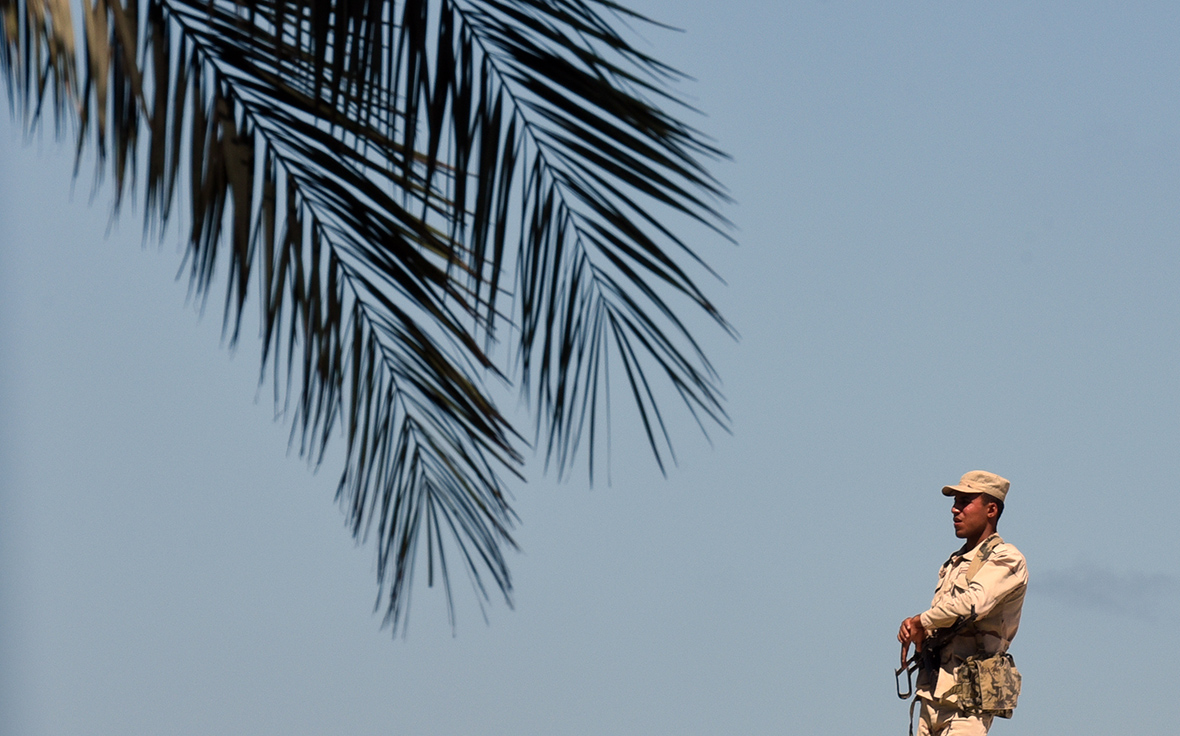 A member of the Egyptian armed forces stands guard on the shore in the Egyptian port city of Rosetta, during the searchMohamed el-Shahed/ AFP
Survivors were detained before being taken to a nearby hospital in Rosetta and were handcuffed to their beds as they received medical attention. Others were taken to a police station, awaiting news as to what will happen to them next. Dozens of family members of those who had been on board gathered at a coastguard checkpoint, awaiting news of missing relatives. Local officials said that 31 bodies had been discovered, 20 men, 10 women and one child. A Reuters correspondent saw a fishing boat bring in 12 more bodies, bringing the death toll to 43.
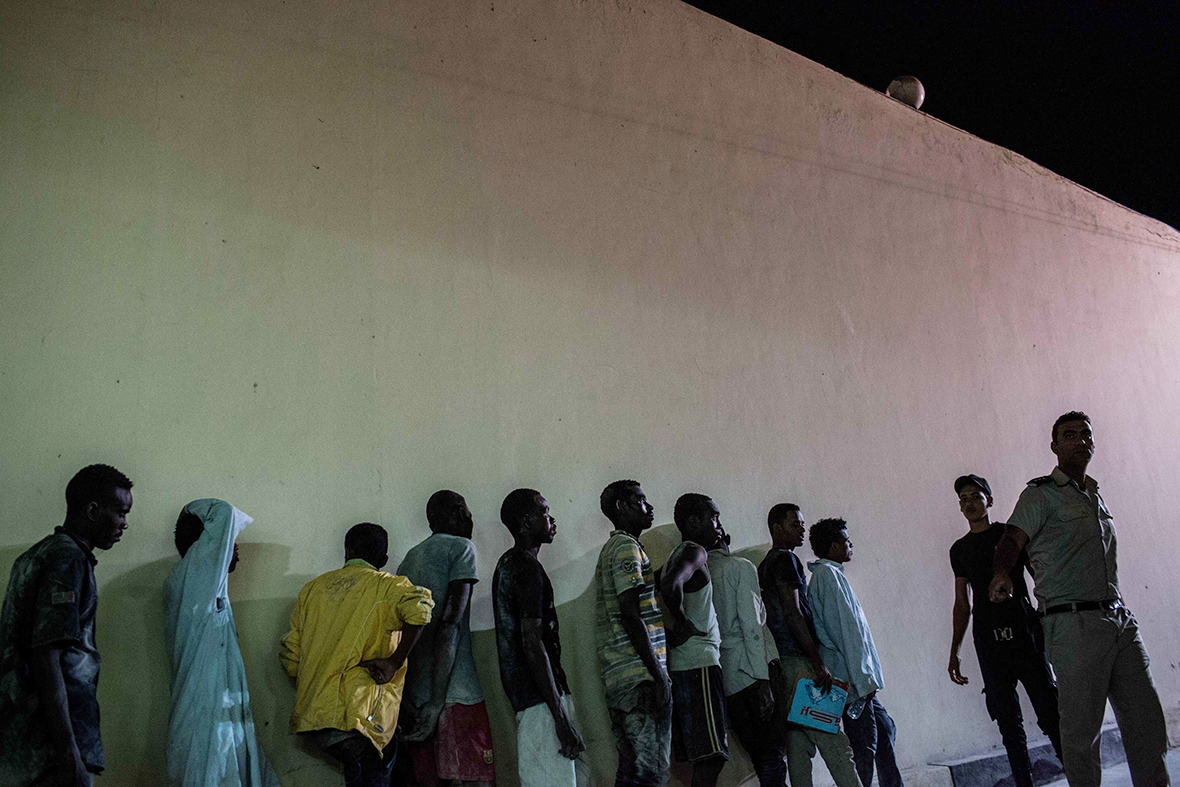 Security officers line up Sudanese people who have been detained at a police station in Rosetta, EgyptEman Helal/ AP
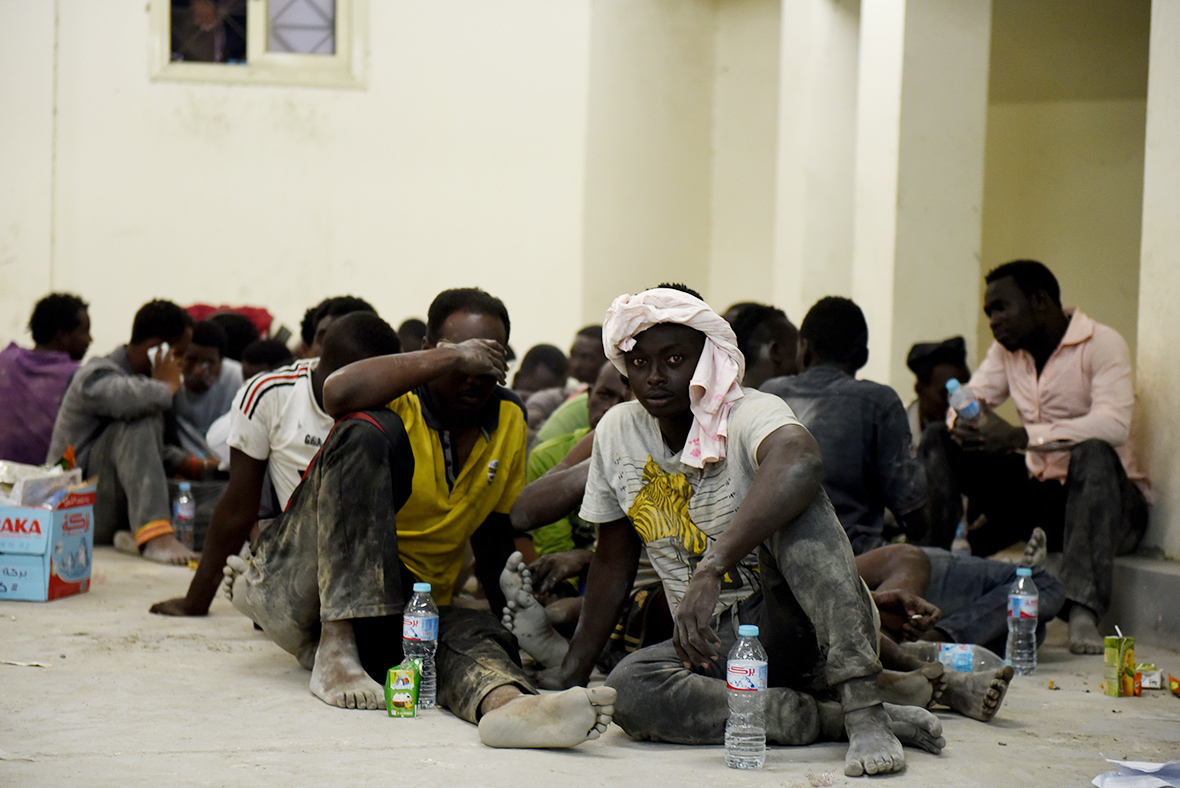 Survivors from a boat that capsized, off Egypt's north coast, sit in a police station in Rashid in northern EgyptMohamed el-Shahed/ AFP
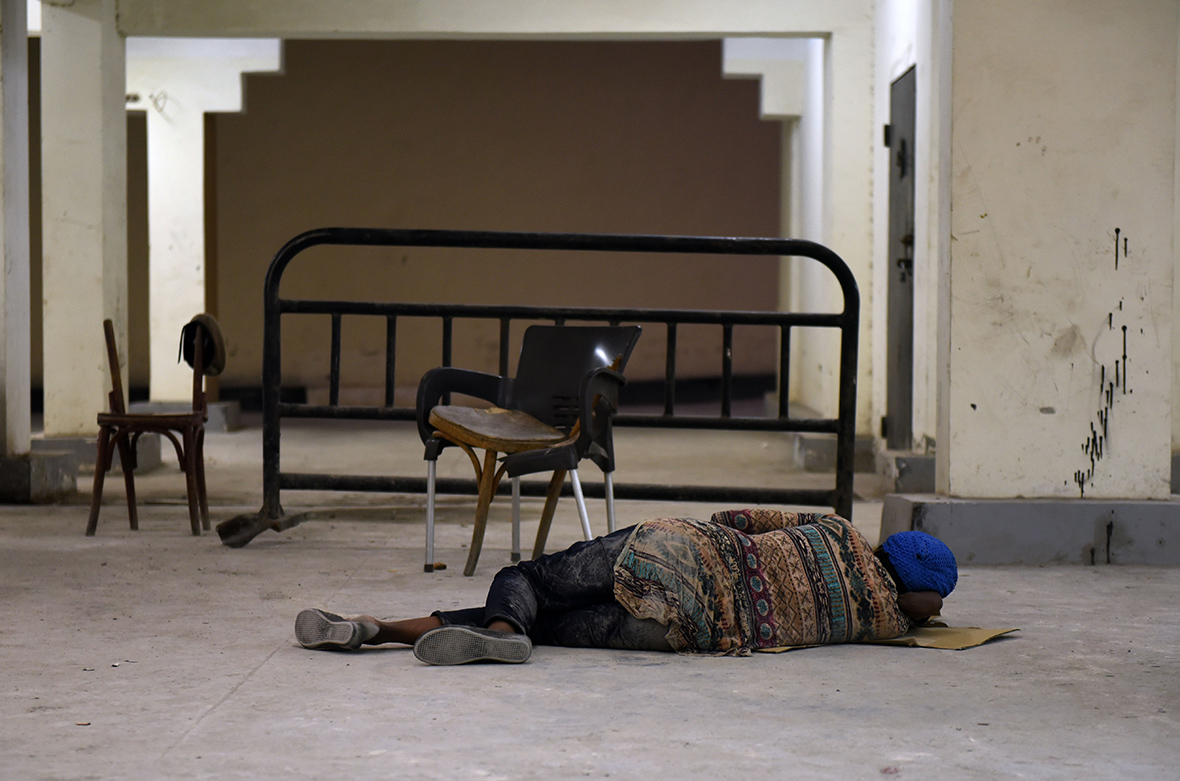 A survivor from a boat that capsized off Egypt's north coast, rests in a police station in Rashid in northern EgyptMohamed el-Shahed/ AFP
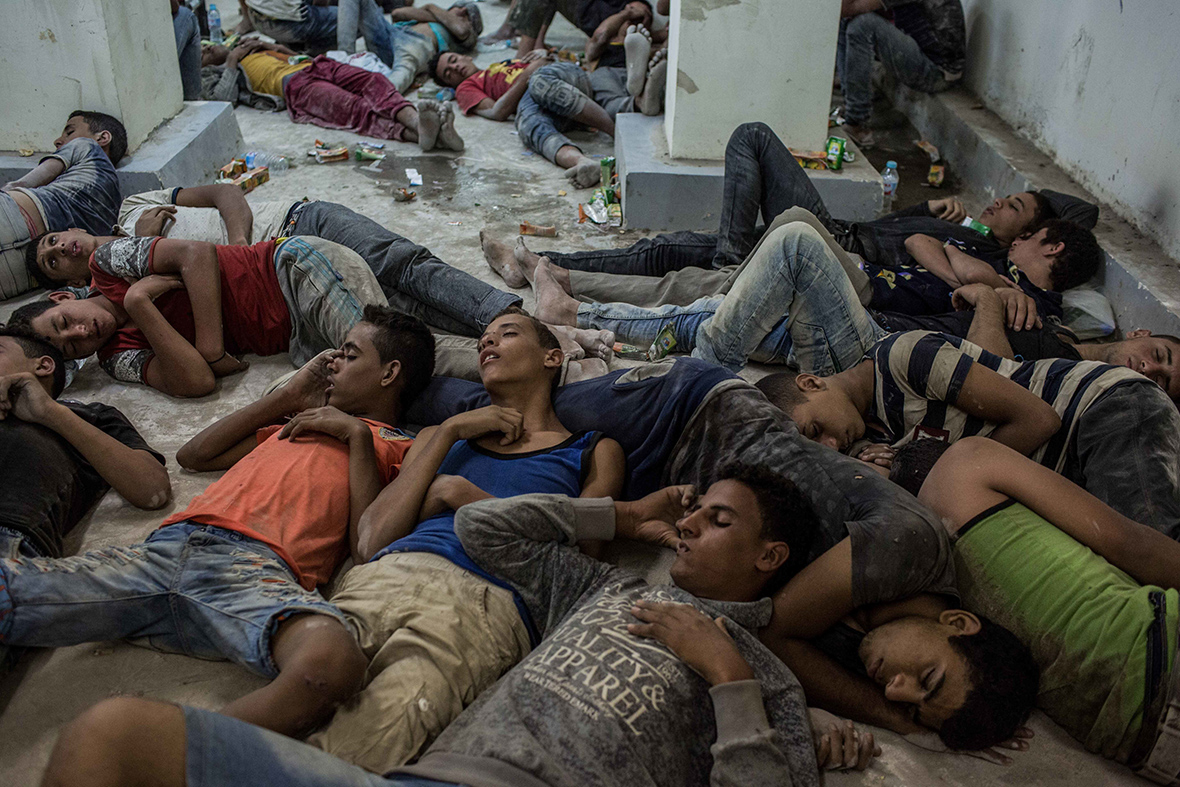 Young Egyptians detained at a police station sleep on the floor in Rosetta, Egypt, after being rescuedEman Helal/ AP
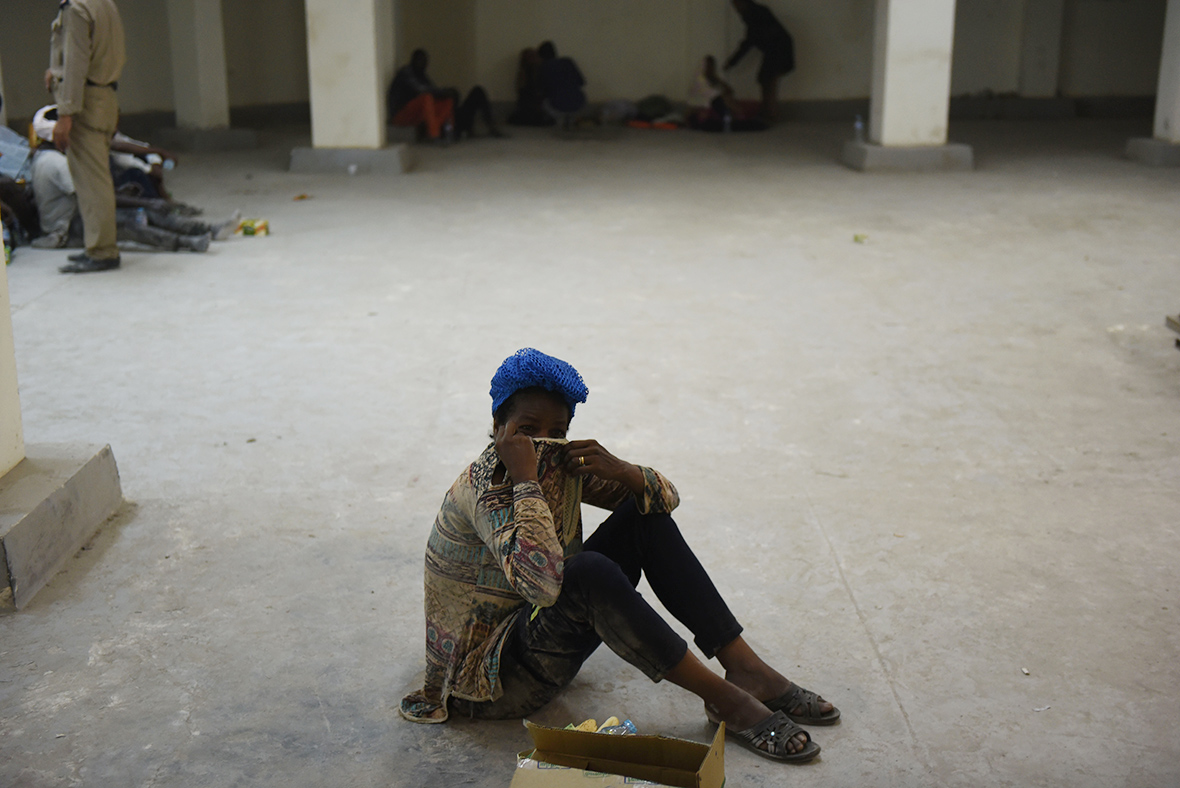 A survivor from a boat that capsized off Egypt's north coast, sit in a police station in Rashid in northern EgyptMohamed el-Shahed/ AFP
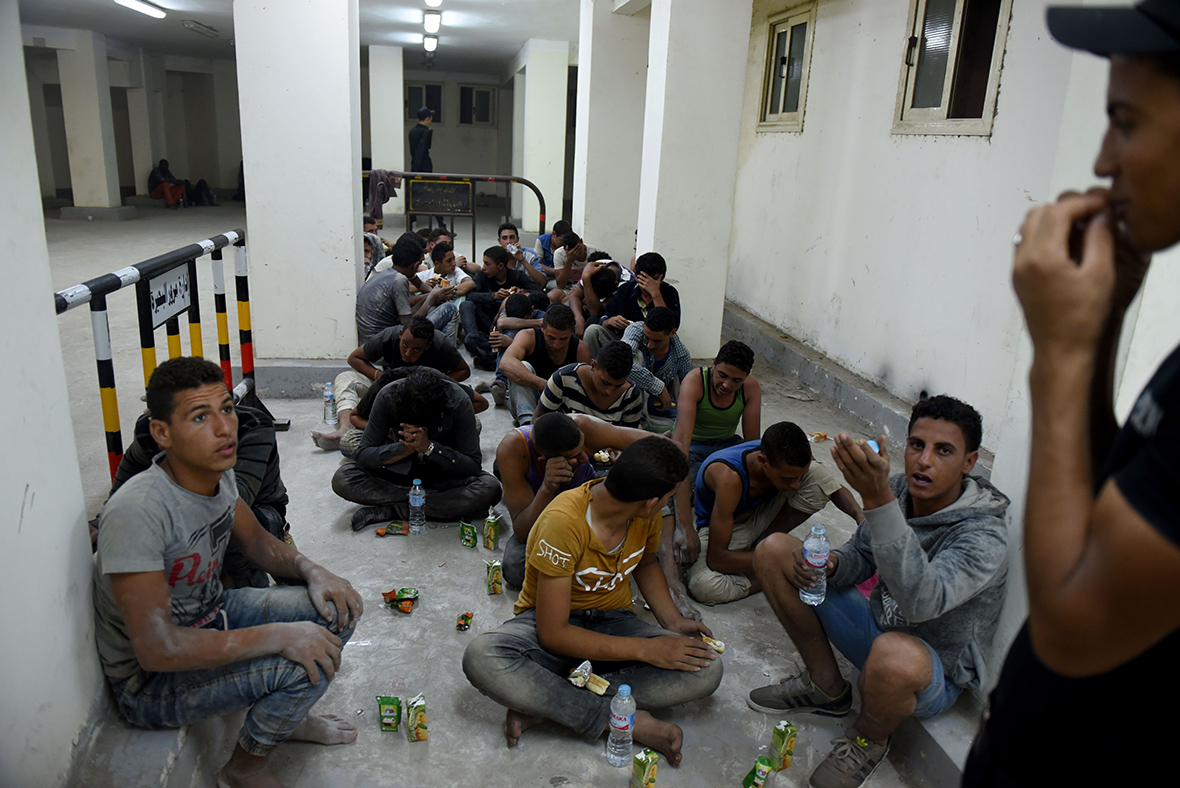 Survivors from a boat that capsized off Egypt's north coast, sit in a police station in Rashid in northern EgyptMohamed el-Shahed/ AFP
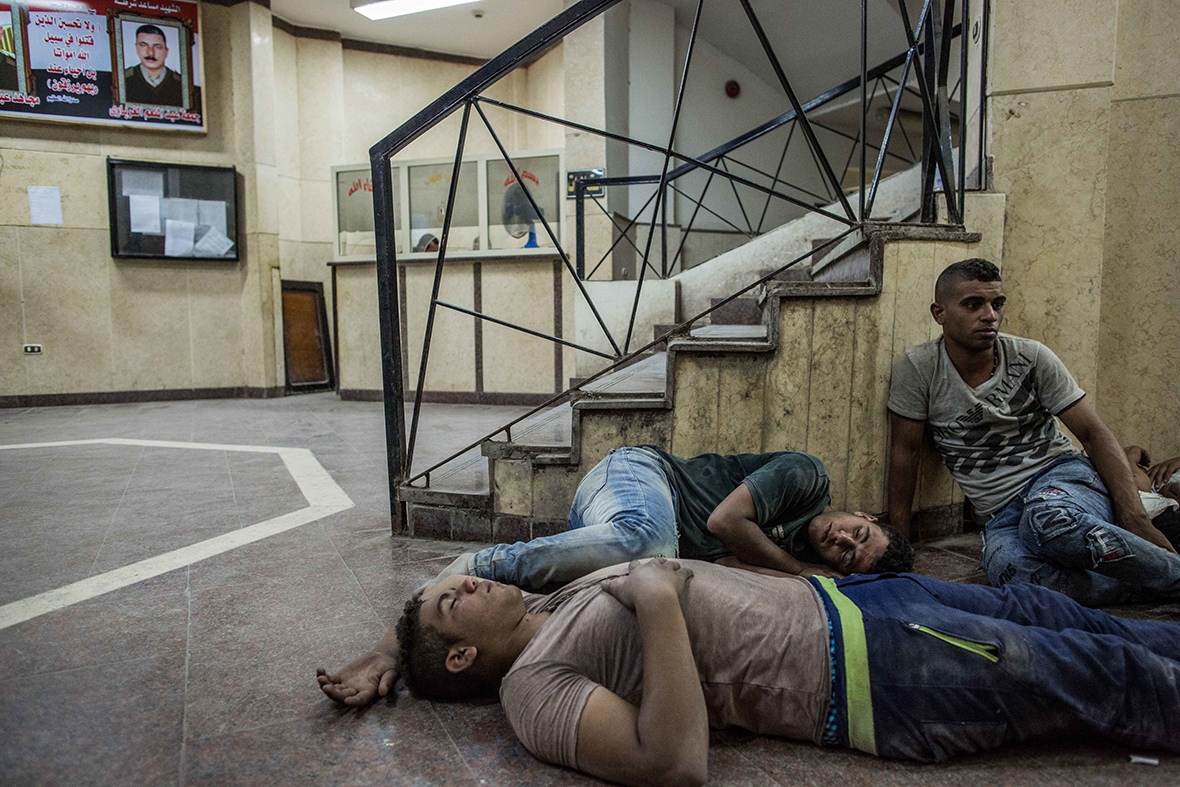 Young Egyptians detained at a police station sleep on the floor after being rescuedEman Helal/ AP
Shaabaan Darwish told Reuters of the despair family members felt when they tried to inform the coastguards that the boat was sinking. "I'm waiting for my cousin. We ran to tell the (coastguard) that the boat was sinking and the people were dying. But they do not care for the people who died, the country we live in looks to these people as dogs, not human beings, because if they had treated them like human beings, the Navy would have been informed and not so many people would have died. But, what is it to them but some dogs who died, this isn't our country. This is not our country."
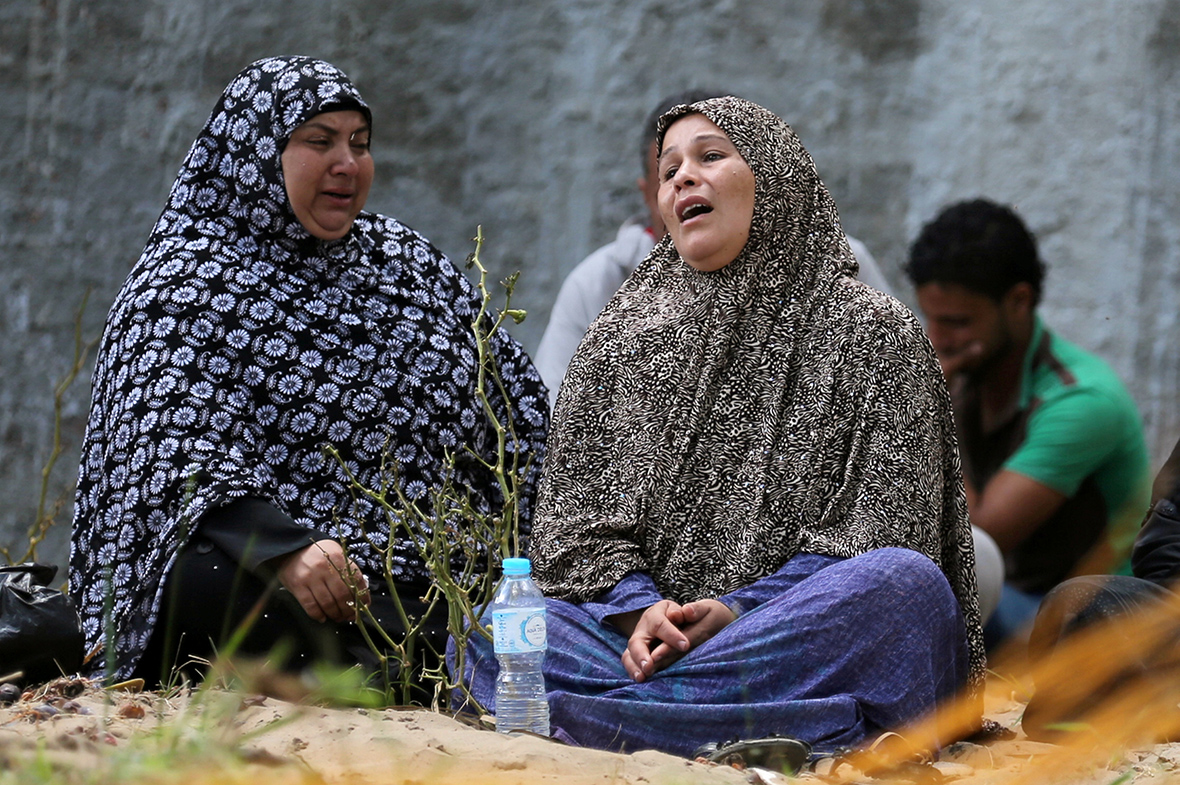 Relatives of missing persons from a capsized boat in the Mediterranean Sea are pictured in Al-Beheira, EgyptMohamed Abd El Ghany/ Reuters
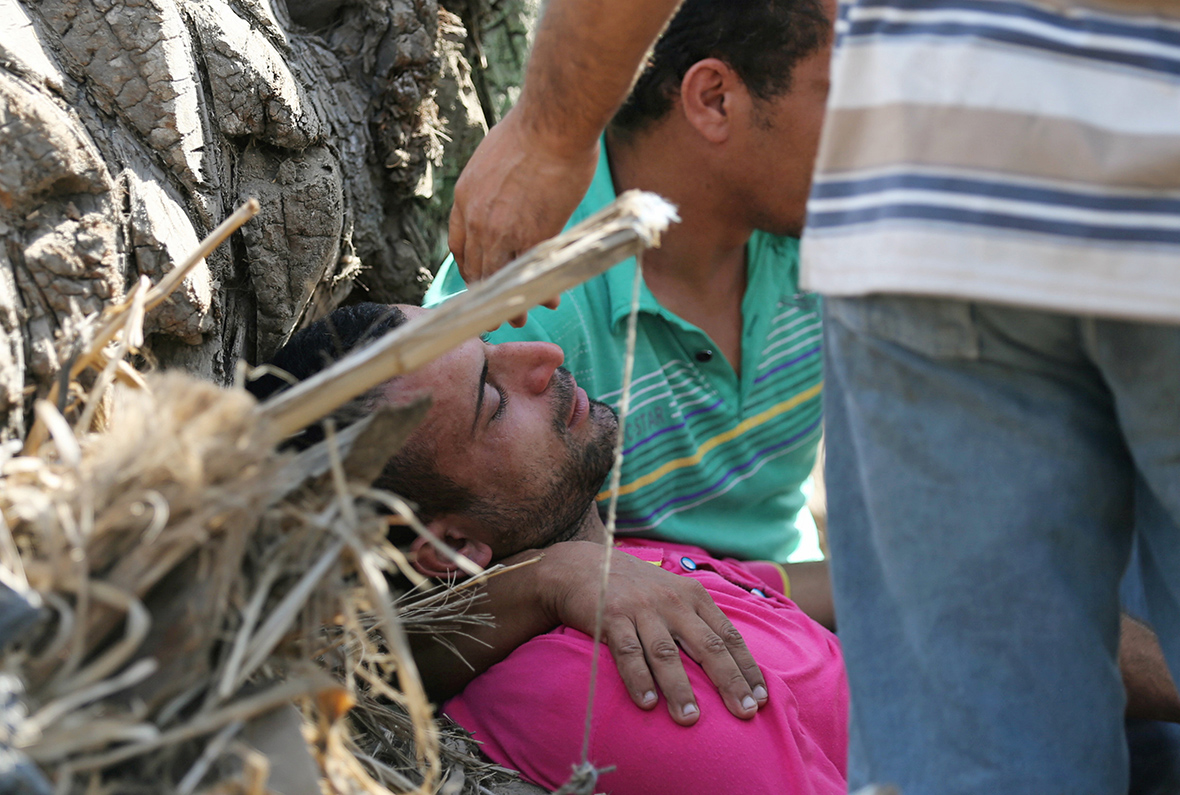 Relatives of missing persons from a capsized boat in the Mediterranean Sea are pictured in Al-Beheira, EgyptMohamed Abd El Ghany/ Reuters
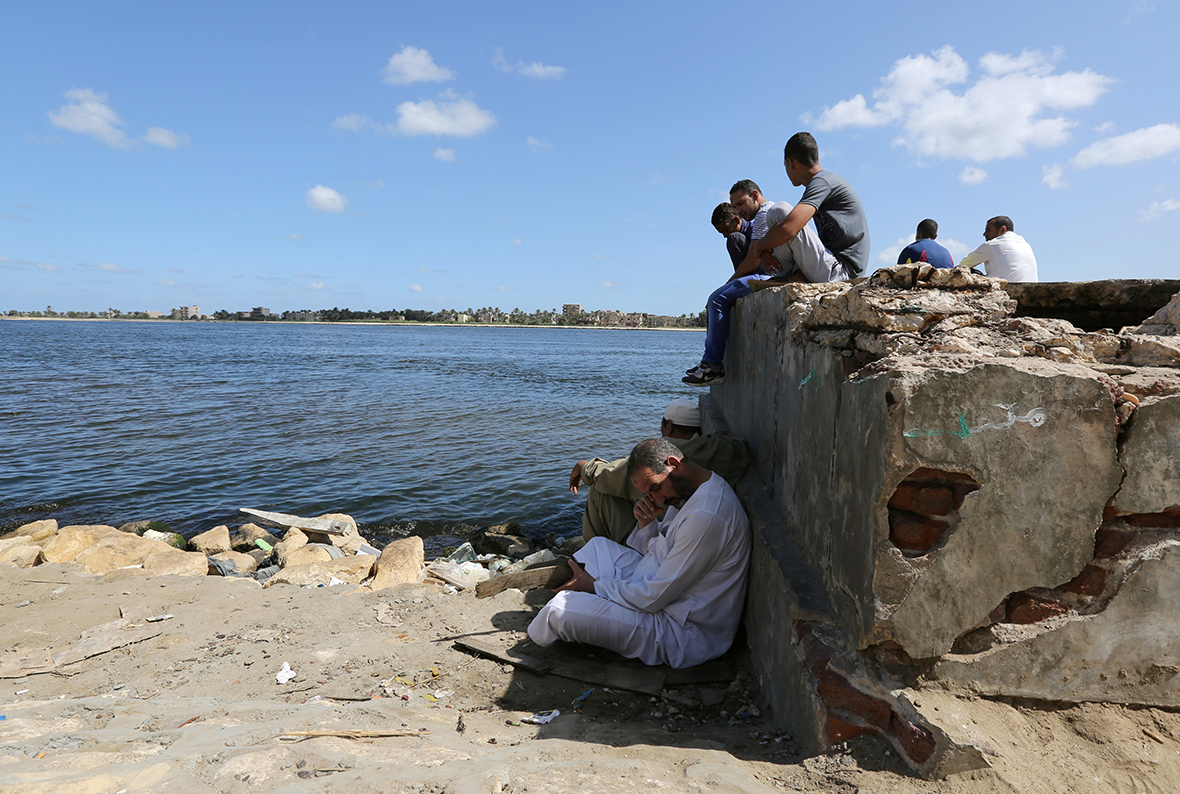 Relatives of missing persons from a capsized boat in the Mediterranean Sea are pictured in Al-Beheira, EgyptMohamed Abd El Ghany/ Reuters
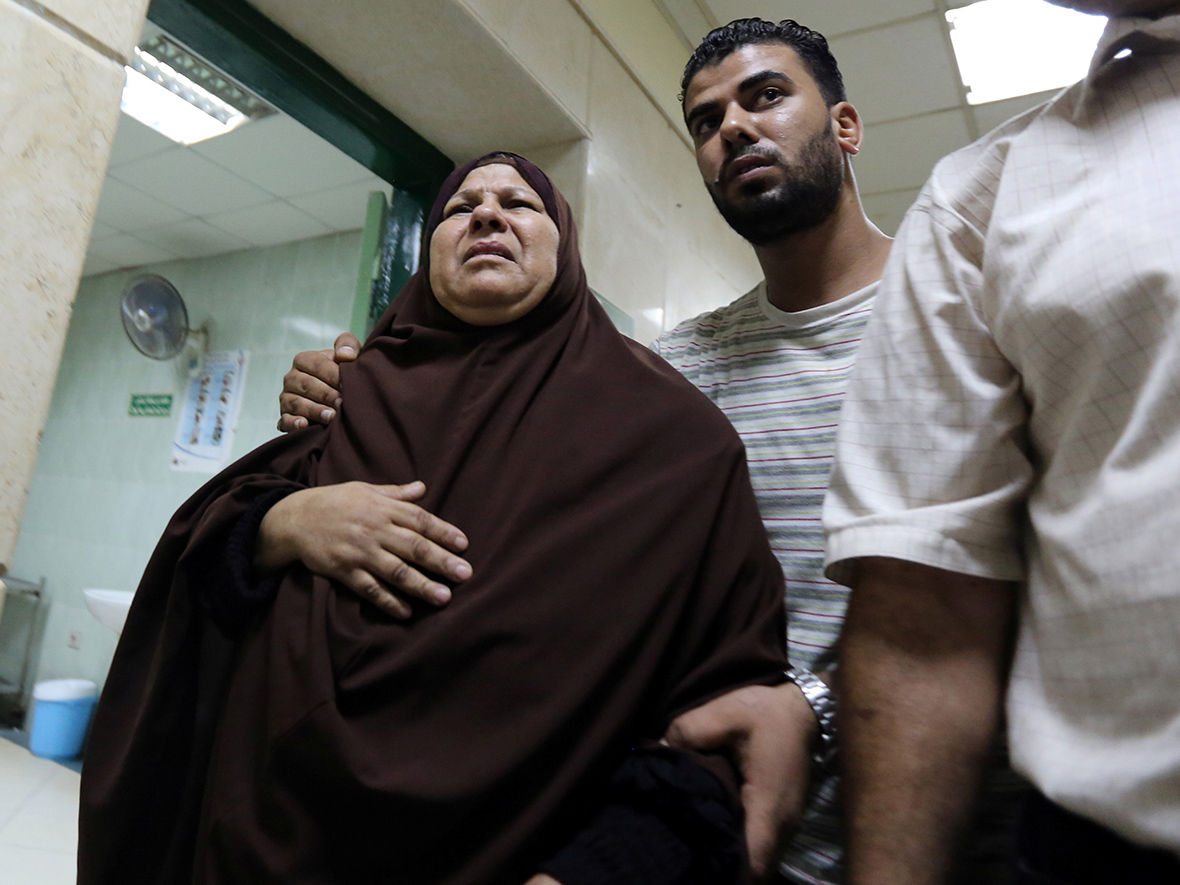 Relatives of missing persons who were onboard the boat, which in the Mediterranean Sea are pictured in Al-Beheira, EgyptMohamed Abd El Ghany/ Reuters
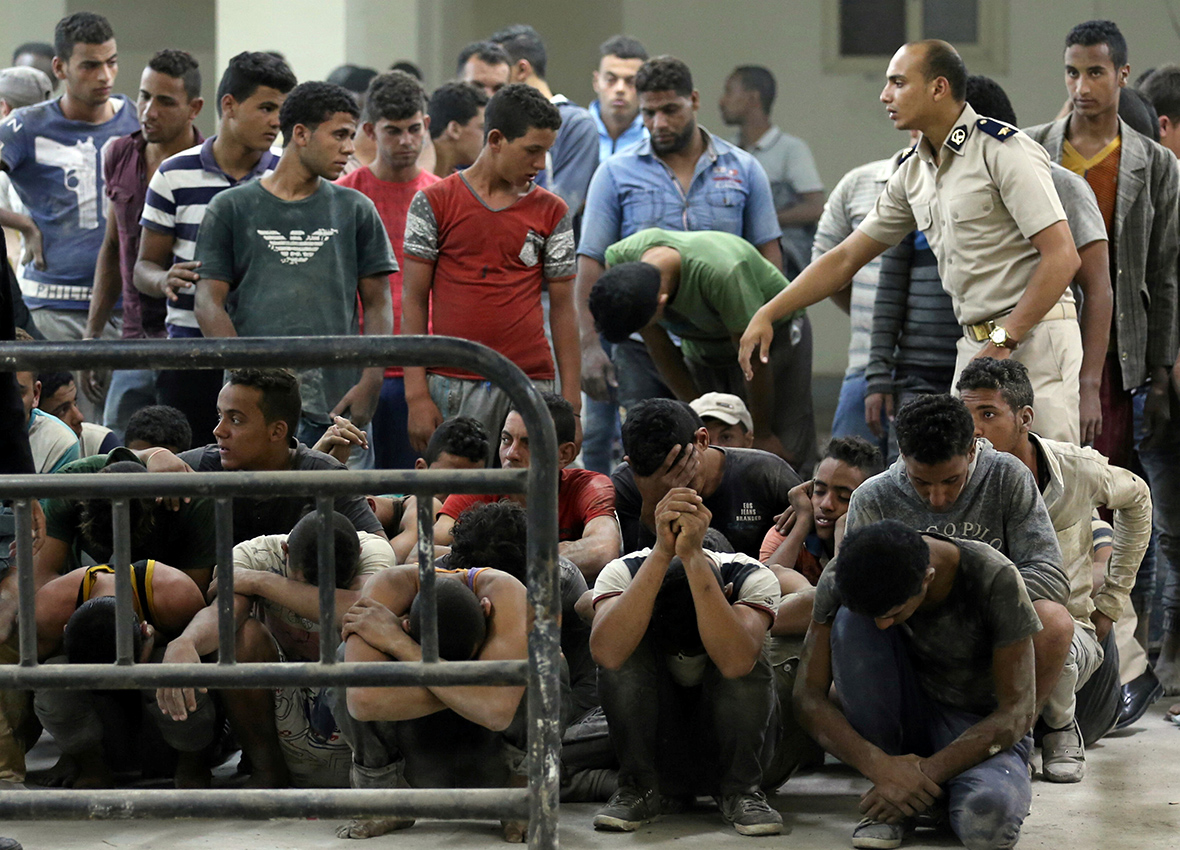 People who were rescued from a boat that capsized in the Mediterranean Sea are pictured in Al-Beheira, EgyptMohamed Abd El Ghany/ Reuters
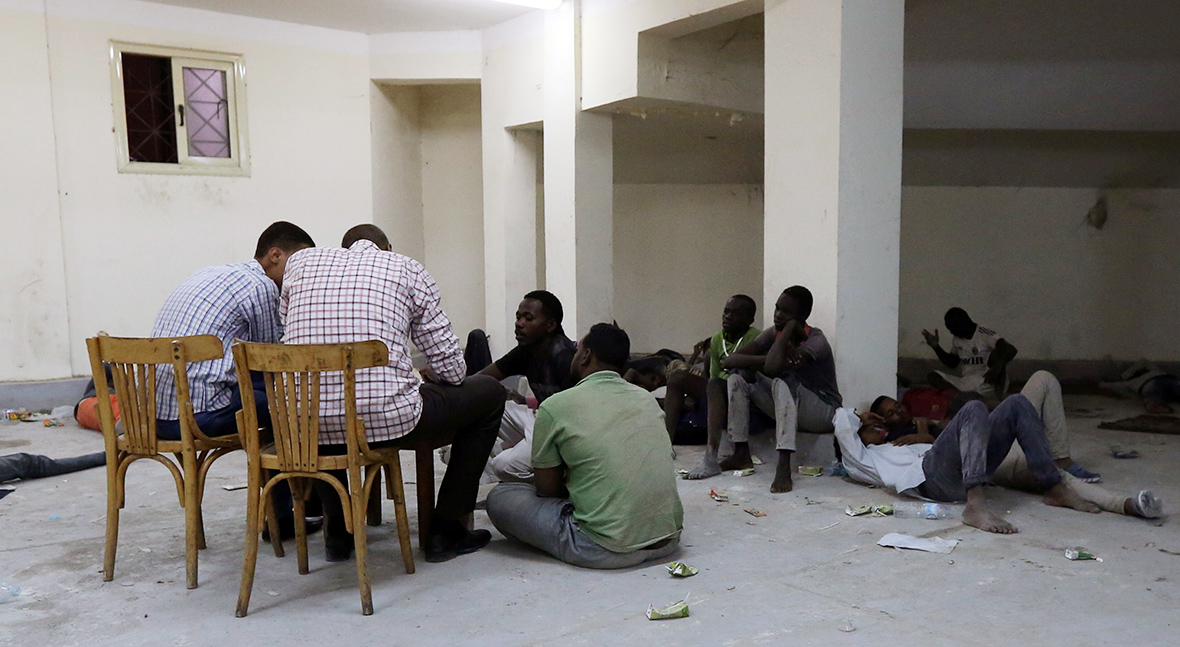 People who were rescued from a boat that capsized in the Mediterranean Sea are pictured in Al-Beheira, EgyptMohamed Abd El Ghany/ Reuters
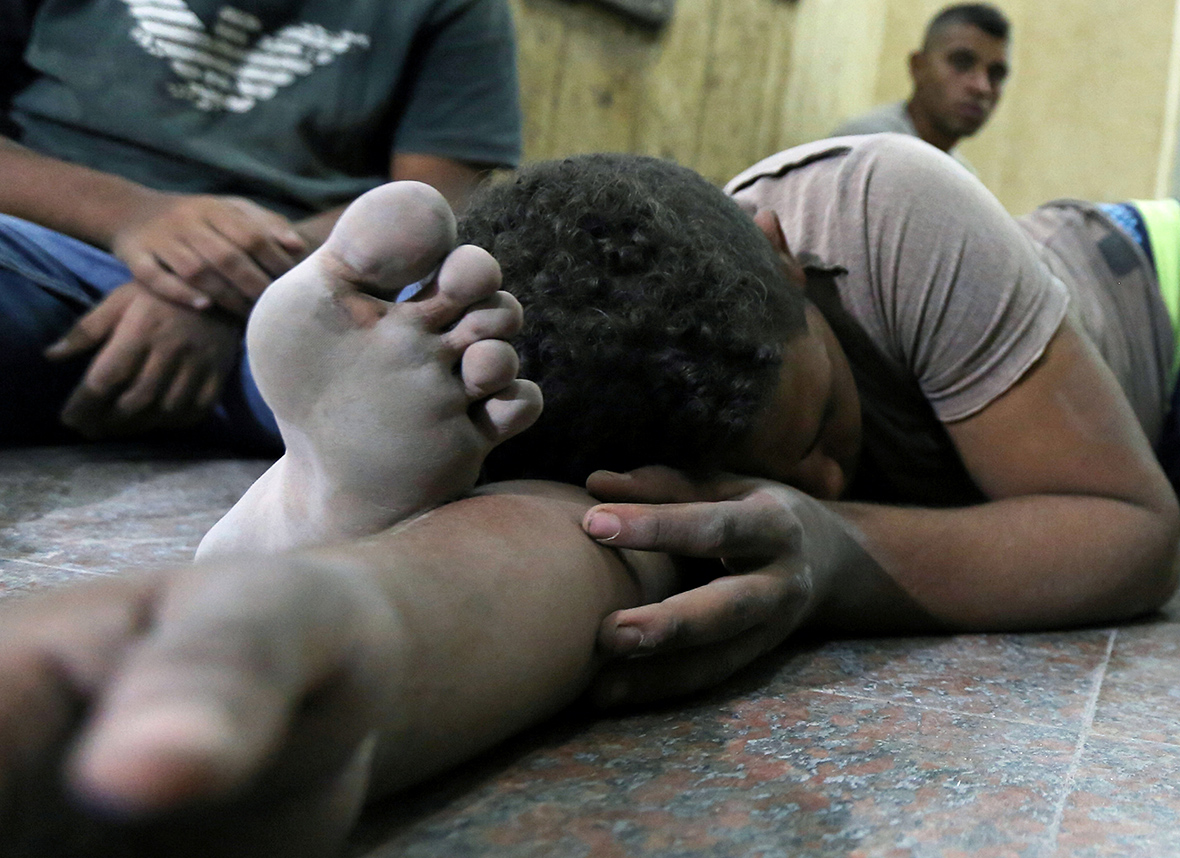 People who were rescued from a boat that capsized in the Mediterranean Sea are pictured in Al-Beheira, EgyptMohamed Abd El Ghany/ Reuters
Abdelrahman al-Mohamady, a fisherman who used his boat to search for survivors, told Reuters the Egyptian coastguard showed up hours after the accident. He said: "Nobody came. We returned 91 people, including a Syrian woman who died, whom we picked up out of the water. We didn't see anyone [officials]. Anyone who was saved here, was saved by the fishermen boats. The coastguard arrived in the afternoon, after 5pm. The families of the migrants have been here since dawn. If the general in charge had called the Navy then, none of them would have died."
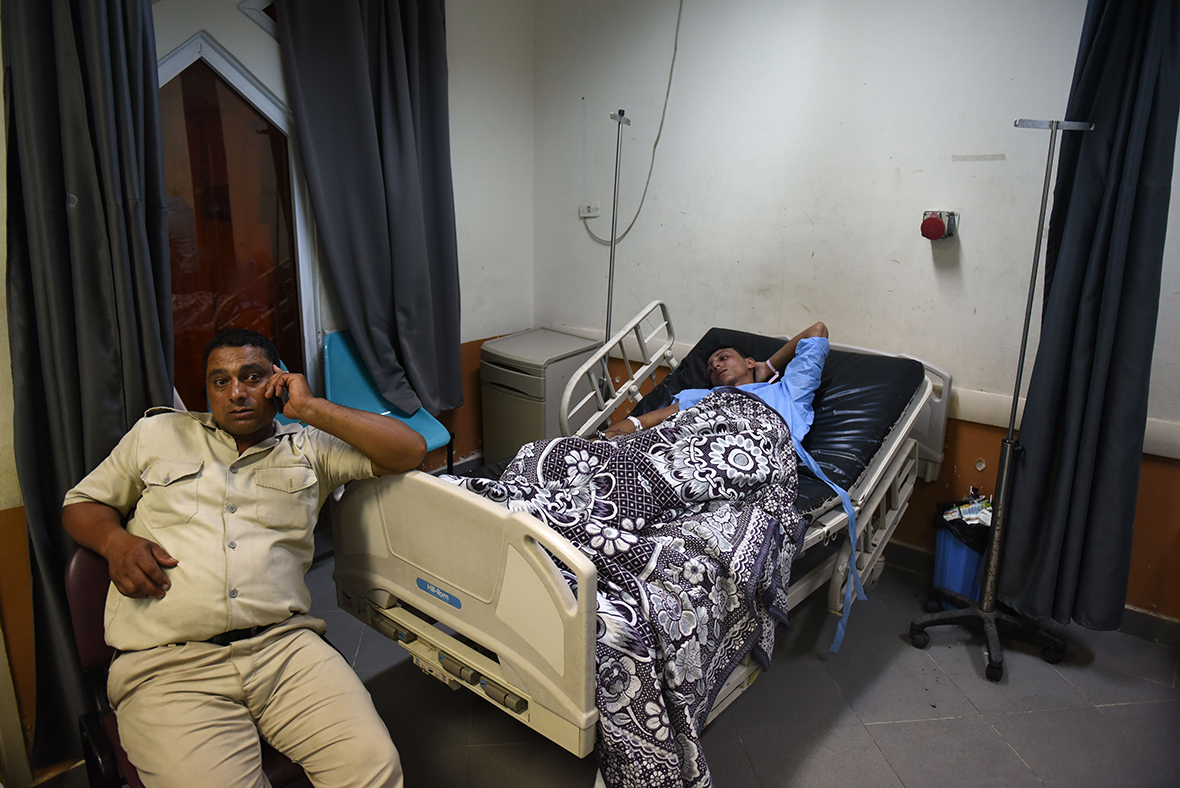 Ahmed Gamal, a 17-year-old Egyptian teenager from Kafr Shukr, lies in bed at Rashid hospital in Rosetta, northern EgyptMohamed el-Shahed/ AFP
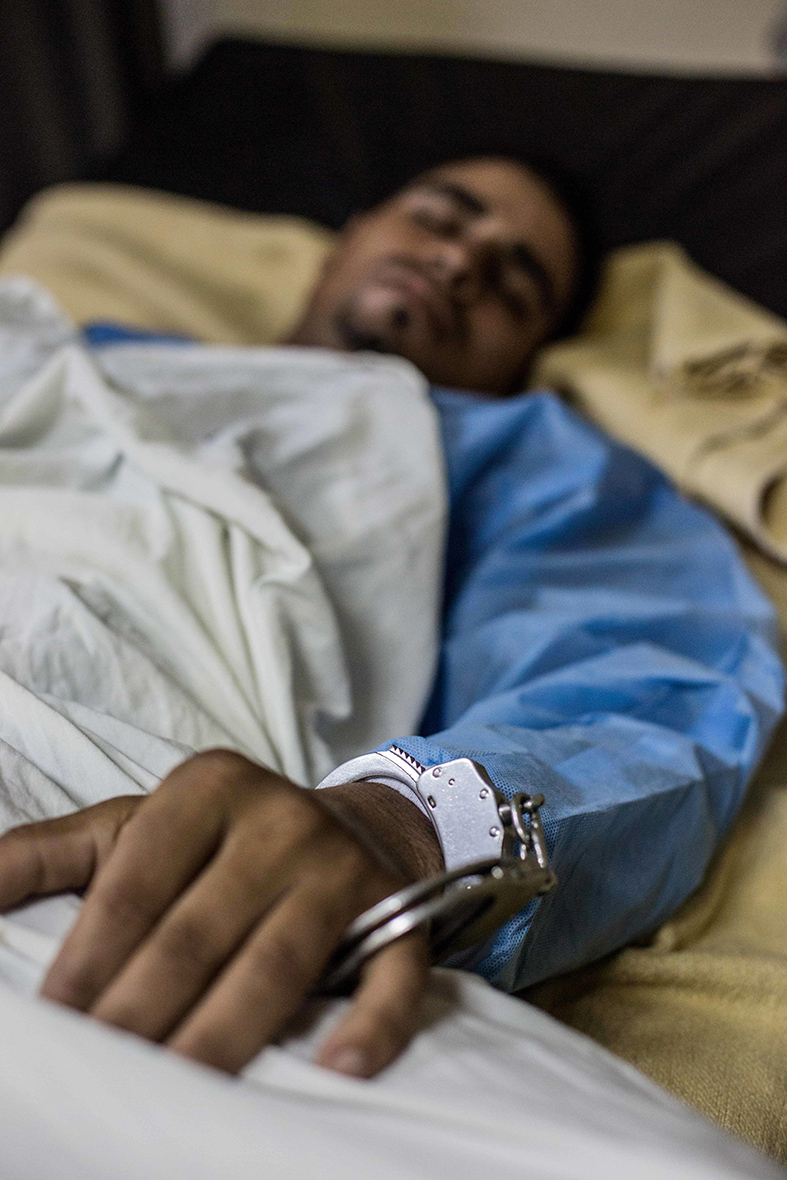 Metwaly Mohamed Ahmed, an Egyptian man, sleeps at a hospital in Rosetta, Egypt, after being detainedEman Helal/ AP
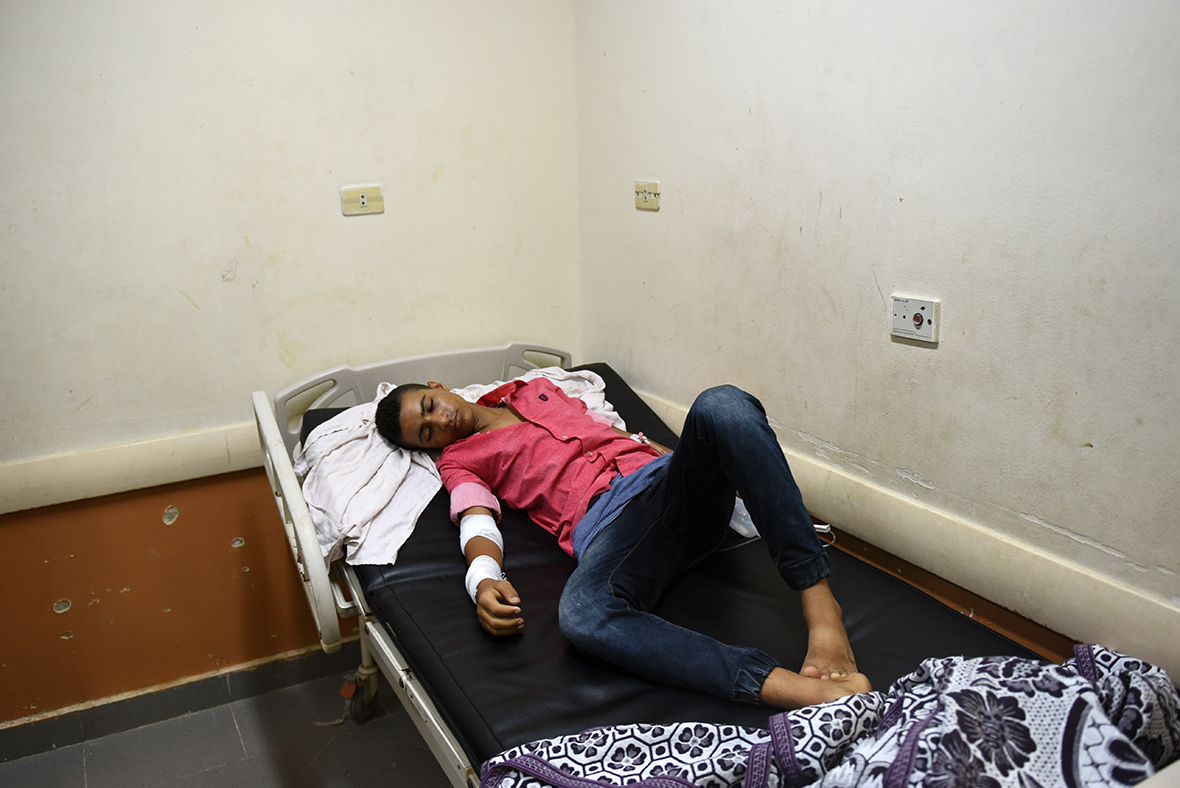 Sameh Mohamed Ahmed Abdel Dayem, an 18-years old Egyptian student from Kafr El-Sheikh, lies in bed after being rescuedMohamed el-Shahed/ AFP
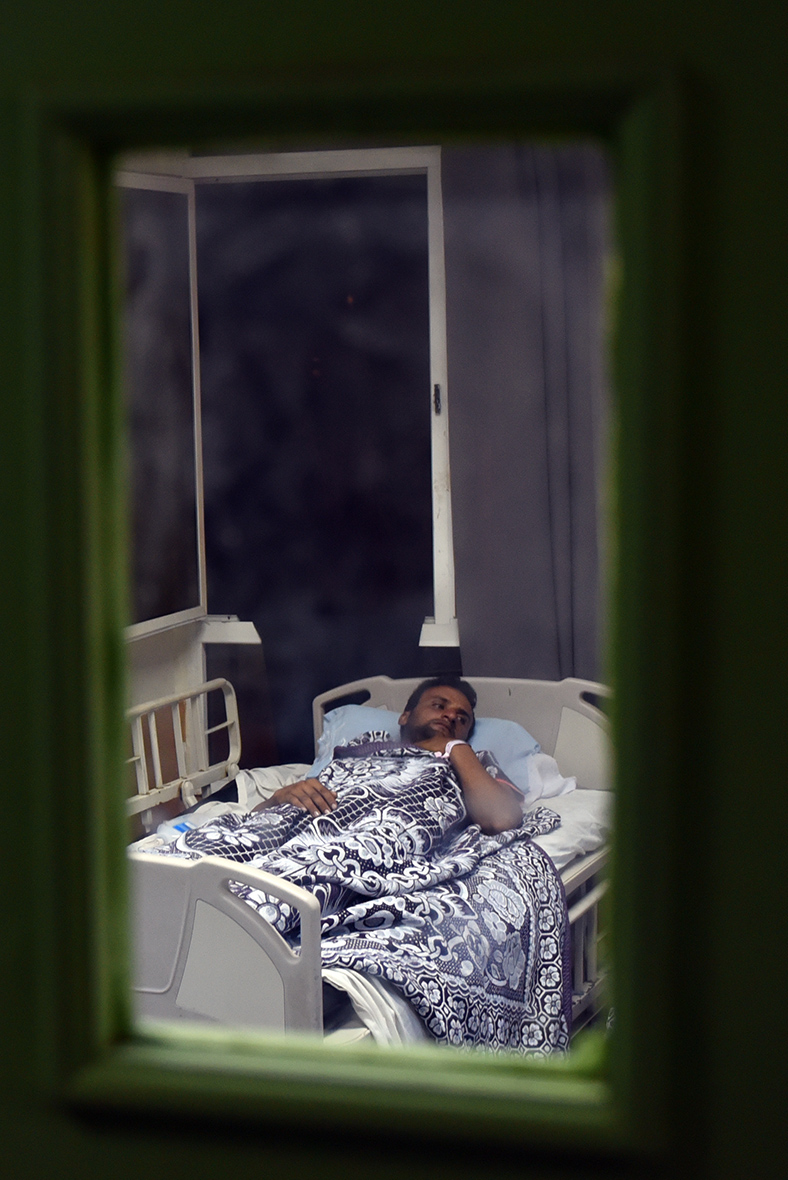 Bader Mohammed Abdel Hafez, a 29-years old Egyptiqn from Faqous, Sharkia Governorate, lies in bed at Rashid hospital in Rosetta, northern EgyptMohamed el-Shahed/ AFP
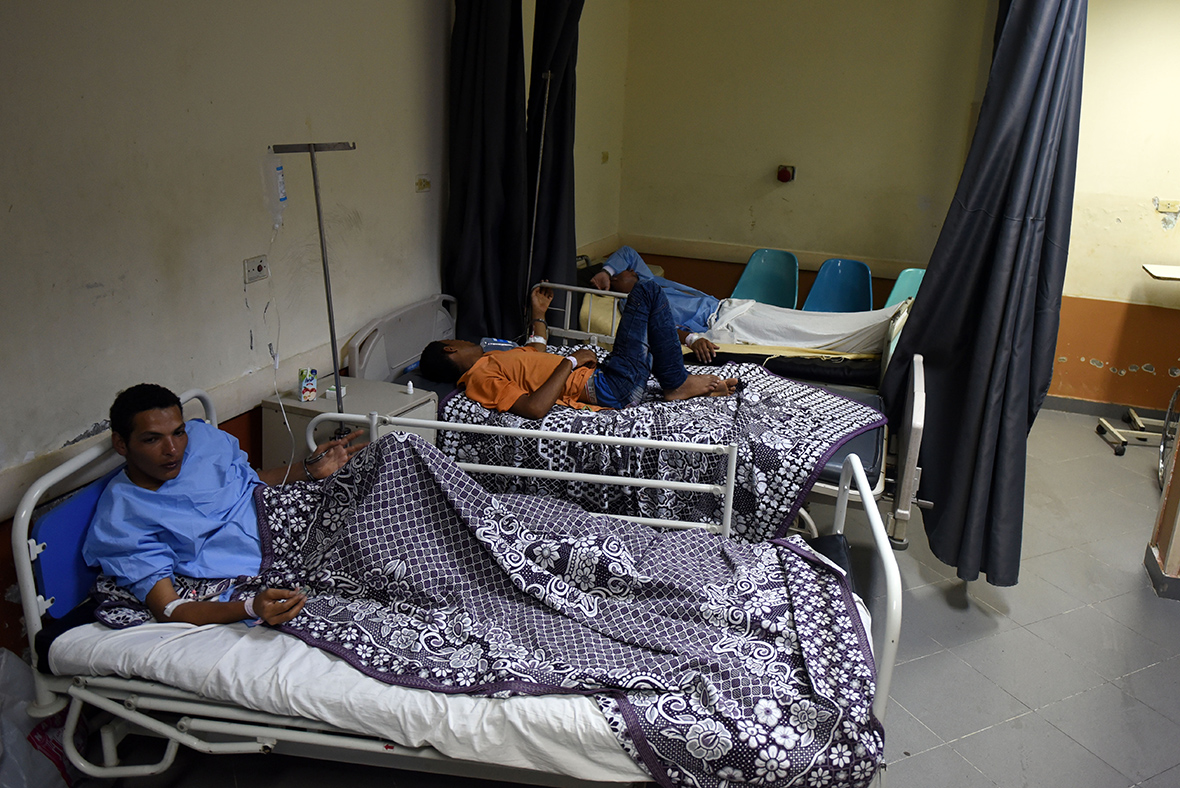 People lie in bed at Rashid hospital in Rosetta, northern Egypt, after being rescuedMohamed el-Shahed/ AFP
The number of refugees and migrants trying to cross the Mediterranean Sea from Egypt to Europe has increased significantly in the past year. Over 12,000 people arrived in Italy from Egypt between January and September, compared with 7,000 in the same period last year. This is due to new routes, particularly from Egypt, which are longer and far more risky according to the International Organisation for Migration. The refugee crisis has proven deeply divisive in Europe, which has failed to come up with a unified response, while thousands continue to die at sea, desperately trying to escape war-torn countries and severe poverty. World leaders, including Egyptian President Abdel Fattah al-Sisi, gathered in New York this week at the United Nations General Assembly to discuss the crisis.
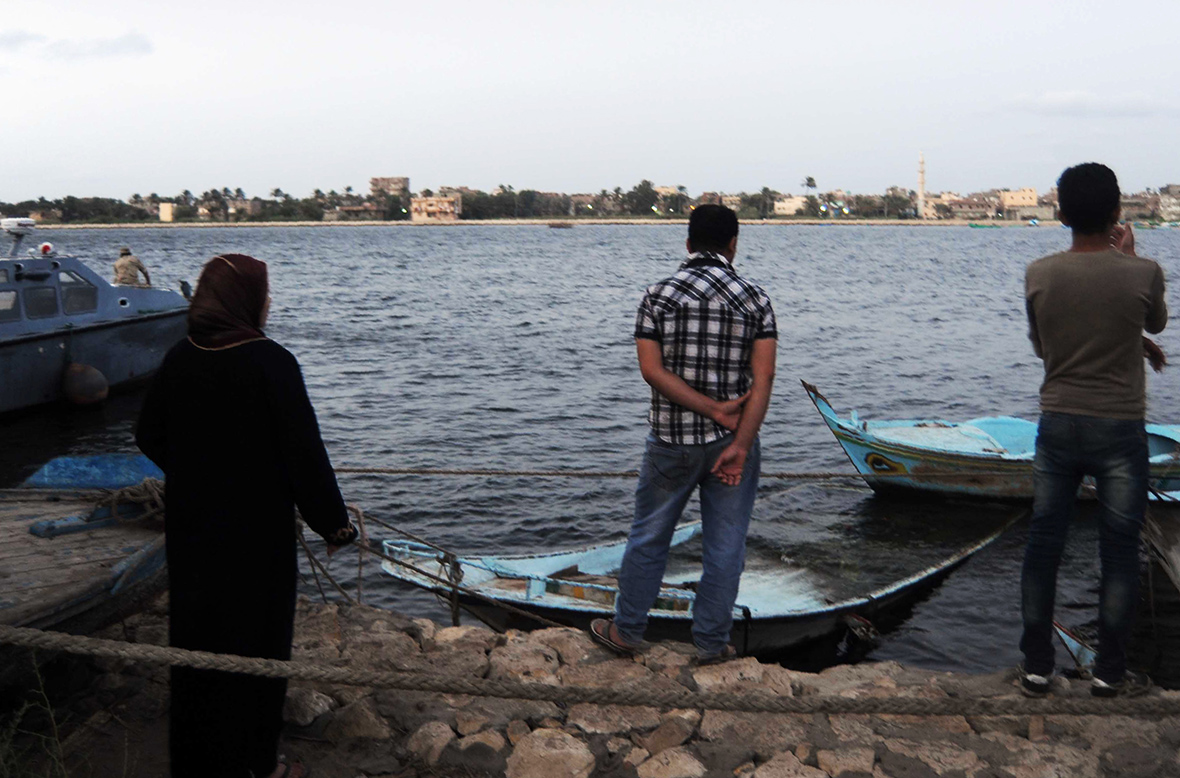 People gather along the shore in the Egyptian port city of Rosetta, during a search operation after a boat carrying migrants capsized in the MediterraneanAFP/ Getty Images



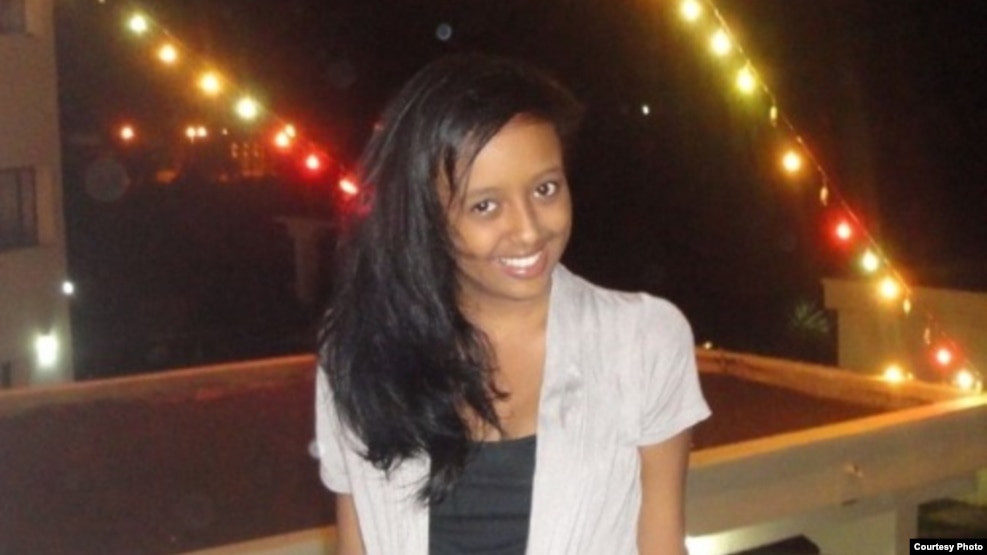 Ciham Ali Abdu pictured just before the time of her arrest on December 8, 2012 when she was 15. (Photo: courtesy of the family)


Sunday 18 September 201608.00 BST
Shares
Comments
22Exactly 15 years ago, Eritrea’shard-won independencewas hijacked by a paranoid political elite who have clung to power ever since.
It was on this day in 2001 that President Isaias Afwerki jailed 11 top government officials and banned seven independent newspapers. So started the insidious takeover that has seen the country become a military state, prompting the exodus of Eritreans to Europe we are witnessing today.
State security agents then rounded up and jailed 12 journalists. To this day, none of the detainees have been tried in a court of law, and theyremain incommunicadoin secret prisons. Their families don’t know if they are alive.
Many civilian posts were taken over by military commanders. The army was stationed in all major towns and cities, and anyone working in the public sector was instructed to report to them.
As army rule crept in, the rule of law deteriorated. Institutionalised corruption and nepotism became the new normal. Arbitrary arrests and forced disappearances turned the country into a penitentiary state with countless underground prisons.
Recent research byEritrean human rights groupssuggests more than 360 facilities are still holding more than 10,000 prisoners of conscience.
After the ban on the private newspapers, information became centralised. State journalists continue to work under intense fear, and foreign correspondents and NGOs have in effect been banned from entering. The few who do gain access are providedwith government minders–not unlike in North Korea.
Even a state-sanctioned radio station, Radio Bana, sponsored by the education ministry, was banned.The station was raided in February 2009and the security services arrested the entire staff, many of whom were only released afterfour to six years in jailwithout charge.
In 2012, the country introduced compulsory military service for all young men and women, including former freedom fighters. In the years since then,the UN has found the governmenthas “committed crimes against humanity in a widespread and systematic manner”, and has called for perpetrators to be tried by the international criminal court.
It is combination of all these factors that is causing an estimated 5,000 Eritreans to leave the country each month. It’s not surprising: when a generation of young people have had all hope and freedom taken away from them, the gamble of the journey across the Mediterranean offers an attractive alternative – no matter the risk.
I am one of those who escaped. I now work with a group of Eritrean journalists in exile to report on our inaccessible homeland and campaign on behalf of our peers stuck in prison. If we don’t speak for them, nobody will.
Source=https://www.theguardian.com/world/2016/sep/18/eritrea-is-a-prison-state-no-wonder-so-many-are-desperate-to-escape