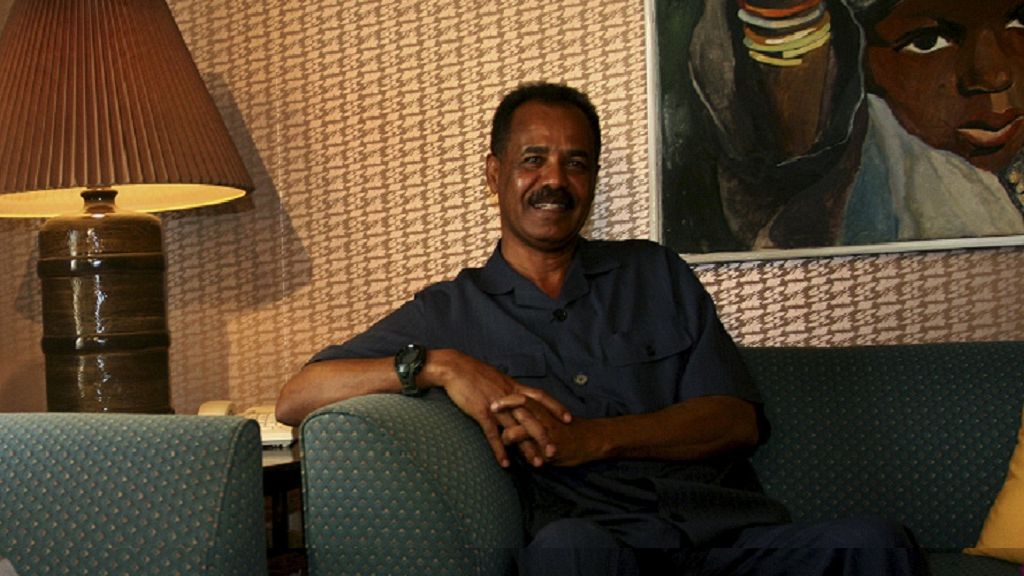
The Geneva Summit for Human Rights and Democracy annually awards prizes for prominent activists for human rights and democracy. This year's award for women's rights was given to the Iraqi Shirin, a freed Yazidi who was made sex slave of the so-called Islamic State, and the Courage Award on Democracy went to Mohamed Nasheed, former president of the Maldives, a small Asian island state with 400,000 population. The democratically-elected but ousted Maldives president was one of the strong voices against the growth of authoritarianism in the world today.

FormerMaldivePresidentWins2017CourageAward 1

Speaking at the Geneva Summit on 21 February 2017, Mr. Nasheed, who spent half of his adult life in prisons, witnessed that repressive regimes "are not torturing you for the information. . . They are torturing you to erase you, to get you to capitulate, to get you to surrender.."

He also added: “I always say and always still believe that it is possible to topple a dictator, but it is not so easy to uproot a dictatorship..It’s tentacles go very deep into the roots of society..."

Reprinted below are excerpts from his moving speech.

On being a political dissident in the Maldives:

“I have spent the good half of my adult life in prison. I lost my youth to chains; to incarcerations; to banishments; to torture; to abuse. I started my adult life as a journalist. . . That was in 1989.”

On being imprisoned and tortured:

“I remember that night [when I was first arrested], 270 of us [journalists] were arrested. I was held in solitary confinement for 18 months. I was beaten. I have been spat on, urinated upon. I was kept in stocks, held in chains and brutalized . . .”

“I was released just before I completed my sentence. But then, again, I was silly, so I wrote again, and they arrested me again. This went on and on. . . Every time they would release me and I would write again. I wrote for all sorts of newspapers. . . But with every news article, even when it was on the environment, I would be arrested.”

On leading the campaign to bring democracy to the Maldives:

“One night, a young boy of 19 was murdered in jail and I was having a cup of tea with a doctor. And the chief of police rang this doctor and wanted a death certificate on the boy. So, of course, I got livid. The doctor agreed that he would not sign the death certificate until the boy was brought to the hospital. That sparked a riot in Male. That set in motion a whole train of events that would finally deliver democracy to the Maldives. .”

“We had our first multiparty elections in 2008 and I was fortunate to have won those elections. I became the president and we started running a government, running a country. . . Although we were able to topple a dictator . . . It is not very easy to uproot a dictatorship. It’s tentacles go very deep into the roots of society. Those favorable to the previous regime fomented a coup and I was deposed.”

“After that, we started again advocating for free and fair elections. . . We had the first election, where I won . . . then, they nullified that result and then they had another round of elections, and then we won again and they nullified it again, as many rounds as it took for them to win. . .”

“I will go back to the Maldives again. I will go back to jail again. . . I have decided never ever  to give up and we will continue this fight.”

On political prisoners in the Maldives:

“We have more than 1,700 dissidents under one form of another of incarceration [in the Maldives].”

At UN Opening Event, Feb. 20, 2017:

  • “We sit here a week before world leaders would gather and deliberate upon the human rights situation in the world. A number of them would be thugs, thieves and murderers. And a number of them also would be apolitical and they would appease these thugs, murderers and thieves, saying that it’s in their strategic interest. They would argue that their cultures, that their religions are different and therefore, they have this right to continue harming us. We are here to see that this doesn’t happen.”
  • “Clever dictators suck you up. They want your entire life to be erased and reformatted according to their world view and according to how they want you to think. They are not torturing you for the information. . . They are torturing you to erase you, to get you to capitulate, to get you to surrender to the state.”
  • “I thought if I got elected as a member of parliament, I might have some safety and security. . . I sought election in the capital city Male and they elected me as their MP, but the government arrested me the next day.”
  • “We were able to galvanize our people to political activism, we were able to amend the constitution, we were able to have our first free and fair elections . . . I returned back to the Maldives, and of course, they arrested me. But the elections were held and I was released and I was fortunate to have won those elections and became the president.”
  • “I always say and always still believe that it is possible to topple a dictator, but it is not so easy to uproot a dictatorship.”
  • “The previous regime came back. They toppled me in a coup, and of course again arrested me. I was able to take part in the 2013 elections and I won, but they nullified the elections. They had it again. Again, I won. And they nullified it again. So, they had as many elections as it took them until I was beaten and then again they arrested me.”
  • “I intend to get back . . . Even if it means going back to jail, I intend to do that. I would call upon everyone here today to work together to subvert the regimes in so many of these countries. Let’s bring down these governments.”
  • “We can build economic, social and political structures to subvert and destabilize these regimes. I am sure we can do it and I am very sure we can win it.”

ማሕበር ኣካለ ጽጉማን ኤርትራ ኣብጀርመን ዓመታዊ ኣኼባኡ ብዕለት 18.02.2017ኣብ ከተማ ፍራንክፎርት ዛዚሙ። ኣኼባ  ኣብዚ ሓጺር እዋን ዝተረኽበ መስዋእቲ ኣባልማሕበር ኣካለ ጽጉማንን፤ ነባራት ተጋደልትን ዝኽሪእዩ ተጀሚሩ።                                                            

ዓመታዊ ኣኼባ ማሕበር ኣብዝሓለፈ ዓመት 2016 ዘካየዶም ንጥፈታትን ተሳትፎ ግዱሳት ዜጋታትን ሓበሬታ ብምቕራብ እዩ፣ ሓው ኣፈወርቂ ኣባይ ዝኸፈቶ። ኣኼበኛ ማሕበር ኣብቲ ዓመት ዝኸደ ንጥፈታትን ኣብ ግምት ብምእታው፤ ኣብሒዝናዮ ዘለና ዓመት 2017 ዝግበር መደባትን ሓዲሽ ናይ ስራሕ ኣገባብ ምትእትታውን ንኽህሉ ሰፊሕ ልዝብ ኣካይዱን ሓንጺጹብፍላይ ከኣ፡ ኩሉ መዳያዊ ምእላይን መነባብሮ ጽጉማን ምምሕያሽን ቅዳምነት ክዋሃቦ ክጽዕር ምዃኑ ርእዩ። ኣብ ርእሲዚ ነተን ወርትግ ዘይስልክያ ግዱሳት ደቂ ኣንስትዮን ኣባላት ማሕበርን፡ ምስ ኣባላት ማሕበብምትሕብባር ዘካየድኦ ዘይሕለል ተወፋይነትን ጻዕርንኣመስጊኑ።ብዘይካዚ ነቶም ብምኽንያት ልደት ኣብ ኤርትራውያን ፓልቲካት ንመደበር ማሕበር ኣካለ ጽጉማን ከሰላ ገንዘብ ዘዋጽኡን ብቀጥታ ክበጽሕ ዝገበሩን ኣሕዋትን ኣሓትን መጎሱ ገሊጹ።

18.02

እዚ ኣብ  ከተማ ፍራንክት ካብ ሰዓት 16.00  ክሳዕ ሰዓት 22.00  ዝተኻየደ ኣኼባ ኣባላት ማሕበር ኣካለ ጽጉማን ኤርትራ ናይ ዝሓለፈ ዓመት ቁጠባዊ ጸብጻብ ብሓው መዓሾ ኣስራት ቀሪቡ።ማሕበር ኣካለ ጽጉማን ኤርትራኣብጀርመን  ነቲ ማሕበር ኣካለ ጽጉማን ኤርትራ ንምቋም ሓውና ተጋዳላይ ተስፋይ ተኽለዝጊን ሰዓብቱን ዝወሰድዎ ተበግሶ፣ ብዪታሪኻውን ዕዉትን ስጉምቲ ምንባሩ ኣሞሱ። ምኽንያቱ ነቶም ኣብ መደበር ኣካለ ጽጉማን ከሰላ ዝነብሩ ናይ ሓርነት ውጉኣት ንምንባይ ኣብ መላእ ዓለም ዝርከቡ ግዱሳት ብማሕበርን ብውልቀን ክሕግዙ ዝያዳ ሓላፍነት ወሲዶም ክጥርነፉን ክነጥፉን መንገዲ ከፊቱ እዩ።   

ሓደ ውድብ ወይ ማሕበር ዝልለየሉ ትካላዊ መልክዕን ትሕዝቶን ኣለዎ። እዚ ትካላዊ ትሕዝቶ በቲ ሓደ ወገን በቶም ንዕማም ናይቲ ውድብ ወይ ማሕበር ዘተግብሩ ኣካላት፡ በቲ ካልእ ወገን ድማ ትካላት ብዝምርሕሉ ሕግታት ይልለ። እቲ ትካላት ስረሓት ብመንን በየናይ ኣገባብን ከም ዝፍጸም ዝእምት ኣብ ልዕሊ ምዃኑ ንናይ ሓባር ወይ ናይ ጋንታ ስረሓትን ምትሕስሳብን ዘተባብዕ እዩ።

ትካላዊ ኣሰራርሓ ኣካላት ናይቲ ትካል እንታይ ክሰርሑ ከም ዝግበኦም አእጃሞም ዝሕብር ክኸውን እንከሎ፡ እንታይ ክግበርን እንታይ ከይግበርን ከም ዝግበኦ እውን ዝውስን እዩ። ትካላዊ ኣሰራርሓ ንናይ ውልቀሰባት ወይ ጉጅለ ከከም ድሌትካ ናይ  ምኻድን ኣብ ውልቀሰባት ምምርኳስን ዘይቅርዑይ ስምዒት ዝግድብ ኣብ ልዕሊ ምዃኑ ዝተፈላለዩ ወገናት በቲ ንኹላቶም ዘኽስብ ማእከላይን ሚዛናውን ኣተሓሳስባ ንክኸዱ ዘኽእል እዩ። ኣብ ሓደ ማእዝን ዝለዓል ጉዳይ ብመንን ናበይ ገጹን ክምዕብል ከም ዝግበኦ ስርዒታዊ ኣቕጣጫ ዘርኢ’ውን እዩ። ኣብ ሓደ ውድብ ወይ ማሕበር ትካላዊ ኣሰራርሓ ክህሉ ብሓፈሻ ርዱእ ኮይኑ፡ ከከም ዕማምን ዓቕምን ናይቲ ኣካል ትካላት ብብዝሒ ኮነ ብኣቀዋውማ ክፈላለዩ ይኽእሉ።  ኣብ ነፍሲ ወከፍ ብርኪ ናይቲ ትካላት ዝዝውተር  መምርሕን ሕግን እውን ከምኡ። እዚ ትካላት ብሃቦ ተረከቦ ዝቐውም ዘይኮነ ብደረጃ ሕጋዊ ጉባአታት ወይ ጉባአ ስልጣን ብዝህቦም ኣካላት ዝቐውም ስለ ዝኾነ  ወልቂ ወይ ጉጅለ ካብቶም ተዋሳእቲ ከም ድላዩ ዝቕይሮም ኣይኮኑን።

ከምቲ ዝተገልጸ ቀንዲ ዓላማ ትካላዊ ኣሰራርሓ ውልቃዊ ስምዒትን ድሌትን ዝግድብ ስለ ዝኾነን፡  ከምቲ ንስኻ ትደልዮ ጥራይ ክኾኑልካ ዘየፍቅድ ብምዃኑ ምስ ትካላዊ ኣሰራርሓ ሓቢርካ ምንባር ክቡር ዋጋ ትዕግስቲ፡ ምእዙዝነትን ሓልዮትን ዘኽፍል እዩ። ነዚ ትካላዊ ምእዙዝነት ክትጸሮ ዘይምኽኣል ሳዕቤኑ ብዙሓት ይኮኑ፡ ብሓፈሻ ካብቲ ስሩዕ መንገዲ ኣውጺኡ ናብ ዘይቅኑዕ ዝወስድ እውን ክኸውን ይኽእል። በቲ ካልእ መንጽር ትካላዊ ኣሰራርሓ ገዳቢ ጥራይ ዘይኮነ ሓሳብካን ርኢቶኻን ከተንጸባርቕ መንገዲ ዝጸርግ እዩ። እተቕርቦ ሓሳብን ርኢቶን ናይ ብሑሓት ኮይኑ ተቐባልነት ምርካቡን ዘይምርካቡን ግና እንተላይ በቶም ምሳኻ ዝዋስኡ ናይ ርኢቶኻ ተቐበልቲ እምበር ብኣኻ  ኣቕራቢ ጥራይ ዝውሰን ኣይኮነን። ካልእ መሰረታዊ ኣገዳስነት ናይ ትካላዊ ኣሰራርሓ ነቲ ናይ ሓባር ዕላማ ዘይሕግዙ ምትእኽኻባት ዘየተባብዕ ምዃኑ እዩ።

ትካላት ውድብ ወይ ሰልፊ ካብ ታሕቲ ንላዕሊ፡ ካብ ላዕሊ ንታሕቲ መደየብን መውረድን መስኖታት ኣለዎም። ነፍሲ ወከፍ ብርኪ ናይቲ ትካል ከኣ ነናቱ ዕማምን ሓላፍነትን ኣለዎ። እዞም ትካላት ኣብ ህዱእን ሰላማውን ኩነታት ጥራይ ዘይኮነ ኣብ ናይ ሓጐጽጐ ግዜ እውን ብዘገልግሉ ኣገባብ እዮም ዝውደቡ። ናይቲ እዚ ትካላት ዝቖመሉ ኣካል ኣባላት ብናይቲ ትካላት ውህብቶ ንክጥቀሙ፡ ቅድም ቀዳድም ናይቲ ትካላት ምእዙዛት ክኾኑ ይግበኦም። ክትምእዘዘሉ ዘይጸናሓካ ትካል ኣብቲ ዘድልየካ ግዜ ጥራይ ከገልግለካን ክዘርየልካን ምምሕጻን ቅቡል ኣይኮነን። ንኣብነት ኣብ መሰረታዊ ትካል ናይ ሰልፍኻ ወይ ውድብካ ብሕጊ ተቐይድካ ክትነጥፍ ዘይጸናሕካ ክንስኻ ኣብቲ ዘድለየካ ጥራይ ክትርዕሞ ምህቃን ብዙሕ ተቐባልነት ዘለዎ ኣይኮነን።

ትካላትን ትካላዊ ኣሰራርሓን ካብ መሰረታዊ ደሞክራስያዊ ኣዕኑድ ፈሊኻ ኣይረኣዩን እዮም። ምኽንያቱ ትካላዊ ኣሰራርሓ እንብል ንስሙ ዘይኮነስ ምስ ዝነፈሰ ብዘይነፍስ ደሞክራሲያዊ መትከላት ክምልክዕን ክጸንዕን እንከሎ ጥራይ እዩ። ንኣብነት ሕጋዊ  ትካላዊ ኣካላት ብደረጃኦም ዝውስንዎ እጃማት ኣለዎም። ዝምርሕሉ ኣገባብ ድማ ምስቲ ብቐንዱ እቲ ዓብይ ትካሎም ዝምረሓሉ ናይ ጉዳያት ኣተሓሕዛ ሕጊ ዝሰማማዕ እዩ። ኩልና ከም እንፈልጦ ውሳነታት ክውሰን እንከሎ “ርኢቶ ውሑዳት ንርኢቶ ብዙሓት ይምእዘዝ” ዝብል ጠማሪ ኣምር ኣሎ። እዚ ነቲ ኣሰራርሓ ትካላዊ ካብ ዝገብርዎ ጉዳያት ሓደ እዩ። እዚ እንተዘይተኸቢሩን ተሓልዩን ግና ከምቲ “ልጓም ሰዲድካ ቶሽቶሽ” ዝብልዎ ኩሉ እዩ ዝፈርስን ዋና ዝስእንን። ካብዚ ሓሊፉ ንትካላዊ ኣሰራርሓ ግቡእ መዓርግ ካብ ዘልብስዎ መሰረታዊ ጉዳያት ደሞክራስያዊ ማእከልነት እዩ። እዚ ማለት ነቲ “ታሕተዎት ኣካላት ኣብ ቅድሚ ላዕለዎት ኣካላት ምእዙዛት ይኾኑ” ዝብል ዘጉልሕ እዩ። እዚ እውን ኣብ ትሕቲ ትካላዊ ኣሰራርሓ ብሓባር ክትምርሽ መሰረታዊ ተደላይነት ዘለዎ እዩ። እዚ ክበሃል እንከሎ ግና ንብዙሓት ኣብ ልዕሊ ውሑዳት፡ ንላዕለዎት ድማ ኣብ ልዕሊ ታሕተዎት ብጉልባብ ሕጊ ተዓሚትካ ብጥሪኡ ትድረዖ ማለት ዘይኮነስ ንኩሉ ወገናት ዕድል ዝህብን ተሓታትነት ብዘነጽርን ዝትግበረሉ መስርሕ ኣለዎ።

እዚ ንትካላዊ ኣሰራርሓ ናይ ብሓቂ ትካላዊ ዘብሎ ኣምራት መዓስ ትጥቀመሉ ኣብ ዝብል ፍልልያት ይንጸባረቕ እዩ። ብወገነይ እዚ ናይቲ መስርሕ ህይወትን ናይ ደም ሱርን ስለ ዝኾነ፡ ወርትግ ከም መምርሒኻ ዝውሰድ እምበር ከድልየካ እትወስዶ እንተዘይ ማእመኣካ ድማ ትገድፎ ኣይኮነን። ገለ ወገናት እዚ ቀላሲ ኣምራት ኣብ ጉዳያት ኣብ እተሰማመዓሉ፡ እምበር ኣብ እትፈላለየሉ ቦታ የብሉን ክብሉ ይፍትኑ እዮም። ግደ ሓቂ ንምዝራብ ግና ብመሰረቱ እዞም ነጥብታት፡ ኮንደኾን ብናይ ሓባር ስምምዕ ዘይዛዘም ጉዳያት የጋጥም  ተባሂሉ ከም መዋጸኦ ዝስረሓሎም እዮም። ምኽንያቱ ኣብቲ ጉዳይ ናይ ሓባር ስምምዕ እንተልዩ እሞ ሕቶ ብዙሓትን ውሑዳትን ወይ ላዕለዎትን ታሕተዎትን ኣይመተላዕለን።

February 20, 2017

By Ross Kemp

I’ve seen the dangerous route to Europe through Libya, with thousands of people at the mercy of cruelty for profit. But our leaders prefer to keep them there
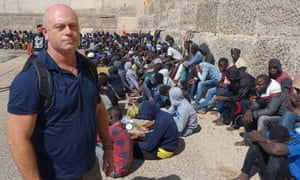
Ross Kemp with migrants back in port
‘We have a heightened responsibility towards Libya because of the role Britain played in bringing down the Gaddafi dictatorship.’ Photograph: Dave Williams/Sound Ltd

It’s a mass grave that we don’t need the United Nations to verify. Every day an average of 14 migrants, the vast majority from countries in sub-Saharan Africa, die crossing the Mediterranean.

Many more see their European dream turn into a nightmare long before they’re corralled on to flimsy rubber dinghies on Libya’s beaches. They’re the victims of a silent massacre in the Sahara desert – a journey more deadly than the crossing from the coast, according to the International Organisation for Migration.

Come the spring, thousands of migrants and refugees fleeing poverty and violence will die in Libya, but I doubt you’ll hear much about it. Compassion fatigue has set in. The numbers have become too big to comprehend. It’s an old story; we feel numbed by the now familiar news images of men huddled together on boats. Maybe it’s because they’re African and have been written off as “undeserving economic migrants”. These are the people some of our political leaders have in mind when they talk of swarms, plagues and marauders. The understandable focus on Syrian refugees has taken the spotlight away from the more dangerous route to Europe through Libya.
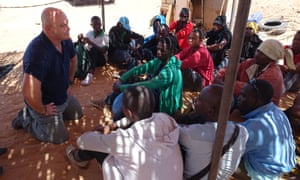
Ross Kemp with migrants waiting to be picked up
‘What I saw there is nothing short of a modern-day slave trade.’ Photograph: Dave Williams/Sound Ltd

Or maybe it’s because, with three rival governments presiding over anarchy in Libya, and the real power lying in the hands of armed militias, getting inside the country to tell the story is just too difficult and dangerous. One thing is becoming clear – many people have come to see this tragic situation as though it were more a problem for us than for the migrants. We have stopped caring about them. As a documentary-maker, I believe it’s our job to make people care. That was the reason my team and I went to Libya – to try to shine a light on the under-reported plight of migrants away from the coastline and to tell the human stories of the men and women making the journey.

What I saw there is nothing short of a modern-day slave trade, with migrants treated as commodities. It’s as though nothing has changed in the 300 years since desert tribes used the very same routes to bring slaves to north Africa: Nigerian women told they are going to Italy to work as housemaids only to be trafficked into desert brothels with no idea when they might leave, young men cruelly beaten and held captive for months until their families pay a ransom, women forced to take contraception to stop themselves becoming pregnant at the hands of smugglers.


What makes their plight even sadder is that most have no idea what sort of country they’re entering. I saw this when I spoke with men and women at the very start of their journey – dazed and battered from the drive across the desert border with Niger but filled with a naive optimism.

Not only are they at the mercy of people smugglers but also the authorities themselves – in the main, armed militias with no one to hold them to account and few other sources of income apart from the migrant trade. In the desert town of Brak, I met a young man who told me he had no choice but to work for a smuggling ring ferrying migrants to a handover point on the back of a pickup.

While Libyans may rely on their own militias for protection, the migrants have nothing and no one to protect them. When they are intercepted by what authorities do exist in the country, they are taken to squalid, overcrowded warehouses – generously referred to as detention centres. In one centre for women in the coastal town of Surman I met Aisha, a young Nigerian. She was bleeding to death after giving birth to her baby girl on the toilet floor. The child died three days later. Since coming home we have tried but been unable to find out what has happened to Aisha. I fear the worst.

Even in the worst refugee camps in the world there is often food, medical facilities and aid workers to offer support. In the Libyan detention centres, migrants are locked up and left to rot. It’s a humanitarian disaster with barely any humanitarian organisations there to help. For tens of thousands of migrants in the country at the moment, they have no means of escape. Libya doesn’t want them, Europe doesn’t want them and even their own countries don’t want them.

We have a heightened responsibility towards Libya because of the role Britain played in bringing down Muammar Gaddafi’s dictatorship with no strategy for what was to come next. In the five and a half years since his death, lawlessness and anarchy have created the perfect conditions for people smuggling to thrive.

Last month, EU leaders under pressure to stop the tide of migrants travelling to Europe signed a deal with Libya. Far from helping people escape, this deal is aimed at keeping them there. It’s only one step away from forcibly returning them. Whatever your view on the migrants’ rights, forcing them back into the conditions we know they will experience in Libya is far from a humane solution. Conditions for migrants in the country need to drastically improve and until there is evidence of this, can we really consider the current deal an acceptable solution to such a horrific situation?

This article was co-authored by producer Jamie Welham. Ross Kemp: Libya’s Migrant Hell airs on Sky 1 on 21 February at 9pm

Source: The Guardian

Source=http://www.theguardian.com/commentisfree/2017/feb/20/migrant-slave-trade-libya-europe

February 19, 2027 (ADDIS ABABA) - Eritrean authorities have reportedly jailed two journalists who had been serving for the state-owned Eritrean Radio and Television Agency, run under tight control by the country’s Ministry of information.

JPEG - 23.8 kb
Eritrea, which borders Sudan and Ethiopia, has been dubbed the North Korea of Africa (HRW)

An exiled Eritrean opposition Radio station, Eritrean Forum Radio, on Sunday said that the two journalists had been taken by five government agents from their home in Asmera on February 14.

Citing to eyewitnesses, the Tigrigna language radio broadcast identified the journalists as Abraham Yitbarek and Senait Ekubay.

The two journalists were arrested on suspicion of attempting to flee the home country, the report said.

The Eritrean government considers fleeing citizens as traitors, and if caught they will be thrown in jail for life or could be punished by death if they are suspected of having links with exiled Eritrean opposition groups or with the arch-foe Ethiopia.

A report by the United Nations High Commissioner for Refugees (UNHCR), released in 2014, estimates that about 4,000 Eritreans flee the country each month to escape indefinite military conscription, arbitrary arrests and other forms of human right violations.

The Red Sea nation has a long-standing shoot-to-kill policy against citizens who try to flee one of the world’s repressive country dubbed by international human right groups as Africa’s North Korea.

According to US-based press freedom group Committee to Protect Journalists (CPJ) report for 2016 Eritrean authorities detain 17 journalists who have remained in jail since 2001 following 1998-2000 border war with Ethiopia.

In a recent report, the Committee to Protect Journalists (CPJ), said 23 journalists were imprisoned in Eritrea as of December 1, 2014, one of the largest numbers in the world and the most in Africa. Nine have been in prison since 2001, and almost all are being held incommunicado.

(ST)

 Source=http://sudantribune.com/spip.php?article61694

Saturday, 18 February 2017 12:30

Radio Demtsi Harnnet Kassel 16.02.2017

Written by
 
BY
JANUARY 26, 2017 18:02
‘If the government forces me to go back to Eritrea, I will die there,’ says one man.
 
 
African refugees demonstration in front of Jerusalem Supreme Court
 

African refugees demonstration in front of Jerusalem Supreme Court. (photo credit:MARC ISRAEL SELLEM/THE JERUSALEM POST)

Over 1,000 refugees, primarily from Eritrea, traveled to Jerusalem on Thursday from the Holot detention facility in the Negev to plead to the High Court of Justice for political asylum amid threats of deportation.

Wearing laminated Israeli Prison Services identification cards around their necks like scarlet letters, the men gathered in the Rose Garden, across from the Knesset, to protest a pending appeal that could result in their deportations to Sudan, Eritrea, Rwanda, or Uganda.

Be the first to know -Join our Facebook page.
 

According to the protest’s organizers, March for Freedom, asylum seekers who have been deported to third-party counties, such as Rwanda, have been systematically sent to Uganda, where they have no legal status, and are at risk of being repatriated back to Eritrea.

“The persecution they face forces our sisters and brothers to continue their search for refuge… where they are trafficked by gangs of smugglers, fall into the hands of ISIS, murderous gangs, and die in the deserts of Sahara and Libya, or at sea,” March for Freedom said in a statement.

“You, the justices of the High Court, are the only ones who have the authority to save Israel from committing the injustice of deporting vulnerable asylum seekers in violation of all international agreements. Our fate is completely in your hands, and we beseech you to carefully consider all of the implications of your decisions, and to make them with the utmost care.”

Tekle Negash, a 21-year-old Eritrean refugee who came alone to Israel in 2012, said he has been incarcerated in Holot for the past three months, where he described the conditions as “horrid.”

Negash, who formerly lived in Tel Aviv, Petah Tikva and Hadera, and supported himself by working menial jobs, said he was sent to Holot after not being able to procure another temporary visa, which refugees must renew every two months.

“When my visa expired, [the government] told me that I had to go to Holot, and that after one year there, if I can’t get another visa, I will be deported,” he said, noting that he is confined to a small cell from 8 p.m. to 8 a.m. with 10 other Eritreans.

“It’s very crowded, and there is only one shower and one toilet for us,” he said. “The food there is very bad, and in the summer it’s very hot, and in the winter it’s very cold. We can leave for 12 hours, but we are not allowed to work.”

Negash added: “I applied for asylum, but I don’t have any hope because most asylum seekers are rejected. So, they told me I will have to go to Rwanda, Uganda, or Eritrea.”

Angesom Zerezghi, 26, also fled Eritrea, coming to Israel seeking political asylum seven years ago. He survived working odd jobs in Tel Aviv, until he was sent to Holot five months ago.

Instead of being deported to Africa, he said he hopes to find refuge in Europe, where he will be safer.

“After seven more months in Holot, I don’t know what will happen to me,” he said. “But if the government forces me to go back to Eritrea, I will die there.”

Amanuel Tsegazab, 26, was sent to Holot three months ago, after living in Eilat, where he worked as a dishwasher at a hotel for seven years.

“When I get out, if I can’t renew my visa, I will be deported, and I can’t go back,” he said, adding that it is difficult to obtain the necessary renewals.

“When you go to the visa place, you wait on line all day, and usually can’t get in and have to come back,” Tsegazab explained.

Jeremay Kehase, 33, has been in Holot for nearly one year, and said he fears for his future.

“I have to leave next month, and I am worried because the government has not accepted my asylum request,” he said.

“I can’t survive in my country.”

Source=http://www.jpost.com/Israel-News/African-refugees-protest-deportations-ask-for-asylum-479710

FEB 17, 2017 - 11:03
Refugees from Eritrea and Tibet arriving in Ticino in 2015

Refugees from Eritrea and Tibet arriving in Ticino in 2015

( Ti-Press/Keystone)

One of the United Nations’ top human rights experts says Switzerland had no good reason to crack down on Eritreans.

François Crépeau, a Canadian lawyer who serves as the UN’s special rapporteur on the human rights of migrants, lashed out at Switzerland’s recent decision to tighten its asylum policy towards Eritreans in an interview with two Swiss newspapers on Friday.

On February 2, the Federal Administrative Court said Switzerland wouldno longer recognise Eritreans as refugeessolely on grounds of having fled their country illegally. Until last summer, leaving Eritrea illegally was considered a legitimate reason for asylum, since whoever did so faced up to five years in prison in Eritrea.

However, the court decided “the illegal exit [from Eritrea] cannot in itself justify recognition as a refugee”, pointing to recent cases of Eritreans returning safely for short home visits after gaining asylum status in Switzerland.

Crépeau, whose job involves investigating human rights violations and promoting sound policies globally, said inan interviewwith the Tages-Anzeiger and Berner Zeitung there was no evidence that someone returning to Eritrea would not face punishment.

“Switzerland must be certain, in every single case, that a return for an individual will not be problematic. This requires a mechanism that can check that after returning nothing indeed happens,” he said.

Crépeau said Switzerland was “pretty much on its own” on this issue and warned against tightening policy based on doubts. Instead, he concluded, the rule should be: if in doubt, err on the side of protection.

The Swiss government’s policy for processing asylum requests from Eritrean refugees is important because Eritreans make up the largest single nationality among asylum seekers in Switzerland: some 5,000 a year. 

swissinfo.ch and agencies/ts

Source=http://www.swissinfo.ch/eng/refugees_un-criticises-tightened-swiss-policy-on-eritreans/42968420