ኩሉ ነገር ፈላሊኻ ብዘይረኣዩ ተወዳደርትን ተጸላለውትን ተርኽቦታት ዝቖመ እዩ። ነዚ ብኣብነት ንምስናይ ነዊሕn ሓጺርን፡ ቀረባን ርሑቕን፡ ብርሃንን ጸልማትን፡ … ወዘተ እንዳበልና ክሳብ መሰልን ግቡእን  ከምኡ እውን ደሞክራስን ጥርናፈን ምውድዳር ይከኣል። እዞም ክልተ ሓደ ካብቲ ሓደ ፈሊኻ ዘይረኣዩ ጉዳያት ኣብ መንጎኦም ዘሎ ዝምድና እቲ ሓደ ካብቲ ሓደ ደረት ዘይሓልፈሉ ዝተመጠነን ብሕጊ ዝግዛእን እዩ። እዚ ተመጣጣንነት መስመሩ ስሒቱ ሚዛኑ ተዘይሓልዩ ኩነታት ቅሱን ኣይከውንን እዩ።

ናይ ሰባት ድሌትን ሃንቀውታን ብኸምዚ ኣቐዲሙ ዝተጠቕሰ ሕግታት ተዘይተገዚኡ መወዳእታ ደረት የብሉን። ኣብ መወዳእትኡ ከኣ በቲ ትደልዮ ዘይኮነስ በቲ ዘድልየካ እዩ ዝዕገት። ከምቲ ኣብ ብዙሕ ኣጋጣሚታት ምስ ካለኦት ወገናት፡ መራሕትኻ ይኹኑ መራሒኦም ዝተፈላለዩ ድሌታት ኣሳኒኻ ኣብ ናይ ሓባር ዕማም ክትስጉምን ከተድምዕን ብናይ እንካን ሃባን መትከል ምእማን፡ ምትግባርን ምቕያድን ናይ ግድን እዩ። ናይ እንካን ሃባን፡ ሚዛን ስሒትካ፡ ግድን ንሓዲኦም ካብቶም ርኢቶታት ኣብ በሪኽ ቦታ ተዘየቐምጥኩዎን ጉዳያት በቲ ኣነ ዝደልዮን ዝኣምነሉን ሓሳብ ጥራይ ተዘይከደ ማባል ግና ሰላም ኣይህብን እዩ። ብሓባር ከኣ ኣየጓዕዝን። ምኽንያቱ እቲ ኣብቲ ዛዕባ ከማኻ ማዕረ ግደ ዘለዎ ኣካል እውን ከማኻ ጉዳያት በቲ ናቱ ሓሳብ ክኸደሉ ክጠልብ ስለ ዝኽእል። ስለዚ እቲ እደልዮ ጥራይ ዘይኮነ እቲ ካልእ ዝደልዮ እውን ምስትብሃል ናይ ግድን ዩይ።

ሓደ ሰብ በብደረጃኡ፡ ቅድም ሰብ ብምዃኑ፡ ደሓር ከኣ ናይ ፖለቲካዊ፡ ማሕበራዊ ወይ ቁጠባዊ ትካል ኣባል ብምዃኑ ዝውንኖ መሰል ኣለዎ። እቲ መሰል ነገራዊ ረብሓ ብምርካብ ጥራይ ዘይኮነ ዝያዳ እኳደኣ ቅኑዕ እዩ ዝበልካዮ ሓሳብ ብምግላጽ ዝረጋገጽ እዩ። እዚ ከምዚ ዓይነት መሰል እቲ ዝግዘኣሉ ሕግን ስርዓትን ሓልዩ ንኹሎም ኣብቲ ትካል ዘለዉ ኣካላት ማዕረ ዝብጸሖም እዩ። እዞም መሰላት እዚኦቶም ብጥራዩ ዝወሃቡ ዘይኮነስ ዋጋ ዘኽፍሉ እዮም። እቲ ዝኽፈል ዋጋ እቲ ግቡእ ዝበልናዮ እዩ። ስለዚ ናይ መሰልካ ተጠቃሚ ክትከውን ግቡእካ ክትፍጽም ናይ ግድን እዩ። ግቡእካ ከይፈጸምካ መሰል ምጽባይ፡ ከም ንዕኡ ዝምጥን ዋጋ ከይከፈልካ ክቡር ንብረት ምምናይ እዩ ዝቑጸር። ኣብ ባህልና እውን “እንካ ንዘይፈልጥሲ ሃባ መን መሃሮ” ይበሃል እዩ።

“ብመሰለይ ክጥቀም እየ” ምባል ቅኑዕ ኮይኑ ዝተራእየኒ ሓሳብ ናይ ምቕራብ መሰል ኣለኒ ክበሃል እንከሎ ግና፡ ቅድሚ ኩሉ ክዝንጋዕ ዘየብሉ መሰልካ ብምጥቃም ናይ ካለኦት መሰል ከይትጉዕጽጽን፡ ክብሮም ከይትትንክፍን ምጥንቃቕ ናይ ግድን እዩ። መሰል ኮነ ግቡእ ብሕግን ስርዓትን ዝቃነዩ እምበር ደረት ኣልቦ ኣይኮኑን። እዚ  ክንብል እንከለና፡ እቲ ከይጠሓስ ክሕለው ዝግበኦ ደረት መሰልካ ክትሕሉ ክትብል መሰል ካለኦት ከይትግህስ ዝግድብ እዩ። እዚ እንተ ተጣሒሱ ውጽኢቱ ጥዑይ ዝምድና ዝፈጥር ኣይኮነን። ኮታ ከምቲ ኣብ ደሞክራስን ጥርናፈን ዘሎ ሚዛናዊ ዝምድና እንተዝይተሓልዩ፡ ናብ ምልኪ ወይ ስርዓት ኣልቦነት ሒዙካ ዝዕዘር፡ መሰልን ግቡእን እውን ሚዛኑ ከይዛነፍ ግቡእ ሓለዋ ዘድልዮ እዩ።

ሓደ ኣካል ብመሰሉ ተጠቒሙ ሓሳባትን ጠለባትን ከቕርብ እንከሎ፡ ወይ ድማ ግቡኣቱ ክፍጽም ክሐተት እንከሎ ብዙሓት ኣብ ግምት ክኣትዉ ዝግበኦም ጉዳያት ኣለዉ። ኣብዚ ብሓፈሻ ከባቢኻ ምምዕዳው ኣድላይ ኮይኑ፡ ብፍላይ ድማ ናይቲ ትዋሰኣሉ ትካል፡ ውሽጣዊ ዓቕምን ናይ ኣሰራርሓ ባህልን ኣብ ግምት ምእታው ናይ ግድን እዩ። ሓደ ኣካል ብመሰሉ ተጠቒሙ “ከምዚ ተዘይተገብረ” ክብል እንከሎ ከምኡ ከግብር ዝኽእል ኩነታት ምህላዉን ዘይምህላዉን ከስተውዕል ይግበኦ። ሕግታትን ኣሰራርሓን ናይቲ ትካልከ ከምኡ ንምግባር የኽእሉ ድዮም ኣየኽእሉን ናይ ምግንዛብ ሓላፍነት’ውን ኣለዎ። ብኣንጻሩ እቲ ትካል ካብ ሓደ ኣባሉ ግቡእ ክጽበ እንከሎ፡ ናይቲ ግቡኡ ክፍጽም ዝጥለብ ኣካል ኩሉመዳያዊ ኩነታት ናይ ምምዛንን ምርዳእን ሓላፍነት ኣለዎ። ስለዚ ጉዕዞና ኣድማዕን ውጽኢታውን ንክኸውን ንዝምድና መሰልን ግቡእን፡ ብንቕሓት ምርዳእ መሰረታዊ እዩ።

ኣሮን ናኦድ

Wednesday, 23 November 2016 23:49

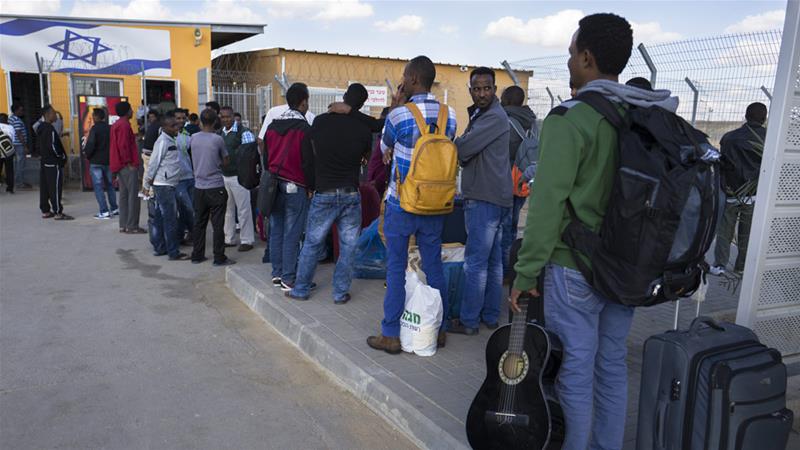
Eritrean refugees in Israel sent to Uganda and Rwanda

Written by


Do refugees have a choice in Israel's continued policy of transferring African arrivals to third countries?


Holot detention facility in the Negev Desert, in Israel housing some 2,500 asylum seekers mainly from Eritrea and Sudan [Jim Hollander/EPA]


Kampala, Uganda-The sky was still an inky black when the flight from Cairo touched down at Entebbe Airport near Kampala, the capital of Uganda, one morning in mid-January, the fluorescent glow spilling from the small terminal providing the only source of light.

It had been 15 hours since Musgun Gebar left Tel Aviv, and the journey staggered him in its brevity. Four years earlier, when he had travelled the other way - from Eritrea in East Africa to Israel - he had done so on foot, a punishing journey across the Sahara and the Sinai that took more than a month.

Kidnappers stalked the route, food was scarce, and half of the people with whom he had travelled didn't survive. But this time, he simply sat down in a small cushioned seat and waited, snapping selfies and eating salty meals from aluminum tins until, suddenly, he had arrived.  

Gebar had no visa to enter Uganda. He wasn't carrying an invitation letter or an application form. In fact, he didn't even have a passport. Though he had crossed many borders in his life, he had never done it through the official channel of queues and customs officials and dated stamps.

He only carried $3,500 in clean, hundred dollar bills in his wallet, a temporary travel document called a "laissez passer", and a creased letter from the Israeli government. "Passengers are asked to follow instructions and regulations to ensure a safe and pleasant departure from Israel," it read, with a signature from the Voluntary Departures Unit.

From friends who had come before him, Gebar already knew what would happen next. The man emerged as he stepped inside the terminal, wordlessly ushering him and the nine other Eritreans on the flight away from the passport control line.

Without a glance from the border patrol officers, he led them around the queue, to the baggage claim where their luggage awaited, and then out of the airport's sliding-glass doors. In the car park, a van waited to drive them to a hotel.

After that, they were on their own. 

No choice

Human rights organisations havereportedthat over the past three years this scene has played out hundreds of times in Uganda and neighbouring Rwanda, where more than 3,000 Sudanese and Eritrean asylum seekers fromIsrael have been "voluntarily" resettled as of 2015.

Often, those who were resettled dispute whether they truly had a choice.

Gebar, for instance, says that he was being held in an immigration detention camp in the Negev Desert called Holot, when, he claims, officials there informed him that he had threeoptions. If he liked, he could stay indefinitely in the camp. A second option was to go back to Eritrea, the country he had fled five years before. Or, he could agree to take $3,500 and depart for a third country of the Israeli government's choosing.

Gebar didn't hesitate. He took the third option.

Andie Lambe, executive director of the International Refugee Rights Initiative (IRRI), an NGO that has conducted extensive research into the departure of East African refugees from Israel, also questions just how much choice these refugees have.

"What does it mean when an unknown third country is someone's best option?" he asks. "To me that says they never really had a choice at all."

Mediareportssuggest that the three countries have cut a secret, high-level deal in which the African states accept refugees in return for arms, military training and other aid from Israel. 

The countries involved have given conflicting responses, however, on their involvement.

Sabine Haddad, Israeli population and immigration authority spokeswoman, told Al Jazeera that Israel does have an agreement with two African countries - which she did not name - for the relocation of unwanted asylum seekers. She did not offer a response regarding the weapons exchange part of the agreement. 

OPINION: Uganda: Doing Israel's dirty work

BothUgandaandRwanda, on the other hand, deny they have signed any agreement with Israel. Furthermore, neither country has affordedrefugee status to any refugees arriving from Israel. 

Ugandan government spokesman Ofwono Opondo told Al Jazeera earlier this year that the reports of a deal were "a rumour circulated by Israeli intelligence".

"I have disputed that we have received these individuals," he said.

No rights

Like others around the world, refugees leaving Israel for Rwanda and Uganda find themselves in a precarious position. Their lives straddle two countries, and movement either forwards or backward is nearly impossible.

READ MORE: Desperate Journeys

Tedros Abrahe, an Eritrean midwife who also left Israel under the "voluntary departures" programme earlier this year, says he is "justwaiting to be a legal refugee somewhere".

Like most of the estimated 5,000Eritreans who flee their country each month,Abrahe first left home in 2011 to escape the country's mandatory and indefinite national service programme. After a brief stay in Sudan, he paid smugglers $3,000 to take him to Israel, where he figured opportunities would be better and life easier.

But when he arrived, he found that his Eritrean midwifery qualifications were not recognised in Israel, and that the only work available to him as an asylum seeker was an under-the-table job cleaning the kitchen of a Tel Aviv shawarma restaurant.

Israel did not consider him a refugee. Rather, like nearly all of the approximately42,000Eritrean and Sudanese refugees in Israel, he was labelled an "infiltrator" - alabelpreviously used to categorise Palestinians entering Israel. The only status Abrahe was allowed was a permit granting him temporary reprieve from being deported, which, he says, he had to renew in person every 60 days.

This system,says Anat Ovadia-Rosner, a spokeswoman for Israeli NGO Hotline for Refugees and Migrants,"puts people in a perpetual limbo, without the right to healthcare, to welfare services, to anything that might help them build a permanent life here".

She thinks that "the whole structure is meant to make people's lives miserable, so eventually, perhaps, they won't want to stay any more".

Between 2009 and 2016, Israelgrantedofficial refugee status to 0.07 percent of all its Sudanese and Eritrean asylum seekers - a total of four people.

When, in late 2015, Abrahe went to refresh his Israeli permit, he was informed that it would not be renewed. Instead, he says, he was told that he had 30 days to either report to an immigration detention centre or leave the country for Eritrea or a location of the government's choosing.

Believing that he would not be safe in Eritrea, Abrahe chose the latter option.

By the time he boarded a flight for East Africa in January 2016, thousands of Eritrean and Sudanese refugees had already followed the same path.

According to Interior Minister Gilad Erdan, the voluntary resettlement plan had "encourage[d] infiltrators to leave the borders of the state of Israel honourably and safely".

But just how safe is it really?

According to research by Hotline and IRRI in Rwanda, most of the refugees who arrive in Rwanda are immediately smuggled over the border to Uganda.

Abrahe says that he spent just two days in the country - waiting in a house near Kigali under an armed guard - before being forcibly taken to Kampala.

Those arriving in Uganda are not afforded any further rights. Uganda's Department of Refugees says there is no deal to accept refugees coming from Israel. Douglas Asiimwe, the department's principal protection officer, told Al Jazeera that any refugees arriving from Israel were assessed on the individual merits of their cases.

They shouldn't need Uganda's protection, he explained, because they weren't coming from a war zone, but from a "safe" country that had promised under international law to uphold the rights of refugees.

Haddad, the Israeli population and immigration spokeswoman, insists that Israel "ensures that the process of relocation is conducted according to the agreements and in line with international law".

In her statement to Al Jazeera, she wrote: "Israel makes certain that the refugees are accorded all relevant rights in accordance with the agreements, including receiving the appropriate permits and papers."

But NGOs and human rights lawyers who have reviewed the refugees' cases in both Israel and Uganda say that Israel's official line on the subject is nottrue. 

In late 2015, a coalition of NGOs and human rights lawyers challenged the legality of Israel's third-country deportations before the Israeli Supreme Court. But a decision is still pending and Israel's "voluntary departures" continue.

READ MORE: Eritreans escape to torturous Sinai

No jobs

Even without legal status, life in Kampala was initially a marked improvement over Israel for both Gebar and Abrahe.

Ugandans were more welcoming than Israelis, they said, and the two melted easily into the city's large Eritrean population.

Abrahe had spent some of the money the Israeli government gave him on an iPhone, which he used to send smiling selfies to family and friends in Eritrea, Israel, and Europe.  

But the $3,500 wouldn't last forever, and there were few jobs to be had in Uganda, even for someone with medical training like Abrahe. By September, both men had run out of money and were living on handouts from friends and family.

"Time just passes itself," Gebar said. "You just sit home all day waiting, doing nothing."

In late October, however, Abrahe decided that he couldn't wait any longer. He borrowed a passport from a Ugandan friend and flew to Turkey. From there, he made the dangerous journey by boat to Greece, where he is now living in a refugee camp.

"It's better to take a risk than to live this way for my whole life," he says. "This year, I want to be a legal person somewhere."

Ryan Lenora Brown was a fellow of the International Women's Media Foundation in Uganda.

Source: Al Jazeera

Source:http://www.aljazeera.com/indepth/features/2016/10/eritrean-refugees-israel-uganda-rwanda-161024130201856.html

ገዲምን ዘይሕለልን ተጋዳላይ ኣሕመድ እስማዒል ኣሕመዲን (ኣሕመድ ሶይራ) ብቐዳም 19 ሕዳር 2016 ኣብ ካርቱም ብዝነበሮ ሕዱር ሕማም ምስዋኡ ምስማዕና ከቢድ ስንባደን ሓዘንን ኢዩ ፈጢሩልና።

ስውእ ሓርበኛ ኣሕመድ ሶይራ ካብ ሓምሳታት ናይ ዝሓለፈ ክፍለዘመን ኣትሒዙ፡ ምእንቲ ሃገራዊ ናጽነት እተቓለሰ ገዲም ተጋዳላይ ኢዩ። ኣብ’ቲ ብ1958 እተመስረተ ምንቅስቓስ ሓርነት ኤርትራ (ማሕበር ሸውዓተ) ተባሂሉ ዝፍለጥ ውድብ ብምስላፍ ኢዩ ንቓልሱ ፈሊምዎ። ብድሕሪኡ ድማ፡ ኣባል ተጋድሎ ሓርነት ኤርትራ ኰይኑ፡ ንነዊሕ ዓመታት ኣብ ጠቕላላ ማሕበር ሰራሕተኛታት ኤርትራ ኣገልጊሉ። ድሕሪ ናጽነት ኤርትራ ድማ፡ ኣባል ኤርትራዊ ተበግሶ (ኣልሙባደራ) ኰይኑ ተቓሊሱ።

ተጋዳላይ ኣሕመድ ሶይራ፡ ናይ ውድብ ወሰናስን ዘይሓጽሮ፡ ምስ ዝሰማምዕዎን ዝፈላለይዎን ሰባት፡ ክመያየጥ ዘይደክም፡ ዓቃል፡ ተጻዋራይ፡ ብሱል ተቓላሳይ ኢዩ ነይሩ። ዝምድናኡ ምስ ኤርትራውያን ጥራሕ ዘይኰነስ፡ ምስ ሱዳናውያን እውን ኣዝዩ ሰፊሕን ዓሚቝን ኢዩ ነይሩ። ብፍላይ ድማ፡ ኣባላት ኮሚኒስት ፓርቲ ሱዳን ብዙሕ ዘኽብርዎ ተጋዳላይ ኢዩ ነይሩ።

እቲ ቀንዲ መለለዪኡ ዝዀነ ጠባይ ግን ንዝኣምነሉ ዕላማን መትከላትን ኣሕሊፉ ዘይህብ፡ መሬት ዝጸበበት ትጽበብ ካብ መርገጻቱ ሰንደልደል ዘይብል ቅኑዕ ተቓላሳይ ኢዩ ነይሩ። ስለ’ዚ ኢዩ እውን ነዚ ኵሉ ጽንኩር መድረኻት መዓንጣኡ ሸጥ ኣቢሉ ክሳብ እዛ ካብ ዓለም እተፈልየላ ዕለት ብጽንዓት ተቓሊሱ። ፍቕሪ ሃገርን ህዝብን እምበር ካልእ ዘሸንፎ ነገር ኣይተረኽበን።

በዚ ኣጋጣሚ’ዚ፡ ሰልፊ ዲሞክራሲ ህዝቢ ኤርትራ፡ ንስውእ ኣሕመድ ሶይራ፡ መንግስተ-ሰማይ የዋርሶ፤ ንቤተሰቡን ንህዝቢ ኤርትራን ድማ ጽንዓት ይሃብኩም እናበለ ናይ  መሪር ሓዘኖም ተኻፋላይ ምዃኑ ይገልጽ።

መንግስተኣብ ኣስመሮም
ኣቦ መንበር ሰዲህኤ
23 ሕዳር 2016

EPDP's Frankfurt Branch Holds End-of-Year Meeting

The tireless Frankfurt Branch of the Eritrean People's Democratic Party (EPDP), which is one of the most regular and active party branches in organizing meetings on schedule, held its last 2016 encounter on 20 November and decided to resume  New Year meetings as of 15 January 2017.

Opened by branch chairman, Tadesse Asmelash, who saluted and praised the historic contributions to the struggle by the recently fallen party comrade, Osman Ahmed in Kassala, the meeting raised discussed the significance of a number of major events of the year just ending.

The branch meeting reviewed the worsening hardships faced by the Eritrean people inside the homeland and the regime's recent intensification of its wrong doings that only prevent farmers from collecting harvest in peace and traders from succeeding in their efforts. The intensified wrong measures did result in forcing citizens to leave the country in big numbers.

ATT 1479694080127 20161120 160119

Also discussed was the repressive regime's lie to members of the Eritrean Defence Forces who were promised to receive higher payments but finally saw those 'increases' taken back under different excuses.

The Frankfurt branch also hailed the massive demonstrations organized in Geneva, New York and many other places exposing the political and human rights violations of the cruel Eritrean dictatorship. It commended the reports of  the UN Human Rights Council and its inquiry commission on Eritrea and hoped the regime will face accountability for its crimes one day. The meeting also took time to review and commend the international efforts of the party to further expose the regime by taking part at global conferences like the one held in Brussels on 17-18 October 2016.  

At ending its meeting, the branch heard a strong appeal to Eritrean youths by young Kubrom Andom who reminded his age-group to redouble their struggle taking the opportunities provided by democratic countries where they have taken temporary refuge from the dictatorship in Eritrea. 

EPDP Information Office

ጨንፈር ሰዲህኤ  ፍራንክፎርትን ከባቢኡን  ብዕለት 20.11.2016 ስሩዕ ወርሓዊ ኣኼባኡ ኣካይዱ። ኣኼባ  ብመስዋእቲ  ብጻይ ተጋዳላይ ዑስማን ኣሕመድ ዝተሰምዖ መሪር ሓዘን ብምግላጽ ንኩሎም ቤተሰቡ ጽንዓት እናተመነየ ንእእኡ ድማ መንግስተ-ሰማይ የዋርሶ፡ ንሕና‘ውን ኣብነት ነቲ ጽኑዕን ዘይሕለልን ቃልስታቱ ብምኽታል ተቢዕና ብጽንዓት ክንቃለስ ኢና ብምባል እዩ ኣቦ መንበር ሽማግለ ጨንፈር ሓው ታደሰ ኣስመላሽ ተጀሚሩ።

ኣኼበኛታት ኣብዚ ዓመተ 2016፡ ኩነታት ሃገርናን ናብራ ህዝብናን ኣብ ኣዝዩ ዝኸፍኤ ኣተሃላልዋ ከምዘሎ እዩ ርእዩ። ብፍላይ ኣብዚ መወዳእታ ናይዚ ዓመትዚ፡ ጸገማት ሓረስቶት እናጸንከረ ዝኸደሉን፤ ኣብ ግዜ ዓጺድ መንእሰያትን ሽማግለታትን ተተገፊፎም ብረት ክዓጥቁ ዝግደዱሉ፤ ኣብ ግዜ እኽሊ ዝኣትወሉ ድማ ንምህርትኻ ሓፊስካ ኣብ ቆፎኻ ኣብ ክንዲ ተእትዎ፡  መንግስቲ ተቖጻጸርቲ ኮሚተታት ልኢኹ ኣብ ዓውድኻ መጺኦም እትበልዖን ንመንግስቲ እትሸጦን ዝውስኑሉን፤ ደቅኹም ሃዲሞም ብዝብል ምስምስ ክትዓጽድ ዝኽልከለሉን፡ ኩነታት ከም ዘሎን ኣኼበኛ ርእዩ።

ሰራዊት ኤርትራ‘ውን፡ እቲ መተዓሻሸዊ ተባሂሉ ናይ ደሞዝ ወሰኽ ዝተገብረ ተመሊሱ ተቖራሚሙ: ደሞዞም ናብ መንግስቲ ዝምለሰሉን፡ ነዚ ዝተቓወሙ ድማ ዝእሰሩሉን ዝሕየሩሉን፡ ካብዚ ብምንቃል ሰራዊትተኣኪቡ ዝሃድመሉ ኩነታት በጺሑ ምህላዉ ተገንዙቡ።ተሪር ቊጽጽር ኣብ ልዕሊ ነጋዶን፡ ሓረስቶትን፡ ሰራዊትን ድማ  ነቲ እንጽርጽሮታዊ  ናይ ስደት ጉዕዞ ዝያዳ ከምየጋደዶን፡ ኣብ ጉዕዞ ስደት‘ውን ብዙሕ ህልቂት ዝራኣየሉን ግዜ ተበጺሑ ምህላዉ  ኣኼባ  ብኣንክሮ  ርእዩ።

ይኹን እምበር ደለይቲ ለውጢ  ኣብ ዝሓሸ ምንቅስቓስ ከም ዘለዉን፡ እቲ ኣብ ኒው ዮርክ ይኹን ካልእ ቦታታት ዝተራእየ ሰላማዊ ሰልፍታትን፡ ኣብ ዝተፈላለየ ቦታታት ዝርአ ዘሎ ምጥርናፋትን‘ውን ኣወንታዊ  ኮይኑ ዝይዳ ክሕይል ከምዝግባእ ኣኼባ ኣመልኪቱ።

ካብቶም ብሰልፊ ዝተገብሩ ናይ ወጻኢ ንጥፈታት ኣብነት ብምጥቃስ ድማ፡ ናብ መበል 71 ጠቕላላ ኣኼባ ሕቡራት መንግስታት ዝቐረበ፡ ብዛዕባ ኣብ ኤርትራ ዘሎ ምግሃስ ፖለቲካውን ሰብኣውን መሰላት ዝገልጽ መዘክርን፤ ከምኡ‘ውን ልኡኽ ሰልፍና ኣብቲ ካብ 17-18.10.2016 ኣብ ብሩሰልስ ዝተኻየደ ኮንፈረንስ ምሕዝነት ገስገስቲ ሓይልታት ተሳቲፉ፡ ብዛዕባ እቲ ኣብ ኤርትራ  ዘሎ  ኣስጋኢ  ኩነታት ዘቕረቦ፡ መብርሂታትን ብምጥቃስ ኣኼባ ኣሞጒሱ።

ኣብ መወዳእታ: ኣባል ሽማግለ መንእሰይ ክብሮም ዓንዶም፡ ንመንእሰያት ናበይ ንኸይድ ኣሎና ዝብል ኣርእስቲ ኣልዒሉ፡ እቲ ሓይሊ ኣብ መንእሰያት እዩ ዘሎ፡ ንሕና እቲ ኩሉ ሽግራት ዘሕለፍናዮ ረሲዕና ኣንፈትና ኣይንስሓት፡ እቲ ኣብ ውሽጢ ሃገር ዘሎ መንእሰይ ከምዚ ንሕና ረኺብናዮ ዘሎና ናይ ምዝራብን ምውድዳብን ዕድል ኣይረኸበን፡ ንሕና ግና እዚ ዕድልዚ ከየምልጠና ተጠራኒፍና ቃልስና ነበርትዕ ዝብል ኣተባባዕን መሃርን መግለጺ ሂ::

 እዚ ኣኼባ‘ዚ ናይ ዓመተ 2016 ደምዳሚ ኣኼባ ብምንባሩ ድማ: ናይ 2017 ስሩዕ ኣኼባ ጨንፈር ንዕለት 15.01.2017 ክግበር መደብ ብምስራዕ ኣኼባ ተደምዲሙ:: 

ሽማግለ ጨንፈር

martinplaut

Journalist specialising in the Horn of Africa and Southern Africa

Menu

It is one of the tragedies of the plight of Eritrean refugees that even when they have escaped from the repression that has engulfed their own country they are not free.

A network of spies and informers has been carefully nurtured by the Eritrean regime to spy on their own citizens abroad.

The Eritrean diaspora is under constant surveillance – and they know it.

Go to almost any Eritrean opposition gathering and you will see them: young men and women who gather information and intelligence on anyone who steps out of line.

A meeting I held with the renowned Eritrean scholar, Dan Connell, was subjected to harrassment and was filmed by government supporters.

The image above is an example of their work.

Sometimes they go further.

Meetings are broken up and anyone who speaks out against the repression of President Isaias Afwerki is heckled and shouted down.

The youth wing of the ruling party – the YPFDJ – are among the most actively involved in these attempts at intimidation.

I have experienced this myself at first hand on several occasions, but Eritreans are treated much more harshly.

Openly violent

Eri Blood

In a previous article I have dealt with the violence that is sometimes meted out against anyone who attempts to protest against Eritrean government events.

During last year’s Bologna festival two members of the official security staff allegedly attacked demonstrators, injuring two of them.

One needed stitches in his head, the other to his head and back.

The Festival security staff were identified by the distinctive T-shirts they wear, with a read heart logo called “Eri blood” with a picture of a red heart.

During a demonstration outside the festival, Eritrean government supporters tried to provoke the opposition by driving their car into the demonstrators.

One person was injured.

Surveillance in Scandinavia

This is what Tewlede Ghirma told Radio Assena on 9 July this year.

He explained that an Eritrean he shared a house with in Norway – Michael – threatened him as a member of the opposition.

His computer was hacked and although Tewelde reported this to the police nothing was done. Meanwhile his family in Asmara was arrested and detained for three weeks until they managed to escape.

Tewdle says Michael travels to Eritrea frequently and is involved in smuggling. Twelde says he believes Michael is behind the hacking of his computer and the arrest of his family.

Tewelde is convinced that he is targeted because of his opposition to the regime. And his case is not an isolated one.

Eritreans in Norway and Sweden have complained that they hare systematically harassed, their computers and mobile phones hacked and pressure exerted on them because of their politics.

The UN Commission of Inquiry

Considerable international attention has been given to the UN Commission’s findings on the human rights abuses conducted by the regime which – they concluded – are so severe they might constitute ‘crimes against humanity.’

Little attention was paid to what the commissioners had to say about the Eritrean spy network around the world. Below I have incorporated what was said. It is worrying.

Clearly the regime has constructed a sophisticated system of keeping its disapora under surveillance.

This is something governments around the world need to halt.

From the Commission Report

(ii)     Eritrean diaspora

  1. The spying web has its outposts outside Eritrea, used to control the Eritrean population in the various countries where they reside. Eritrean resentations in foreign countries recruit spies to conduct surveillance of Eritreans in the diaspora. Allegedly, Government operatives are active in almost every other place Eritreans live.[1] Information obtained by the Commission indicates that, to conduct spying activities on their behalf, embassies often approach individuals from within the Eritrean communities abroad, in particular those who pay the 2 per cent Rehabilitation Tax as this is perceived as a form of support to the Government.[2]

One witness who reported having been a spy for an Eritrean embassy told the Commission that “In 1997, Mr. [A], the consul in [a foreign country]… called me for a meeting joined by other spies. They told us we should continue our struggle in [a foreign country]. He introduced us to each other and started meeting us individually. There was an organisation … We were assigned to this organisation, not to work but to ensure the PFDJ was represented in every organisation. They wanted me to join the board. I refused, arguing I was too young and inexperienced. Later, Mr. A told me he had a job for me. He told me I should work for them as a security agent in [city Z]. He said this would only be between him and me. Later, he gave me appointments and said I would always be able to enter the consulate, without needing permission and without having to wait for an appointment. Even the people at the consulate were not allowed to ask us any questions. I received a schedule for the entire week. I was asked to go every day to different hotels or restaurants. There were three shifts per day. We were asked to chat with people who came to those places and report on what we heard. Every day, I had to report back to the consul in person. I believed this was the right thing to do … We had to observe every religious group. Those working in the religious groups are church members and PFDJ members at the same time … We did not know who was an agent and who was not. The work was organised by the consul alone, not with others. Now they have people who don’t trust each other. At the time, it was different … I decided to discontinue my work with them.”

  1. The Commission heard accounts of how spies track individuals who are considered to be political dissidents or engaging in religious activities that are not authorised in Eritrea.[3]

A person told the Commission that: “My brother and my father cannot go back to Eritrea because they belong to the opposition party. There are spies in [a foreign country] who spy on what Eritreans do there.”

Another person told the Commission that: “People cannot speak freely. Even here in [a foreign country], Eritreans cannot speak freely because the Government of Eritrea sends people to spy on those who have fled Eritrea.”

  1. The focus of this espionage also includes political organizations and religious entities. However, more generally the purpose of the surveillance by embassy operatives is for the Government to detect any suspicious and undesirable conduct, namely conduct that is perceived to be against the policies or needs of the Government.[4]
  2. Eritreans in the diaspora, for fear of reprisals, have felt the negative impact of the spying and surveillance on their lives. Many people spoke about the fear of returning to Eritrea to visit because they might have been backlisted due to their political and other activities. Other people told the Commission about how they felt constrained to join organisations in the diaspora or express free opinions regarding the situation in the country. Most importantly, the Commission found that there are legitimate fears among Eritreans in the diaspora that the Eritrean Government engages in phone tapping and email surveillance in Eritrea such that they cannot freely communicate with their relatives in the country.[5]

(c)     Other means to conduct spying and surveillance

(i)     Intimidation and harassment

  1. The Commission gathered information indicating that the spy web of the Government of Eritrea uses intimidation – specifically in the form of threats and retaliation against family members – and harassment to collect information. This is done to put pressure on people within and outside Eritrea.[6]

A witness told the Commission that: “When I left the country, the security forces kept on asking my wife if I was coming back or not. They made frequent visits to the house. They tried to make her their informant so that they could extract information about my activities. They thought that I was involved in political activities. In 2008, due to the visits and harassment, she packed and left the country with the children.

In a submission received by the Commission, a man who was harassed by security agents reported: “The darkest night for me was actually after I was released from jail. Every morning and every evening the national security forces were coming to my family and asking, ‘What did you do? Did your daughter recant? What did you do?’ This happened almost every day. My family kept telling me, ‘If you do not recant, if you do not leave this religion, you are going to send us to prison’.

Another person whose mother was detained for asking questions told the Commission that: “In Asmara, there were always people watching our family. I first began to notice it in 2009. They were always in the same cars, the same people. They just sat outside our apartment when we were home and followed us when we went out. They never said anything to us or touched us. However, on one occasion my mother was stopped on her way home from work. She was asked where she was coming from and she asked who they were. They told her that they were from the security agency. She asked to see their badges. She was not satisfied and told them that she would not respond. She was arrested and detained for a day.

During the conduct of interviews with Eritreans in the diaspora, one witness told the Commission that “A colleague and I have received death threats for the past three weeks from someone in Asmara. My colleague … called back and recorded the conversation. We are told the number is an intelligence number.

A son whose father was arrested and detained for the former’s alleged political activities in the diaspora told the Commission that: “My father was imprisoned for 20 months when he returned from [a foreign country]… We do not know why he was arrested and he was not told the reasons either. But when he returned to Eritrea, before he was arrested, intelligence people asked him about my political activities. He was told to ask me to leave the political organisation I was affiliated to.

Another witness told the Commission that while he was living abroad, his mother was approached by national security officers: “One day when going to work she spoke to a woman in the intelligence unit who said to her ‘Your son is very active in the opposition, why don’t you tell him to just concentrate on his studies?’ to which my mother replied ‘You know today’s children, they don’t listen to their mothers’.”

                             [1]        TAM066, TAM001.

                             [2]        TBA038, TCDP067, TBA094. Also known as “Diaspora Tax”, this tax is levied of Eritrean citizens abroad by the Government of Eritrea, through its local embassies.

                             [3]        S020, TAM065, TBA094, TSH023, TAM001.

                             [4]        TNR046, TCDP067.

                             [5]        TNR023, TNR046, TNR011, TAM065, TBA038, TAM066, TSH037, TBA016, TCDP078-082, TNR10, TRDV003, TSH103, TSH143, TBA040, TSH005, TBA034.

                             [6]        TSH098, TAM072, TAM053, TSH032, S133, TSH023.

Source=https://martinplaut.wordpress.com/2015/09/02/eritreas-sinister-international-network-of-spies-and-thugs/

እቲ ብለካቲት 2015 ኣብ ከተማ ጂኔቭ ዝቖመ ማሕበር ስዊስ-ኤርትራ ንምትሕግጋዝ፡ ብቀዳም 19 ሕዳር ብምክያድ፡ ነቲ ንሓደስቲ መንእሰይ ስደተኛታት ክሕግዝ ንዘበገሶ ዕላማ ብእተዓጻጸፈ ተወፋይነት ከዐውቶ ምዃኑ ኣረጋጊጹ። ንተሳተፍቲ ጉባኤ ኣዝዩ ዘሐበነ ጒዳይ ከኣ፡ እቶም ዝያዳ ንጡፋት መራሕትን ኣገልገልትን ማሕበር ኣብ ወጻኢ ዝዓበዩን እተወልዱን ኤርትራውያንን ናይ ስዊስ ተሓባበርቶምን ምዃኖም ነይሩ።   

ቋንቋታት ትግርኛ-ዓረብ-ፈረንሳ ከም ቋንቋ ኣደ ዝመልኽ ኣቦ መንበር ማሕበር ዝኾነ ተድሮስ ኢያሱ፡ ነቲ ጉባኤ ብምውቕ ሰላምታ ድሕሪ ምኽፋቱ፡ ናይ ሽማግለ ኣባላት በብሓደ እናቐረቡ ጸብጻብ ናይ ዝሓለፈ 20 ኣዋርሕ ከቕርቡ ዓዲሙ። ሶፍያ ዓማር ናይ እተዓመ ንጥፈታት ብዝርዝር ድሒር ምቕራባ፣ ዓወት ኣረጋይ ገንዘባዊ ጸብጻብ፡ ተድሮስ ተኽለማርያም ከኣ ፍሉይ ዕማማት ሽማግለ ገሊጾም። ስዊሳዊት ኦሊቪያ ሄለር ከኣ ናይ ዝመጽእ ዓመት መደባት ዝርዝር ኣቕሪባ። 

Microsoft Word ASEPEHoldsCongressinGVA 2 2(ካብ ተንቀሳቐስቲ ማሕበር፡ ካብ ጸጋም፡  ዓወት፡ ተድሮስ ተ/ማርያም፡ ሶፍያ፡ ሃናእ ዓማር፡ ሰንሒት ሺበርም፡ ተድሮ ኢያሱ፡ኦሊቪያ ሄለር።)

ኣብ ጸብጻም ከም ዝወረደ፡ እቲ ዝያዳ ዕዉት ስራሕ ናይ ማሕበር ነቶም ሓደስቲ መንእሰይ ቋንቋ ፈረንሳ ምምሃርን ሓፈሻዊ ሓበረታ ብዛዕባ ህይወት ኣብ ስዊዘርላንድ ምሕባርን ነይሩ። እቶም ትምህርቲ ዝህቡ/ዝህባ 12 ደቂ ኤርትራን ስዊስን (መብዝሕትኤን ደቂ ኣንስትዮ) ምንባሮም ተገሊጹ። ኣብ ምጅማር ትምህርቲ፡ ኣብ መንጎ መስከረምን ታሕሳስን 2015 ጥራይ 11 ኮርሳት ብምክያድ፡ 381 መንእሰይ ስደተኛታት ምሂሮም።  ካብ ጥሪ ክሳብ ሓምለ 2016 ከኣ ኣብ ሰሰሙን ን40 ዝኾኑ ተመሃሮ ኣብ ንኡስ ጒጅለታት መቒሎም ቋንቋ ክምህሩን ክሕብሩን ሓግዮም። እዚ ሕጂ ብመስከረም ዝጀመረ ዓመታዊ መደብ ከኣ ክሳዕ በብጊዜኡ ክሳዕ 50 ንዝኾኑ ተመሃሮ ሓበረታ ምሃብን ምምሃርን ክቕጽል ኢዩ።    

ሰበ ስልጣን ካንቶን ጅኔቭ (ክፍሊ ማሕበራዊ ስኒትን ውህደትን) ንመደባት ማሕበር ስዊስ-ኤርትራ ንምዕዋት ክተሓባበሩን ከተባብዑን ጀሚሮም ምህላዎም ተሓቢሩ። ማሕበር ክምስረት እንከሎ ብዙሓት ኣብ ከተማ ጅኔቭ ዝቕመጡ ደለይቲ ፍትሒ ኣብ ስራሓት ማሕበር ክተሓባበሩን ወርሓዊ 5 ፈረንካ ከዋጽኡን ቃል ኣትዮም ምንባሮም ዝዝከር ኰይኑ፡ ኣብ ውሽጢ ዝሓለፈ 20 ኣዋርሕ ግን ካብ ህዝቢ እተረኽበ 500 ፈረንካ ስዊስ ጥራይ ምንባሩ ሽማግለ ገሊጻ። እቶም ንማሕበር ዝመርሑን  ዝምህሩን ወለኛታት/ፍቓደኛታት ግን ብሽሕ ዝግመት ገንዘብ ካብ ጅብኦም ከውጽኡ ምጽንሖም ተፈሊጡ።

ጉባኤ፡ ንስዊሳዊት ኦሊቪያ ሄለር ብውሳኽ ነቶም ዝጸንሑ ሓባላት ሽማግለ (ተድሮስ ኢያሱ፣ ሶፍያ፣ ዓወት፣ ተድሮስ ተኽለማርያም) ንዝመጽእ 12 ኣዋርሕ እውን ነቲ ማሕበር ክመርሑ ሓጽዩን ብሓባራዊ ድምጺ ኣጽዲቑን። ኣሕዋት ምራቸው በርሀን ጸጋይ ተስፋልደትን ከኣ ነቲ ዝጸንሐ ምስጉን ምትሕብባሮም ብዘይምቊራጽ ኣማኸርቲ ሽማግለ ኰይኖም ክቕጽሉ ብጣቕዒት ተቐቢሉዎ። ኣሕዋት ኣሕመድ ስሩርን ዓብደላ መሓመድ ዓሊን ኣውን (ኣብ ዘይህላዌኦም) ከም ተቘጻጸርቲ ማሕበር ኰይኖም ክቕጽሉ ርድኢ ሓዳስ ሽማግለን ጉባኤን ነይሩ።

ኤርትራዊ ባህልታት ንስዊስ ምግላጽን ናብ ሓዲሽ ወለዶ ምትሕልላፍን ካብ ዕላማታት ማሕበር ሰለ ዝኾነ ኣብ መጻኢ ካብ ዝዕመም ስራሕት ምዃኑ ተሓቢሩ። ጉብኤኛታት ከኣ ሓደ ንኹሉ ዝጥርንፍ ማእከል ምርካብ ጻዕሪ ክግበረሉ ተላብዮም። ድሕሪ ጉብኤ ናይ ድራርን ወግዕን ጊዜ ቀጺሉ ኣምስዩ።

ተሓጋጋዚ መሕበር

Swiss-Eritrea Association in Geneva Holds 2nd Congress;

Pledges to Expand Support for New Eritrean Refugees

An Eritrean-Swiss association (ASEPE) formed in Geneva two years ago held its second congress Saturday, 19 November, and renewed its resolve to actively support newly arriving young Eritreans who are in dire need of all-round assistance for starting new life in exile. Most  heartening to congress participants was to see young and mostly second generation Eritreans and their Swiss friends in the frontline of all activities of this model voluntary solidarity association.

Committee chairman Tedros Eyasu and his team who included Sophia Ammar, Awet Aregay and Tedros Teklemariam, one by one presented wide-ranging reports of activities and problems encountered in the past two years, while Olivia Heller presented future activities of ASEPE (Association Suisse-Erythréenne pour l'Entraide) in a congress conducted both in French and Tigrinya.

Microsoft Word ASEPEHoldsCongressinGVA 2 2

(Some of the ASEPE activists/leaders, from left to right:  Awet, Tedros T/Mariam, Sophia, Hannah Ammar, Senhit Shiberim, Arabic-French-Tigrinya speaker and ASEPE chair Tedros and Olivia Heller, new committee member)

It was reported that the association was most successful in its educational and information programme which taught French language to new arrivals and assisted them to acquire  basic  information on Swiss culture, customs, laws and how the newcomers can overcome problems related to problems like housing, insurance and job opportunities. In this educational task, 12 young volunteers consisting of Eritreans born or raised in Switzerland and their Swiss friends (schoolmates and work colleagues) assisted the new refugees to learn French language in weekly sessions. Between September and December 2015 alone, ASEPE volunteers organized 11 courses for a total of 381 attendants. The course continued throughout 2016 in weekly language courses for up to 40 young refugees organized small learning/discussion groups.   

The Geneva (cantonal) department for social cohesion and integration it now committing itself to provide basic funding and related support to help promote the programmes of the association which include creating working relationship with other communities and civil society organs. The committee also extended appreciation to the ICV (International Communication Volunteers) for their close cooperation to help the ASEPE stand on its own feed.

However, financial contribution from the Eritrean community was far short from earlier expectation. Only 500 Swiss francs were contributed by community members while the volunteer teachers and ASEPE committee themselves had to spend lots of money from their pockets.

The congress participants warmly saluted the achievements of the young volunteers and the ASEPE committee and elected/re-elected Tedros Eyasu, Sophia Ammar, Olivia Heller, Awet Aregay and Tedros Teklemariam to kindly continue the good work for the coming 12 months. Ahmed Surur and Abdalla Mohammed Ali were expected (in absentia) to accept their re-election as auditors, and Merachew Berhe and Tseggai Tesfaldet agreed to congress recommendation to continue their highly appreciated advisory support to the young ASEPE committee members.

It was learned that future plans include initiating cultural and folkloric activities and finding a center where Eritreans and friends could meet. 

By ASEPE Supporter

ርእሰ-ዓንቀጽ ሰዲህኤ

“ኣብ ህግደፍ ዘይተነግረ እምበር፡ ዘይተገብረ የለን” ዝብል ምስላ ብዛዕባ ህግደፍ ክንጽሕፍ እንከለና ክንጠቕሶ ንግደድ ኢና። ምኽንያቱ ገላጺ ስለ ዝኾነ። ኣብዚ ቀረባ መዓልታት ሓደ ኣብዚ ዘመንዚ ክትሰምዖ እውን ዘደንጹ ብስርዓት ህግደፍ ዝወጸ ሕጊ ከም ዘሎ ብናይ ዜና ማዕከናት ክግለጽ ጸኒሑ። ካብ ኤርትራ ዝመጹ ሓረስቶት እውን ኣረጋጊጸምዎ እዮም። መሰረታዊ ጭብጢ ናይቲ መምርሒ “ዝኾነ ሓረስታይ ዘራእቱ ቅድሚ ምሕፋሱ ብሽማግለ ከገምት ይግደድ። ደሓር በቲ ግምት መሰረት ንሱ ዝጥቀመሉ 10 ኩንታል ጥራይ ኣትሪፉ እቲ ዝተረፈ ናይ ምውጋይ መሰል ኣብ ዘየብሉ ዕዳጋ ናብ መንግስቲ ብሕሳብ 600 ናቕፋ የረክብ” ዝብል እዩ። ኣብ ዓይነት እኽሊ ፍልልይ ኣሎ ድዩ የለን ኣይተነጸረን። እንተልዩ’ውን ዝንኪ እምበር ዝውስኽ ከም ዘይከውን ፍሉጥ እዩ። እዚ ምስ’ቲ ብዓለም ደረጃ ኣዝዩ ዝፍንፈንን ዝኹነን ዘሎ 2% ዝዛመድ ይመስል።

ሓረስታይ ኤርትራ ካብቲ ናይ ዝሓለፈ ዓመት፡ ብዓለም ከይፍለጥ እሞ ሓጋዚ ከይረክብ ስለ ዝተዓብዓበ ብዙሕ ኣውያቱ ዘይተሰምዐ ሳዕቤናት ዘሕለፈሉ ኣካሒዳ ዘውጽእ ተስፋ ዝህብ እቶት ኣብ ዝጽበየሉ ህግደፍ ኣንበጣ መሲሉ ክመጾ እንከሎ  ክሳብ ክንደይ ከም ዝድንጽዎ ምግማቱ ዘጸግም ኣይኮነን። እንተኾነ ሓደ ተረኽቦ ሓድሽ ኮይኑ ክመጽእ እንከሎ ከዛርብ ደኣ ናይ ግድን ኮይኑ እምበር፡ ሓረስታይ ኤርትራስ ብናይ ህግደፍ ዓመጽን በደልን ላድዩ እዩ።

ነዚ ኣቐዲሙ ዝተገልጸ ግምት ዘካይዳ ሽማግለታት ካብ ነፍሲ ወከፍ ዓዲ ብህግደፍ እየን ክቖማ። ህግደፍ እዘን ሽማግለታት ምእንቲ ብዙሕ እኽሊ ክእክብ ዘብቀዖ ግምታት ክብ ከብላሉ ክደሊ እዩ። ምእንቲ እዚ እሙናቱ ከዋፍር እዩ። እንተ’ቲ ሓረስታይ ንጉጅለ ህግደፍ ሓቀኛ ግምቱ ብሰናይ ድሌቱ ክህብ ዘበት’ዩ። ኣብዚ ናይ ሕልኽልኽ ግዜ እቲ ኣብ ላዕለዎት ሓለፍቲ ህግደፍ ሳዕሪሩ ዘሎ ጉቦን ብላዕን፡ ናብቲ ዝግመት፡ ቁሚጦ፡ ኩልስስቲ፡ ንዕርትን ጉንሕን ክወርድ ምዃኑ ከኣ ርዱእ እዩ።

እዚ ኣብዚ ደሓን እቶት ክሕፈሰሉ ትጽቢት ዝተነብረሉን ማእቶት ናይ ምእምራር ዓቕሚ ዘለዎ ሓይሊ-ሰብ “ሓርኢ ተመን” ዝኾነሉን ቀውዒ ብህግደፍ ንወጻኢታት ናይቲ ሓረስታይ’ኳ ብዘይትክእ ግዱድ ዋጋ ገዚኡ ክኽዝኖ መዲብዎ ዘሎ እኽሊ፡ ጉጅለ ህግደፍ ሓረስታይ እተን ብገዛእ ንብረቱ “እዚኣን ጥራይ ይኣኽላኻ” ተባሂለን ዝተተኹባሉ ንቐለብ፡ ንውራይ፡ ንንግደትን ዝኣመሰለ መሰረታዊ ማሕበራዊ ግደታን ሻሕሻሕ ኣቢሉ ምስ ወደአን፡ እንደጋና ብገዛእ እቶቱ ኣብ ሓምለ ሰነ ብሰለስተ ኣርባዕተ ዕጽፊ እሞ ኣብ ድኳን ሕድሪ መስርዕ ኣትሒዙ፡ ክሸጠሉ ከም ዝመደበ ናይ ቅድሚ ሕጂ ተመኩሮኡ ዘረጋገጾ እዩ።

መንግስቲ ህዝቡ ብዝተፈላለየ ምኽንያት ዋሕዲ መግቢ ከጋጥሞ እንከሎ፡ ዓቕሚ እንተልይዎ ካብ ዓቕሙ፡ ዓቕሚ ተወሓዶ ድማ፡ ካብ ሕብረሰብ ዓለም ሓገዝ ሓቲቱ መግቢ ናይ ምቕራብ ሓላፍነት ከም ዘለዎ ኢና እንርዳእ። ኣብ ተመኩሮ ህግደፍ ግና፡ ደርቂ ኣጋጢሙ እቶት ውሒዱ ህዝቢ ብጥሜት ክጥቃዕ እንከሎ፡ ወይ ዓቕሚ ሃልይዎ፡ ኣይሕግዝን ወይ ድማ ሕብረተሰብ ዓለም ለጋስ ኢዱ ንክዝርሕ ኣይጽውዕን።  ኣብ ክንድኡ ምስምሳት ብምፍጣር ድምጹ ይሓብእን ኣፍደገ ሓገዝ ይዓጹን። ከምዚ ናይ ሎሚ ዘበን ደሓን እቶት ክርከብ እንከሎ ድማ፡ ከምዚ ኣቐዲሙ ዝተጠቕሰ ሰፍኢ ሒዙ ኣብ ዓውዲ የቃሉ። ስለዚ ኤርትራዊ ሓረስታይ “ክሳብ መዓስ ከምዚ ኢልካ?” ክብል ኣብ ዝግደደሉ ግዚ ከም ዝበጸሐ ከስተብህል ናይ ግድን ግድን እዩ፡

እዚ ኣብ እንግደዓ ሓረስታይ ኤርትራ ጥራይ ዝውሰን ዘይኮነ፡ መላእ ህዝቢ ኤርትራ እንተላይ እቲ ምእንቲ ህዝቢ እየ ኢሉ ብረት ዓጢቑ ዘሎ ሓይልን ንሕና ምእንቲ ለውጢ ንቃለስ ዘለና ሓይሊ ተቓውሞን እውን፡ ከምቲ ንህግደፍ ኣብ መዳያት ደሞክራሲ፡ ሰብኣዊ መሰል፡ ቅኑዕ ምምሕዳር፡ ኣብ ስደትን ሳዕቤናቱን ነቃለዖ ዘለና፡ ኣብዚ ኣብ ልዕሊ ሓረስታይና ናይ ዝሓለፈ ዓመታት ቁስሉ ከሕዊ ተስፋ ዝገበረሉ ግዜ ዝወርዶ ዘሎ በደል እውን ኣብ ሕብረተሰብ ዓለም ናይ ምቅላዕ ወፈራ ከነካይድ ይግበኣና። ህግደፍ፡ ኣብ ወጻኢ ናይ 2% መደባቱ ካብ ምንቃፍን ምኹናን ሓሊፉ ፈጺሙ ይስረዝ ኣብ ዘለወሉ እዋን እዩ ከምዚ ዓይነት ዓመጽ ኣብ ውሽጢ ሃገር ዝምህዝ ዘሎ። ስለዚ ኣብዚ’ውን ክንደግሞ ኣለና።

EPDP Magazines