18 መስከረም 2011፡ ምልካዊ ስርዓት ኢሳያስ፡ ነቲ ኣብ ኣመሪካ ብ11 መስከረም 2011 እተወስደ ናይ ራዕዲ ተግባር ዝፈጠሮ ሕንፍሽፍሽ ተጐልቢቡ፡ ዓለም ኣቓልቦኣ ኣብ ካልእ እንከሎ፡ ነቶም ቅዋም ኣብ ግብሪ ክውዕልን ግዝኣተ-ሕጊ ክነግስን ዝጠለቡ 15 ኣባላት ማእከላይ ባይቶ ህግዲፍን ነቲ ተረኽቦታት ዘቃልሑ ጋዜጠኛታትን ኣብ ቀይዲ ዘእተወላ ጸላም ዕለት ኢያ። ስርዓት ኢሳያስ፡ ነዚ ስጕምቲ’ዚ ክወስድ እንከሎ፡ ብሓደ እምኒ ብዙሓት ኣዕዋፍ ምቕታል ዝብል ምስላ ተተርኢሱ ምዃኑ ንምርዳእ ዘጸግም ኣይኰነን።

እቲ ምስ ኢትዮጵያ ዝተባርዐ ናይ ዶብ ውግእ፡ ብውሳኔ ባይቶ ኤርትራ ወይ ካቢነ ኤርትራ ዘይኰነስ ብውሳኔ ፕረሲደንት ኢሳያስ ምንባሩ ሎሚ ናይ ኣደባባይ ምስጢር ኰይኑ ኢዩ። ኮሚሽን ዶባት ኤርትራን ኢትዮጵያን እንተዀነ እውን፡ ሓላፍነት ናይ ውግእ ምብራዕ ንስርዓት ኢሳያስ ኢዩ ኣሰኪምዎ። ከምኡ’ውን ስርዓት ኢሳያስ፡ ነቲ ብመንግስቲ ኣመሪካን ሩዋንዳን ይኹን ብሕብረት ኣፍሪቃ ዝቐረበሉ ናይ ዕርቂ እማመ ተሓሲሙ፡ ኣብ ውግእ ምስ ተሳዕረ ኢዩ ነቲ ናይ ኣልጀርስ ዕርቂ ክቕበል ዝተገደደ። ነዚ ፍሽለት’ዚ ንምሽፋን ኢዩ እምበኣር ፕረሲደንት ኢሳያስ፡ ነቶም ናብ ስልጣን ዘብጽሕዎ ናይ ቃልሲ ብጾቱ ብኽሕደት ክኸሶም ዝወሰነ። ብዙሓት ግሩሃት እውን በዚ ኣበሃህላ’ዚ ተደናጊሮም ኢዮም።

ብኻልእ ሸነኽ፡ ነዞም ቅዋም ክትግበርን ግዝኣተ-ሕጊ ክነግስን ዝሓተቱ ብጾቱ፡ ውዒሎም ሓዲሮም ንስልጣነይ ሓደጋ ክዀኑ ኢዮም ካብ ዝብል ስግኣት ተበጊሱ፡ ኣብ ትሕቲ ቀይዲ ከምዝኣትዉ ገይሩ። ኣብ ትሕቲ ቀይዲ ካብ ዝኣተዉሉ ዕለት ኣትሒዞም ክሳብ ሎሚ፡ 15 ዓመታት ማለት ኢዩ፡ ብዘይ ክስን ብዘይ ፍርድን ኣብ ማእሰርቲ ከምዝበልዩን ከምዝሞቱን ዝገብር ዘሎ ስርዓት ኢዩ። ቤተ-ሰቦም፡ ጠበቓታቶምን ናይ ሰብኣዊ መሰላት ተጣበቕትን ክርእይዎምን ክረኽብዎምን እውን ኣይፈቅደን ኢዩ። ኣብ ርእስ’ዚ፡ ብሃይማኖታዊ ይኹን ፖለቲካዊ እምነቶም ኣብ ማእሰርቲ ዝርከቡ በሽሓት ዝቝጽሩ ኤርትራውያን ኣለዉ።

ሰልፊ ዲሞክራሲ ህዝቢ ኤርትራ፡ በዚ ኣጋጣሚ’ዚ፡ ኵሎም ናይ ፖለቲካን ናይ ሕልናን እሱራት ብዘይ ውዓል ሕደር ክፍትሑ ይጽውዕ።

ኮሚሽን ሕቡራት ሰብኣዊ መሰላት ኤርትራ፡ ንዘቕረቦ ጸብጻብ ደገፉን ናእዳኡን ይገልጽ። ባይቶ ሰብኣዊ መሰላት ሕቡራት ሃገራት ነዚ ሒዝዎ ዘሎ ዕማም ኣብ መፈጸምታኡ ንኸብጽሖ ከይተሓለለ ክሰርሕ ድማ ይምሕጸን።

እቶም ብዝተፈላለየ ምስምስ ምስ’ዚ ስርዓት’ዚ ዝተሓባበሩ ዘለዉ ኤርትራውያን ይኹኑ ወጻእተኛታት፡ ንውሳኔታቶም ዳግማይ ርእይቶ ክገብርሉን ኣብ ጐድኒ ጭቍን ህዝቢ ኤርትራ ደው ክብሉን ይጽውዕ።

ምልኪ ይደምሰስ፡ ፍትሒ ይንገስ

መንግስተኣብ ኣስመሮም

ኣቦ መንበር ሰዲህኤ

17 መስከረም 2016

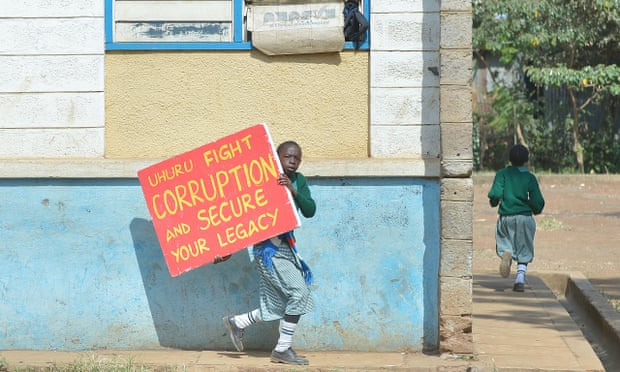
Schoolchildren flee tear gas in Nairobi after police break up a protest. Schoolchildren flee tear gas in Nairobi after police break up a protest. Oxfam says lost tax revenues from offshore holdings cost Africa an estimated $14bn a year. Photograph: Tony Karumba/AFP/Getty Images

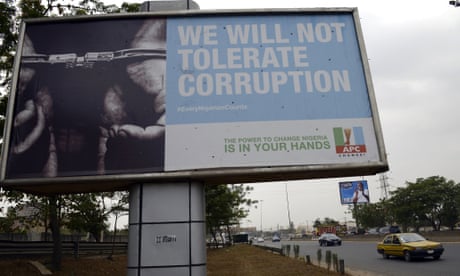
Corruption is the most neglected human rights violation of our time. It fuels injustice, inequality and depravation, and is a major catalyst for migration and terrorism.

In Africa, the social and political consequences of corruption rob nations of resources and potential, and drive inequality, resentment and radicalisation. Corruption cheats the continent’s governments of some $50bn (£38bn) annually, and stymies successful cities, sustainable economies and safe societies.

This corruption discourages donors and destroys investor confidence, strangling development, progress and prosperity.

Added to that, across the continent, sociopolitical dissatisfaction at corruption provides fertile ground for radicalisation, and some extremist organisations are adept at portraying Islamism as the solution to such injustice.

For example, corruption stimulates recruitment of young Nigerians into the ranks of Boko Haram. In a recent study, 70% of those interviewed in the state of Sokoto cited corruption as a factor driving radicalisation.

By understanding corruption’s full impact and seeing it through the eyes of its victims, we can create new weapons to combat it. This is worth considering as we approach the first-year review of the sustainable development goals. Among them is SDG 16, which aims to reduce bribery and corruption, develop accountable institutions, cut the flow of illicit money and weapons, and strengthen the recovery and return of stolen assets.

More can be done at a global level to support these ambitions. Bilateral trade agreements should be based on commitments to end corruption and protect human rights, and protocols to prevent corruption should be built into development aid and loans.

There are some encouraging signs on the continent. When leaders from countries such as Kenya, Rwanda, Nigeria and Tanzania highlight corruption as a major threat to their countries, then we might just be seeing the final days of impunity. The test now is whether they deliver on these fresh anti-corruption promises in credible ways that take account of human rights.

Human rights are enforced by international treaties, backed by judicial bodies with teeth such as the international criminal court, the international court of justice and regional bodies such as the African court on human and people’s rights. The UN security council and the African Union’s peace and security council can impose sanctions in response to violations of political, economic, social or cultural rights, or to deal with torture, genocide and war crimes. On top of that, countries and international bodies have an obligation to act when human rights are breached.

That’s why so little progress has been made by the UN convention against corruption (Uncac). This global agreement elevated anti-corruption action to the world stage. But Uncac relies on states for implementation, and – unlike global protocols governing human rights – there is no effective sanction for those in breach. An absence of enforcement creates space for corrupt officials and businesspeople to hide without fear of pursuit or prosecution. And there is little political will to change things.

We need to give Uncac muscle by joining the moral and legal dots between corruption, human rights abuses and international crimes. Acknowledging the negative human rights impact of corruption makes it imperative for African states to provide better protection to their citizens. Africans have the most at stake in getting anti-corruption efforts to work, because corruption disproportionately affects poor people.

A more rights-based approach to corruption is a good strategy for both African and European governments. It would mean greater political stability, and provide an environment for sustained social and economic development. This, in turn, would have a positive effect on the drivers of conflict, terrorism and migration.

The human rights community built an arsenal to protect people. Now anti-corruption activists need to do the same.

  • Anton du Plessis is executive director of the Institute for Security Studies in South Africa
Source=https://www.theguardian.com/global-development/2016/sep/16/corruption-africa-violates-human-rights-fuels-radicalism-why-do-we-tolerate-it?CMP=share_btn_link

UN calls on Eritrea to come clean on Swedish journalist

The campaign to free Dawit Isaak is still strong in Sweden after 15 years. Photo: Frankie Fouganthin/Wikimedia Commons


Published: 17 Sep 2016 10:41 GMT+02:00

FacebookTwitterGoogle+reddit
The group of senior cabinet ministers, members of parliament and independent journalists, including Isak, were seized in a draconian purge on September 18, 2001 and the days that followed.
   
The government of Eritrea's authoritarian leader Issaias Afeworki has said those arrested were a threat to national security, and have never disclosed their whereabouts or state of health.
   
"Those arrested have been detained incommunicado and in solitary confinement," said Sheila Keetharuth, the UN special rapporteur on the human rights situation in Eritrea.
   
"Even family members have never been allowed to have any contact whatsoever with them," she said in a statement issued ahead of the 15th anniversary of the arrests.
   
They are all still being held in secret locations, although media reports indicate several may have died after being held for years in horrendous conditions.
   
Among those seized was Swedish-Eritrean journalist and author Dawit Isaak.
 
Despite efforts by Sweden, the EU and others to ensure his release or at least receive assurances that he is still alive, the diabetic journalist has been held incommunicado since then, accused of spying but never charged or sentenced.
   
Those arrested 15 years ago are not the only victims of rights abuses in Eritrea.
   
Keetharuth warned that "the 2001 clampdown set in motion a chain of egregious, widespread and systematic human rights violations that continues to this very day".
   
She listed arbitrary arrests, incommunicado detention, disappearances and torture among the continuing abuses.
   
Keetharuth served on a UN Commission of Inquiry that concluded earlier this year that Eritrean officials were guilty of "crimes against humanity". 

For more news from Sweden, join us onFacebookandTwitter.

By Abraham T. Zere / 16 September 2016
Facebooktwittergoogle_plusredditpinterestlinkedintumblr
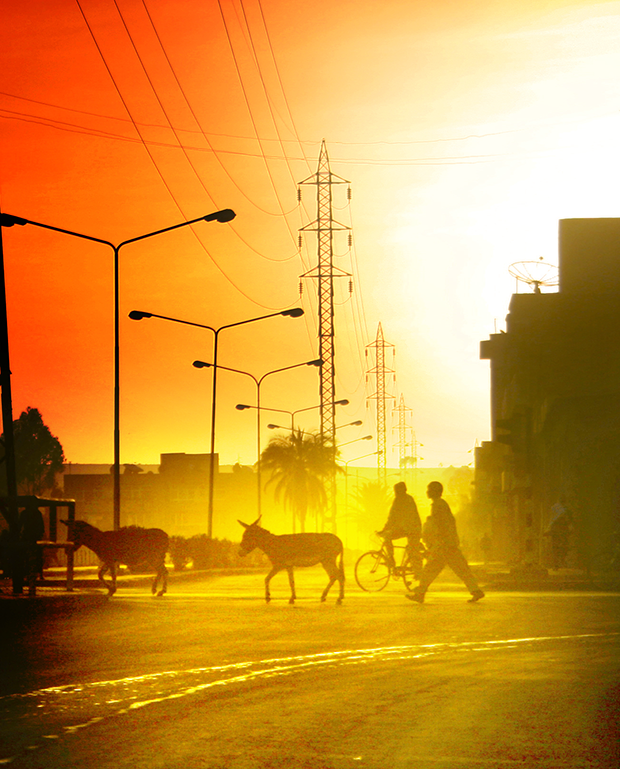
Scenes from Eritrea, photographs by Yonatan Tewelde

Scenes from Eritrea, photographs by Yonatan Tewelde

It initially sounded like a joke; gradually it got serious and then tragic. A decade and a half later, it is catastrophe.

Fifteen years ago on 18 September, 2001, fellow students of University of Asmara and I were confined in two labour camps, GelAlo and Wi’A, for defying a requirement of unpaid summer work. We were kept in the camps, under harsh, atrocious living conditions and open to the weather that normally reaches 45 C (113 F) for about five weeks. As we were preparing to return home, we learned the government had banned seven private newspapers and imprisoned11 top government officials.

The day after our homecoming, beaten down and demoralised, I went to meetAmanuel Asrat, chief editor of Zemen newspaper. About 10 days before that, he had received an article, in which I detailed our living conditions, that I had managed to get smuggled out of the prison camp. My piece was published in the last issue of the newspaper.

An atmosphere of fear pervaded Asmara. The environment had changed abruptly from heated and loud political debates to people resigning themselves to whispers and silence.

Unlike our previous meetings when Asrat greeted me with a joke, this time his dejection was obvious.

I do not remember exactly what we talked about, nor do I remember where we met. I assume Asrat must have expressed satisfaction about my safe return (as two students had died in the camp) and perhaps asked about my family. It’s possible we talked about the days before we had been sent to the prison camp. I do not know.

Yet, I remember vividly that we briefly talked about the letter I had sent him from the camp, and him explaining why he had published it anonymously. He didn’t want to incriminate me in its publication. Asrat also assured me that he had destroyed the original letter after publishing it.

What else do I remember from that encounter? Nothing substantial apart from him saying in a resigned tone, “Things are getting worse. It is inevitable we [the journalists] will also follow the political leaders [who had been imprisoned].”

At that point, we went our separate ways, probably hoping to meet some days later.

Before a second meeting with Asrat, I received the news of his and other journalists’ arrests. Even then, no one thought they would be held for more than a few days or weeks.

This is why journalistDawit Habtemichaelshowed up at his workplace the next morning — even after security had come to his home the previous day and hadn’t found him. He reasoned that they would arrest him and release him shortly thereafter, a common occurrence at the time. He arrived confidently at his office, prepared to be arrested. He probably felt that fleeing would be an act of betrayal to his colleagues and friends.

Contrary to expectations, both Habtemichael and Asrat have been kept incommunicado in secret prisons with 10 other journalists and 23 political figures for the last 15 years. The Eritrean authorities have never clarified their fates, but someallegedly leakedinformation by ananonymous whistleblowerindicates that only 15 of the total 35 prisoners are alive in the worst living conditions. The journalists who were incarcerated in connection with the press crackdown in 2001 are: Amanuel Asrat, Idris Said Aba’Are,Seyoum Tsehaye, Yousif Mohammed Ali, Said Abdelkadir, Medhanie Haile, Dawit Isaak, Dawit Habtemichael, Matheos Habteab, Fessaha “Joshua” Yohannes, Temesegen Ghebereyesus, and Sahle “Wedi-Itay” Tsegazeab. The leaked source allegedly states only five of the 12 were alive in deteriorating health conditions as of the beginning of this year.

So until the arrested journalists were transferred to an unknown prison outside the capital, many of us – and maybe even those who had been arrested – had high hopes that things would normalise and they would shortly be released from detention. Apart from the architects of repression, nobody guessed that the reign of terror and fear would last for 15 years – and continue to this day.

The culture of fear and hushed whispers gradually pervaded Eritrea until it became the nation’s signature reality. All roads began leading to dead ends. Silence and lack of cooperation became the only means of defiance that would not lead to arrest and imprisonment. The regime’s elimination of all independent media operating in the country conspired with a lack of public forums to effectively zombify Eritreans living inside the country.

Now it has reached a stage where failure to applaud unconditionally all actions taken by the government, no matter how irrational or arbitrary, can be considered as dissidence.

Over the last 15 years Eritreans have been pushed to the edge. Fear has been internalised. Nationals living inside the country are beaten down to docility and respond to orders and requirements without question. The country is plagued with harsh living conditions as a result of shortsighted policies, tattered institutions and a ragged social fabric characterised by mistrust.

Unlike 2001 when I was confident that the journalists would be released after a short time, in January 2015, I celebrated as miraculous the release of Radio Bana journalistsafter six yearsin prison without charges. Of course, I had no doubt they were all innocent, and the release of an earlier batch two years before confirmed this fact. Among them was a man who had been imprisoned for four years in place of another man who shared the same first name. In another nonsensical interrogation, related by one of the Radio Bana journalists who were released, authorities showed a print article as evidence of a broadcast allegedly aired by the opposition radio station.

No matter how long the Radio Bana journalists had stayed in prison or the sufferings they had gone through, their release was still big news to celebrate. Any release of political prisoners has been a rare occurrence in Eritrea, which is why many of us called the freed journalists to congratulate them. In a system that follows the perverted logic of “guilty until proven innocent,” it was important to celebrate their freedom  because no one can guess the irrational acts the regime repeatedly takes.

With the state media parroting ceaseless propaganda and hate-filled editorials, citizens have mastered a special skill: how to read between the lines. Most Eritreans do not listen to what the president says in his regular, repetitious interviews with the national media. Rather they read his gestures, listen to his tone and scan his appearance to get a feel for the state of the country. Many Eritreans check the media just long enough to determine whether he looks healthy or not.

This accumulation of fear, with a stifled media and ubiquitous censorship, has earned Eritrea the title of “most censored country in the world”, according to Committee to Protect Journalists. It also has placed it as the last country in World Press Freedom Index, as reported by Reporters Without Borders.

Source=https://www.indexoncensorship.org/2016/09/abraham-zere-15-years-fear-eritreans-read-lines/

GENEVA (16 September 2016) – The UN Special Rapporteur on the situation of human rights in Eritrea, Sheila B. Keetharuth, today called on the Eritrean Government to urgently provide information on the whereabouts and state of health of senior government officials and independent journalists arrested on 18 September 2001 and in the following days.

Fifteen years ago, the Eritrean authorities arrested and detained a group of senior cabinet ministers, members of parliament and independent journalists without charge or trial. To date, the Government has refused to share any information on their whereabouts and state of health.

“The Eritrean Government has denied those arrested their fundamental right to liberty and security of the person, right not to be subjected to torture, right to a fair trial as well as right to freedom of expression and opinion,” Ms. Keetharuth said ahead of the anniversary on Sunday. “Those arrested have been detained incommunicado and in solitary confinement. Even family members have never been allowed to have any contact whatsoever with them.” 

“The 2001 clampdown set in motion a chain of egregious, widespread and systematic human rights violations that continues to this very day, including arbitrary arrests, incommunicado detention, denial of the right to a fair trial within a reasonable time, right not to be subjected to torture, and disappearances, among others,” the Special Rapporteur said. “In addition, the right to freedom of opinion and expression as well the right to freedom of the press has since then, also been negatively impacted.”

Earlier this year, the UN Commission of Inquiry on human rights in Eritrea* –of which Ms. Keetharuth was also a member- concluded that “there are reasonable grounds to believe that Eritrean officials have committed among others the crime of enforced disappearance, a crime against humanity.”

The Government of Eritrea said that the arrests and detentions of September 2001 were in response to national security threats posed by the prominent politicians and independent journalists. However, the expert stressed that “invoking national security as the main reason to violate basic fundamental human rights of Eritreans cannot be perpetual.”

“All those arrested in September 2001, as well as of all other detainees, including those arrested in the aftermath of the 2013 ‘Forto’ incident should either be brought to court or released unconditionally and immediately if not charged,” she said. “Furthermore, the Eritrean authorities should allow independent monitors to have unhindered access to all detainees in the country as a matter of priority.”
The Special Rapporteur recalled that Eritrea is party to the International Covenant on Civil and Political Rights since 2002, to the African Charter on Human and Peoples’ Rights since 1999 and to the Convention against Torture since 2014.

“However, it has consistently failed to give effect to their provisions guaranteeing universal fundamental human rights to its people,” Ms. Keetharuth noted. “It is time to reverse this trend and ensure accountability for past and ongoing crimes.”

(*) Check the Commission of Enquiry’s report: http://www.ohchr.org/EN/HRBodies/HRC/CoIEritrea/Pages/2016ReportCoIEritrea.aspx

Ms. Sheila B. Keetharuth was appointed as the Special Rapporteur on the human rights situation in Eritrea during the 21st Session of the UN Human Rights Council in September 2012.  She took her functions on 1 November 2012 and was member of the Commission of Inquiry on human rights in Eritrea (COIE) from June 2014 to June 2016.  As Special Rapporteur, she is independent from any government or organization and serves in her individual capacity.  A lawyer from Mauritius, she has extensive experience in monitoring and documenting human rights violations, advocacy, training and litigation in human rights in Africa. Learn more, log on to: http://www.ohchr.org/EN/HRBodies/SP/CountriesMandates/ER/Pages/SREritrea.aspx

The Special Rapporteurs are part of what is known as the Special Procedures of the Human Rights Council. Special Procedures, the largest body of independent experts in the UN Human Rights system, is the general name of the Council’s independent fact-finding and monitoring mechanisms that address either specific country situations or thematic issues in all parts of the world. Special Procedures’ experts work on a voluntary basis; they are not UN staff and do not receive a salary for their work. They are independent from any government or organization and serve in their individual capacity.

UN Human Rights, country page – Eritrea: http://www.ohchr.org/EN/Countries/AfricaRegion/Pages/ERIndex.aspx

For press inquiries and additional information, please contact Ms. Françoise Mianda (+41 22 917 92 50 / ) or write to

For media inquiries related to other UN mandates:
Xabier Celaya, UN Human Rights – Media Unit (+ 41 22 917 9383 / )

For your news websites and social media: Multimedia content & key messages relating to our news releases are available on UN Human Rights social media channels, listed below. Please tag us using the proper handles:
Twitter: @UNHumanRights
Facebook: unitednationshumanrights
Instagram: unitednationshumanrights
Google+: unitednationshumanrights
Youtube: unohchr

- See more at: http://www.ohchr.org/EN/NewsEvents/Pages/DisplayNews.aspx?NewsID=20515&LangID=E#sthash.3ktPpURp.dpuf

Source=http://www.ohchr.org/EN/NewsEvents/Pages/DisplayNews.aspx?NewsID=20515&LangID=E

14 መስከረም 2016

ሶሻል ዲሞክራስያውያን ዞባ ሶልና ናይ መፈለምታ (kick off) ርክቦም ኣብ ክለብ ናይቲ ንስርዓት ኤርትራ ዝድግፍ ማሕበር ገይሮም። ብኡ ምኽንያት ድማ ይንቀፉ ኣለዉ። ኣባል ሽማግለ ተቓዋሚ ሰልፊ ሶሻል ዲሞክራሲ ኣብ ሶልና ዝኾነ ኣርነ አበርይ ይብል ንሕና ብጣዕሚ ተሪር ዝኾነ ነቐፌታዊ ኣረኣእያ ኣብ ልዕሊ ናይ ኤርትራ ዲክታቶር ኣሎና።

ሶሻል ዲሞክራስያውያን ናይ ዞባ ሶልና ብዕለት 5 መስከረም ሰልፋዊ ኣኼባኦም ንኽገብሩ ናይ ማሕበር ኤርትራውያን መአከቢ ቦታ እዮም ተለቂሖም። ኣብቲ ኣኼባ ዝተቐረበ መግቢ በቲ ኤርትራዊ ማሕበር ኢዩ ተዳልዩ። ነዚ ኣገባብዚ ብኣባል ባይቶ ሽወደን (ኣባል ዓቃባዊ ሰልፊ) ዝኾነ ሓኒፍ ባሊ ተሪር ነቐፌታ ተገይሩሉ። እቲ ማሕበር ሰዓቢ ናይቲ ኣብ ኤርትራ ዘሎ ስርዓት ኮይኑ መሳርሒ (extended arm) ናይቲ ዲክታቶር ኢዩ ይብል ሓኒፍ።

ሽወደናዊ–ኤርትራዊ ኣርሀ ሓምድናካ፡ ሶሻል ዲሞክራስያዊ ኣባል ባይቶ ሽወደን እውን እቲ ማሕበር ደጋፊ ስርዓት ኤርትራ ምዃኑ እዩ ዝገልጽ። እቲ ማሕበር ኣብ ዝሓለፈ ዓመታት ልክዕ ከም ካልኦት ተመሳሰልቲ ማሕበራት ካብ ከተማ ሶልና ፋይናንስያዊ ሓገዝ ክግበረሉ ጸኒሑ ኢዩ። ይኹንምበር ቅድሚ መአከቢ ቦታ ምሓዝ ቁሩብ ምርምር እንተዝግበር ኔሩ ምሓሸ። እዚ ካብቶም ነቲ ስርዓት ዝነጽጉ ናይ ሶልና ብጾተይ ዝተረኽበ ስሕታን ኢዩ።

እቲ ክለብ ንዝተፈላለዩ ተጠቀምቲ ኣገልግሎት ዝሃበ ኢዩ

ኣባል ሽማግለ ተቓዋሚ ሰልፊ ሶሻል ዲሞክራሲ ኣብ ሶልና ዝኾነ ኣርነ አበርይ፣ እቲ ክለብ ብዙሕ ግዜ ብዝተፈላለዩ ምኽንያታት ክግልገለሉ ከም ዝተጸንሐ ይነግር።

እቲ ክለብ ዝተፈላለዩ ተጠቀምቲ ቀጻሊ ክግልገሉሉ ጸኒሖም እዮም። ሶሻል ዲሞክራስያውያን ንኣባላትና መግቢ ኣዚዝና። ኣባላት ኤርትራዊ ማሕበር ካብ ነቲ ዝርዝር መግቢ (menu) ምግላጽ ሓሊፎም ኣብቲ ኣኼባና ኣይተሳተፉን።

ደጊሙ  ብምምልካት ድማ ሶሻል ዲሞክራስያውያን ዞባ ሶልና ነቲ ኣብ ኤርትራ ዘሎ ስርዓት ከም ዝነጽጉ ይነግር። ዳዊት ኢሳቕ ብቕጽበት ነጻ ክልቀቕ ንዝግበር ጠለባት ከም ንድግፍ ከኣ ብሩህ ኢዩ።

ቅርሕንቲ ኣብ መንጎ ደገፍቲ ስርዓትን ተቓወምትን

ኣብ መንጎ ደገፍቲ ስርዓትን ተቓወምትን ሰፊሕ ዘይምቅዳው ኣሎ። ብኣባሃህላ ውድባት ሰብኣዊ መሰል፡ ኣብ ኤርትራ ኣሽሓት ናይ ፖለቲካ እስረኛታት ከም ዘለዉ ይግለጽ፣ ኤርትራዊ–ሽወደናዊ ጋዜጠኛ ዳዊት ኢሳቕ ሓደ ካብኦም እዩ። ብዙሓት ኤርትራውያን ስደተኛታት ተደናገጽቲ ናይ ሰበ ስልጣን ኤርትራ ግን ደሪቖም ምጽላም ሃገር ኢዩ ይብሉ።  

Thursday, 15 September 2016 20:46

S bokade Eritreanska föreningens lokal

Written by

Hanif Bali (M) kritiserar arrangemanget. Foto: Olle Sporrong

Hanif Bali (M) kritiserar arrangemanget. Foto: Olle Sporrong
 
Socialdemokraterna i Solna hade sin kickoff i en lokal som tillhör Eritreanska föreningen, som enligt kritiker stöttar regimen.

Nu får de kritik för sitt samarbete.

– Vi är väldigt tydliga med att vi är starkt kritiska till diktaturen i Eritrea, svarar Arne Öberg (S), oppositionsråd i Solna stad.


Eritrea

* Från 1889 var Eritrea en italiensk koloni, men efter andra världskriget blev det enligt ett FN-beslut en del av Etiopien. När etiopierna 1962 upphävde det självstyre som utlovats bröt ett befrielsekrig ut som varade i tre årtionden.

* År 1991 intog rebellgruppen EPLF huvudstaden Asmara. Eritreanerna kunde 1993 utropa sin egen stat, med stöd av en ny regering i Etiopien. 1998-2000 rasade ett gränskrig mellan de båda länderna. Konflikten har förblivit olöst.

* Makten är koncentrerad till president Isaias Afwerki och hans parti PFDJ.

* När organisationen Reportrar utan gränser listar pressfriheten i världen hamnar Eritrea på 180:e plats, efter Nordkorea.

* Amnesty pekar på att tusentals politiska fångar sitter fängslade, ofta utan vare sig åtal eller dom. Den svensk-eritreanske journalisten Dawit Isaak sitter fängslad i Eritrea sedan 2001.

* Befolkningen är ungefär jämnt fördelad mellan muslimer och kristna.

Källa: Nationalencyklopedin, Utrikespolitiska institutet

När Socialdemokraterna i Solna stad skulle ha partimöte den 5 september lånade partiet Eritreanska föreningens lokal. Maten som serverades hade föreningen lagat. Arrangemanget får stark kritik av riksdagsledamoten Hanif Bali (M).

– Föreningen är trogen regimen i Eritrea och fungerar som diktaturens förlängda arm, säger han.

Även Arhe Hamednaca, svensk-eritreansk regimkritisk riksdagsman (S), beskriver föreningen som regimvänlig.

– Föreningen har tidigare år fått bidrag från Solna stad som vilken förening som helst. Men det hade varit bra om man gjort research innan man bokat lokal. Det var en miss av mina kolleger som tar avstånd från regimen, säger han.

Source=http://www.expressen.se/nyheter/s-bokade-eritreanska-foreningens-lokal/


ርእሰ-ዓንቀጽህኤ

ኣብ ሕብረተሰብና ሓደ ሰብ “ዝባን ሕጊ” ኢልካ ኣንተ ገዚዝካዮ ካብታ ዘለዋ ክንቀሳቐስ ኣይክእልን እዩ። እዚ ናይ ሕጊ ሓያልነትን ቀያድነትን ካብ ዘርእዩ ብዙሓት ኣብነታት እዩ። ካብዚ ሓሊፉ” ንሺሕ ፈልጺ መእሰሪኡ ልሕጺ፡ ዳኛ ዘየብሉ ጉዳይ ጥፉእ፡ ማሕለኻ ዘየብሉ ጸባ ድፉእ ..” ዝብሉ ኣብነታዊ ኣዘራርባታት እውን መልእኽቶም ልዕልና ሕጊ ምንጽብራቕ እዩ። ካብዚ ሓሊፉ፡ ግዚ ተተጣሒሱ፡ ዳኛ ተበዂሩን ማሕለኻ ተተፈቲሑን ዝስዕብ ጉድኣት ከኣ ሃሳዪ እዩ።

ሕጊ ንሓንሳብ የርውየካ ንሓንሳብ ድማ የገድደካ። ስለዚ ሕጊ ተመቀረካ ትልሕፎ ተመረረካ ከኣ ትተፍኦ ዘይኮነስ፡ እንተመረካ’ውን ጥዒምካ ትገድፎ ዘይኮነስ ተገዲድካ እትውሕጦ እዩ። ኩሉ ግዜ ሕጊ እንዳረገጸ ብዝጠዓሞን ዝኣምኖን ጥራይ ዝኸይድ ከኣ በይኑ ዝነብር እዩ። ምኽንያቱ ቀንዲ ተልእኮ ሕጊ በበይኑ ናይ ብዝሑነትን ሓሳብን ፍልልይ ዘለዎም ወገናት ንናይ ሓባር ህልውነኦም ጠሚሩ ዘኽይድ ናይ ምግዳድ ባህሪ ዘለዎ መሳርሒ ስለ ዝኾነ። ሕጊ ካብ ተፈጥሮኣዊ ጀሚርካ ክሳብ ሰብ ሰርሖ ብዙሕ ባህርያት ዘለዎ እዩ። ሕጊ ኣኽቢርካ ምኻድ ድሌትካ ዝግድብ ስለ ዝኾነ ምትግባሩ ቀሊል ኣይኮነን። ምእንቲ እዚ እዩ ከኣ ናይ ሕጊ ግዙእን ቅዩድን ክትከውን ዋጋ ከም ዘኽፍል ዝግለጽ።

ናይ ሕጊ ስፍሓትን ዕምቆትን ከከምቲ ዝግልገለሉ እኩብ ኣካል ዝፈላለ እዩ። ፖለቲካዊ ትካላት ዝመሓደርሉ ሕጊ ናቱ ስፍሓት ኣለዎ። በርገሳዊ ኮኑ ናይ ንግዲ ማሕበራት ዝምሓደርሉ ሕግታት’ውን ነናቶም ስፍሓትን ዕምቆትን ኣለዎም። ብባህሪ ደረጃ ግና ነቲ ዝተፈላለየ ድሌታት ኣዕጊስካ ኣብ ሓደ ማእከላይ ነጥቢ ናይ ምርግኡ ኣገዳዲ ተልእኮ ኣለዎም። ናይ ሓንቲ ሃገር ሕገ-መንግስቲ ኣብ በሪኽ ዝስራዕ ናይ ሕግታት ጐብለል እዩ። ብሳላ ዳንነት ናይዚ ሕጊ እየን ድማ ብኹሉ መለክዕታት ብዙሕነት ዘለወን ሃገራት ህዝበን ኣሳንየን ዘንብራ። ብፍላይ ኣብ ፖለቲካውን ምምሕዳራውን መዳይ ክንመጽእ እንከለና ሕጊ ኣገዳሲ ናይ ኩሉ ምዕባለታት መቆጻጸሪ ቀጥዒ እዩ። ብመንጽር እዚ መዕቀኒ እዚ ኢኻ ድማ ንሰባት ምእዙዝ ወይ ብኣንጻሩ ፍኑው ክትብሎም እትኽእል። ካብዚ ነቒልና ኢና ድማ ሕጊ ልዕሊ ሰባት እምበር ሰባት ብውልቂ ይኹን ብሓባር ልዕሊ ሕጊ ክስርዑ ኣይክእሉን እንብል። እዚ ክበሃል እንከሎ ግና ሰባት ብዛዕባ’ቲ ሕጊ ዝግድቦም ጉዳያት ክሓስቡ ኣይክእሉን ማለት ኣይኮነን። እቲ ዝትግብርዎ ግና እቲ ሕጊ ዝፈቕዶ ጥራይ እዩ።

ብኩራት ሕጊ ክሳብ ክንደይ ከም ዝሃሲ ዝያዳ ኩሉ ንዓና ንኤርትራውያን ብሩህ እዩ። ሃገርናን ህዝብናን ብሰንኪ ጉጅለ ህግደፍ ሕገ-መንግስቲ ኣብ ዘየብሉ ብምንባሮም ዝወርዶም ዘሎ ጉድኣት ስለ እንርዳኣ። ኣብ ኤርትራ ልዕልና ውልቀሰብ እምበር ልዕልና ሕጊ የለን። ኣብ ኤርትራ ዘሎ ጸገም ናይ ሕጊ ኣቀማምጣ ዘይኮነ ብመሰረቱ’ውን የለን። ኣብ ኤርትራ ዝቐትልን ዝምሕርን ባዕሉ ልዕሊ ሕጊ ገይሩ ዝሰኣለ ሰብ እምበር ሕጊ ኣይኮነን። ብመሰረቱ ማእከላይ ነጥቢ ናይዚ ነካይዶ ዘለና ቃልሲ ብግብሪ ኩሉ ትሕቲ ሕጊ ዝኾነሉ ስርዓት ንምምጻእ እዩ። ሕጊ ልዕሊ ሰባት ዝኾነሉ ስርዓት  ክትክል ግና ቅድሚ ኩሉ ብንጹርን ብቐጻልን ንነብስኻ ትሕቲ ሕጊ ምዃንካ ከተእምን ናይ ግድን እዩ። ነዚ ክትበቅዕ ከኣ ካብ ውልቅኻ ጀሚርካ ክሳብቲ ከም መቃለሲ ዝመረጽካዮ መድረኽ ውሽጣዊ ቃልሲ ኣካይድካ ድሌትካን ስምዒትካን ክትገንሕ ምብቃዕ የድሊ። ሕጊ እንታይ ከም ዝብል ምርዳእን በቲ ትረደኦኻ ቅዩድ ምዃንን ከኣ ካልእ ጸገም እዩ። ብሓፈሻ ኣብዚ እዋንዚ ንዓለምና የናውጽዋ ካብ ዘለዉ ክስተታት ሓደ ሰባት ልዕሊ ሕጊ ክኾኑ ዝገብርዎ ፋሕተርተር እዩ።

ሕጊ ይንኣስ ይዕበ ብዙሓት ጉዳያት ስለ ዝድህስስ ከከም ባህሪ ናይቲ ዝትግበረሉ መድረኽ ዝርዝራት ኣለዎ። ንኣብነት ኣብ ጉዳይ ፖለቲካዊ ትካላት ክንመጽእ እንከለና፡ ሓደ ሰብ ሓደ ድምጺ፡  ውሑዳት ብውሳነ ብዙሓት ይምእዘዙ፡ ታሕትዎት ብውሳነ ላዕለዎት ይቕየዱ .. ዝብሉ ዓንቀጻት ወሰንቲ ናይ ቅዋም ኣዕኑድ እዮም። ኣብዚ እቶም ክምእዘዙ ይግበኦም ንብሎም ዘለና ታሕተዎት ወይ ውሑዳት ኣብቲ ዝምእዘዝሉ ዕጉባት ዘይምዃን ከጋጥም ይኽእል እዩ። ኣብ ጽላል እዞም ወሰንቲ ኣዕኑድ ክትነብር ዘይዕግበትካ ምውሓጥ ግድን እዩ። ኣብ ንከምኡ ዘብቅዕ መድረኽ ዘይዕግበትካ ምስ ምኽንያቱ ክትገልጽን ደገፍ ረኺብካ ኣብዘሓ ክትከውን ምጽዓርን ብሕጊ ዝተሓለወ መሰል እዩ። ሎሚ ደገፍ ብዙሓት ዘይረኸበ ሓሳብ ጽባሕ ናይ ብዙሓት ናይ ምዃኑ ዕድሉ ክፉት ስለ ዝኾነ ከኣ ቀጻሊ ቃልሲ ይሓትት። ኣብዚ ሓደ ክንጸር ዝግበኦ እቲ ናይ ውሑዳት ወይ ታሕተዎት ሓሳብ ካብቲ ናይ ብዙሓት ወይ ላዕለዎት ሓሳብ ዝያዳ ቅኑዕ ክኸውን ይኽእል እዩ። ናይ ሕጊ ደገፍ ክሳብ ዘይረኸበ ግና ዝስማዕ’ምበር ዝትግበር ክኸውን ከቶ ኣይክእልን እዩ።

በብናይ ገዛእ ርእስኻ ውሳነን ምርጫን ብሓባር ክትቃለስ እንከለኻ ኣቶም ተዋሳእቲ ብብዙሕ መዕቀንታት ዝተፈላለዩ ባህርያት ዝውክሉ እዮም። እቲ ብዙሕነት ኣብ እምነት፡ ጾታ፡ ዕድመ ተመኩሮ ወይ መጻኢ ራኢ ዘትከለ ክኸውን ይኽእል። ዝያዳ ድማ ኣብ ብቕዓት። ኣብዚ እቶም ዝያዳ ብቑዓት ዝጻወትዎ ግደ ጸብለል ዝብል ከም ዝኸውን ርዱእ እዩ። ጉዳያት ብሕጋዊ ዓይኒ ክምመ እንከሎ ግና ኣብ ቅድሚ ሕጊ ኩሉ ማዕረ እዩ።

Wednesday, 14 September 2016 20:30

Seminar on The Importance of Rule of Law in a nation

Written by

Seminar

ቤት ጽሕፈት ዜና ሰህኤ

ሰልፊ ሞክራሲ ህዝቢ ኤርትራ ናብ ሚኒስተር ወጻኢ ጉዳይ ጀርመን ኣቶ ፍራንክ ዋልተር ስተኢንመየር መዘክር ልኢኹ። ኣብዚ መዘክሩ መንግስቲ ጀርመንን መሪሕነቱን ብዛዕባቲ ኤውሮጳ ንመንግስቲ ኤርትራ እትህቦ ሓገዝ የጋግዩ ከይህልዉ ዘለዎ ስኽፍቲ ገሊጹ። እቲ መልእኽቲ፡ እቲ ብመንግስቲ ጀርመን ዝተዓደመ ልኡኽ ኤርትራ እንተላይ ብገበን ግህሰት ሰብኣዊ መሰል ዝጥርጠሩ ገበነኛታት ከም ዘጠቓለለ’ውን ኣመልኪቱ።

News Item 13092016 1

እዚ ተሪር መልእኽቲ ዝሓዘ መዘክር ሰደህኤ፡ ናብ ናይ ጀርመን ኣቦመንበር ፓርላማ፡ ናብ ሚኒስተር ቁጠባን ዕቤትን ከምኡ እውን ነተን ኣብዚ ዝሓለፈ ዓመታት ጸረ-ህዝብነቱ ምስ ዝተረጋገጸ ስርዓት ኤርትራ ብዛዕባ ምምሕያሽ ዝምድና ምስ ሓጋጊ ኣካልን ላዕለዎት ሓለፍትን መንገስቲ ጀርመን ክዘራረብ ዕድል ዝፈቓዳ ዓበይቲ ሰልፍታት ብመልክዕ ቅዳሕ ተላኢኹ።

.መዘክር ሰህኤ መልእኽቱ ብምቕጻል፡ ሓለፍቲ ጀርመን ምስቲ ኣብ ዝሓለፈ ዓመት ኣብ ልዕሊ ዜጋታቱ ገበናት ብምፍጻሙ ዝተኾነነ መንግስቲ ዝዘራርብሉ ቅቡል ምኽንያት ከምዘይረኣዮ ገሊጹ። እዚ ኣብ ከተማ በርሊን ብ8 መስከረም 2016 እቲ ጫካን ኣማኻሪ ፕረሲደት የማነ ገብረኣብ ምስ ዝርከቦ ልኡኽ ዝተኻየድ ርክብ ዝወደበ፡ ጀርመን- ኣፍሪቃ ፋንደሽን ዝበሃል ኣብዚ እዋንዚ ብወይዘሮ ኡርሱላ ኢድ ካብ ሓምላይ ሰልፊ ዝምራሕ ዘሎ እዩ።

The  EPDP memorandum also stated as follows:  

እቲ ብሰልፊ ሞክራሲ ህዝቢ ኤርትራ ዝቐረበ መዘክር እዚ ዝስዕብ እውን ጠቒሱ። “መንግስትን መብዛሕትኡ ህዝብን ጀርመን ኣብ ኤርትራ ዘሎ ኩነታት ዘይጽወርን ብሰብኣውነት ክትዕገሶ ዘይከኣልን ምዃኑ ይፈልጡ እዮም። እዚ ጥራይ ኣይኮነን ናይቲ ኣብ ኤርትራ ዘሎ ኩነታት መሰረታዊ ምኽንያት፡ ምንፋግ መሰልን ብኩራት ቅርዑይ ምምሕዳር እዩ። እዚ ድማ ኣብ ከምቲ ኣብ ኤርትራ ዝረአ ዘሎ ምልካዊ ስርዓት ብምቅብጣር ዝፍታሕ ኣይኮነን። ብኣንጻሩ ከምዚ ዝኣመሰለ ምልስላስ ኣብ ኣተሓሕዛ ሰብኣዊ መሰልን፡ ደሞክራስን ፍትሓውነትን ኣብ ኤርትራ ኮነ ኣብ ካልእ ከባቢብታት ናብ ከዚ ኣብ ሱርያ ዝረአ ዘሎ ኩነታት ዘምርሕ እዩ።

ካብዚ ሓሊፉ፡ ኣብ ሕቡራት መንግስታት ኣቦመንበር ኮሚሽን ሰብኣዊ መሰላት ኤርትራ፡ ኣብ 21 ሰነ 2016 ንባይቶ ሰባኣዊ መሰል  “ሕገመንግስቲ ኮነ ሃገራዊ ፓርላማ ክሳብ ዘየለ፡ ኣበይ’ዩ ብዛዕባ ሃገራዊ ሕቶታት ዝዝተ? መወዳእታ ዘየብሉ ግዱድ ኣገልግሎት ክሳብ ዘሎ፡ ነጻ ፕረስ ኣብ ዘየብሉ፡ ብዘይካቶም ብመንግስቲ ዝሽየሙ፡ ናጻ በርገሳዊ ማሕበራት ኣብ ዘየብሉ፡ ህዝቢ ኣብ ስግኣትን መንግስታዊ ቁጽጽርን ኣብ ዝነብረሉ፡ ብግቡእ ምኽባር ሰብኣዊ መሰላትን ሓቀኛ ዕቤት ህዝቢ ኤርትራን ክህሉ ኣይክእልን እዩ።” ኢሎም። ናይ ሕቡራት ሃገራት ኮሚሽን ሰባኣዊ መሰል ንኤርትራውያን ገበነኛታት ኣብ ፍትሒ ምቕራብ ዝብል መደምደምታ ዝበጸሐ፡ ምእንቲ እቶም ግዳያት ህግሰት ዝኾኑ ዘለዉ ኣእላፍ ኤርትራውያ ጥራይ ዘይኮነ፡ ኣብ ዝኾነ ኩርናዕ ከምዚ ኣብ ልዕሊ ኤርትራውያን ዝፍጸም ዘሎ ክረአ እንከሎ ቅቡል ከምዘይኮነ ንምምልካት’ውን እዩ”

ኣብ መጠቓለሊ እቲ መዘክር ዕላምኡ ሓድሽ ዘይኮነስ፡ ቅድሚ ሕጂ ኣብ ወርሒ ሰነ 2015 ናብዚ ክቡር ቤት ጽሕፈትኩም ቀሪቡ ዝነበረ ጥርዓን ደጊምካ ንምዝካኻርብ ምዃኑ ብምጥቃስ፡ እዚ ዝስዕብ ነጥብታት ኣስፊሩ

  1.   ፈደራላዊ መንግስቲ ጀርመን ብዘይዝኾነ ቃለዓለም ዲክታቶርያውን ስርዓት ኤርትራ ካብ ምሕጋዝ ንኩቐጠብ ብትሕትና ንሓትት።
  1. ጀርመን ምስ ኣብ ወጻኢ ዝርከቡ ዘይመንግስታዊ ተዋሳእቲ ርክብ ክኸፍት እሞ ኣብ ሃገሮም ኣብ ዝግበር ደሞክራሲያዊ ምስግጋር ተሳተፍቲ ክኾኑ ከተባብዖም
  2. ፈደራላዊ መንግስቲ ጀርመን ነቶም ኣብ ምብራቕ ሱዳንን ሰሜን ኢትዮጵያን ዘለዉ ኤርትራውያን ስደተኛታት ዝምልከት ዝተጸንዓ መደባት ብምሕንጻጽ ኣብቲ ብትካላት ሕብረት ኤውሮጳን ሕቡራት መንግስታትን ዝግበር ሓገዝ ንክሳተፍ ንጽውዕ። እዚ ከምዚ ዝኣመሰለ ብዙሕ ዕማምን ሰፊሕ መደባት ዘለዎ ዕማም ኣብ ብቕራብ መግቢ፡ መጽለሊ፡ ጥዕናን ድሕንነትን ጥራይ ከይተደረተ፡ ነቲ ገዚፍ ብዝሒ ዘለዎ ኣብ ቀርኒ ኣፍሪቃ ዝርከብ ኤርትራዊ ስደተኛ ስሩዕን ክኢላውን ትምህርቲ’ውን ዝህብ ክኸውን